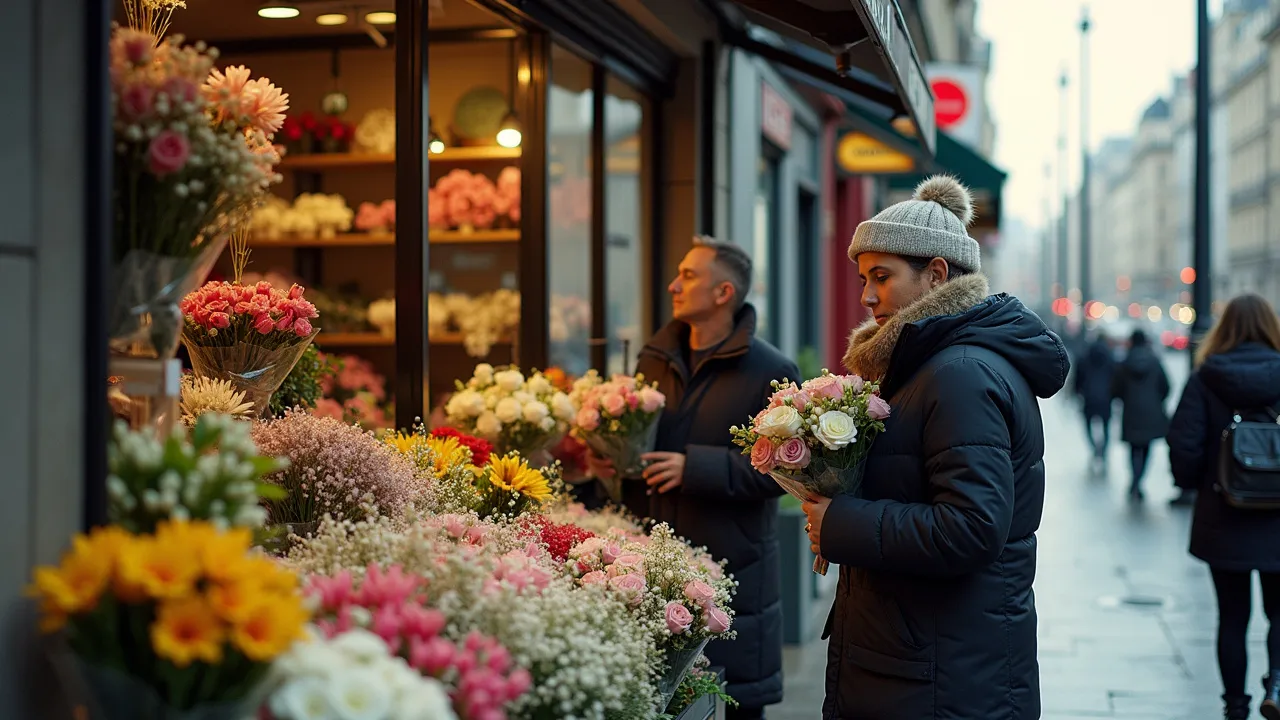
International Flower Day, observed annually on January 19th, celebrates the beauty, symbolism, and cultural significance of flowers worldwide. It encourages gift-giving, environmental appreciation, and floral artistry.
Historical Origins & Evolutionary Journey
International Flower Day was conceived in the early 1990s by a coalition of global florists, horticulturists, and cultural historians who recognized the universal appeal and economic importance of flowers. The movement culminated in the first official celebration on January 19th, 1995, spearheaded by the International Flower Society (IFS) based in the Netherlands. The date was chosen to coincide with the peak of the Northern Hemisphere's winter, when fresh blooms bring a welcome burst of color and hope during the darker months.
The Foundational Catalyst
The idea emerged from a 1992 global symposium on "Floral Heritage and Commerce" in Amsterdam. Delegates noted that while many countries had local flower festivals, no single day unified the planet in celebrating flowers. A resolution was passed to create a dedicated observance, emphasizing three core pillars:
- Cultural Appreciation: Recognizing flowers in art, literature, and tradition.
- Environmental Stewardship: Promoting sustainable cultivation and conservation of wild species.
- Economic Impact: Supporting the global floriculture industry, which employs millions.
The IFS lobbied UNESCO and national governments for recognition, and by 1995, over 40 countries had adopted January 19th as International Flower Day.
Legislative & Official Adoption
In the following years, several nations issued official proclamations. For example, in 1998, the United Nations' Food and Agriculture Organization (FAO) endorsed the day as a platform to highlight the role of flowers in sustainable agriculture. National postal services have released commemorative stamps, and botanical gardens offer free admission on this date.
Modern Global Legacy
Today, International Flower Day is observed in more than 80 countries, with customs ranging from grand parades in Holland to quiet personal gestures in Japan. The day has also adapted to digital trends—social media campaigns like #BloomDay encourage people to share photos of their favorite flowers. However, the core mission remains: to reconnect humanity with the natural beauty and symbolism of flowers.
How to Celebrate International Flower Day
International Flower Day offers countless ways to participate, whether as an individual, a family, a school, or a business. Below is a comprehensive guide to celebrating meaningfully and authentically.
For Individuals & Families
Give Flowers: The simplest tradition—present a bouquet to a loved one, a neighbor, or even a stranger. Consider choosing locally grown, seasonal blooms to reduce carbon footprint.
Create Floral Art: Arrange flowers in a vase, press petals into a journal, or paint a watercolor of your favorite flower. Share your creation online using the hashtag #FlowerDayArt.
Visit a Garden: Many botanical gardens offer free entry on January 19th. Spend time walking among the displays, learning about exotic species, and appreciating biodiversity.
Plant a Seed: Start an indoor herb garden or pot a flowering perennial. This act symbolizes growth and renewal, aligning with the day's spirit.
For Schools & Educational Institutions
Classroom Activities: Host a "Flower Facts" competition, dissect a lily to teach plant biology, or read poems about flowers from different cultures (e.g., Rumi, Emily Dickinson, Basho).
School-Wide Events: Organize a flower-themed costume day, a best-dressed-window contest, or a community planting project in the schoolyard.
Fundraising: Sell flower-shaped cookies or seed packets to raise money for environmental charities.
For Businesses & Organizations
Employee Gifts: Present each team member with a single stem or a small potted plant. This boosts morale and reinforces company culture.
Customer Promotions: Offer discounts on floral products, host a flower-arranging workshop, or donate a portion of sales to a conservation group.
Public Relations: Issue a press release about your company's sustainability efforts in the floral supply chain, highlighting partnerships with ethical farms.
International Traditions & Regional Variations
While January 19th is the primary date, some countries have unique observances tied to their own historical flower festivals. For instance:
Japan: The day coincides with the tail end of the New Year celebrations; families place ikebana (flower arrangements) in their homes to welcome good fortune.
Netherlands: The famous Keukenhof Gardens hold a special preview event, with tulip varieties showcased under glass.
Mexico: Communities decorate graves with marigolds in a blend of Flower Day and Dia de los Muertos traditions.
India: Many people offer garlands to deities in temples, and flower markets in cities like Mumbai and Delhi host vibrant fairs.
Global Economic Impact of the Floral Industry
The floriculture industry is a multi-billion-dollar global enterprise, with flowers being traded across continents every day. International Flower Day shines a spotlight on this economic powerhouse, which employs over 3 million people worldwide.
Key Statistics
- The global flower market was valued at approximately $40 billion in 2023 and is projected to grow at a CAGR of 5.8% through 2030.
- The Netherlands dominates exports, controlling over 50% of the global trade via the Aalsmeer Flower Auction, the largest in the world.
- Other major exporters include Colombia, Ecuador, Kenya, and Ethiopia, where flower farming provides critical income for rural communities.
Supply Chain & Sustainability Challenges
International Flower Day also advocates for ethical sourcing. Issues like water-intensive cultivation, pesticide use, and airfreight carbon emissions have prompted calls for sustainable practices. Many florists now offer Rainforest Alliance-certified or Fair Trade flowers, and consumers are increasingly demanding transparency. The day serves as a platform to educate buyers on choosing eco-friendly options, such as locally grown seasonal blooms or potted plants that reduce waste.
Cultural Symbolism & Artistic Expression
Across civilizations, flowers have been imbued with layered meanings. International Flower Day celebrates this rich language of blooms and their enduring role in art, literature, and ritual.
Floriography: The Victorian Language of Flowers
In the 19th century, people used flower arrangements to convey messages that social etiquette forbid speaking aloud. For example:
- Red rose: passionate love.
- Yellow rose: friendship or jealousy (context-dependent).
- Lily: purity and renewal.
- Sunflower: adoration and loyalty.
On International Flower Day, many people enjoy decoding bouquets or crafting their own secret messages using traditional meanings.
Flowers in Fine Arts
From Monet's water lilies to Georgia O'Keeffe's giant blossoms, flowers have inspired countless masterpieces. Museums often host special flower-themed exhibitions on January 19th. Street artists also participate, painting murals of native wildflowers in public spaces.
Environmental & Conservation Significance
Flowers are crucial to ecosystems: they provide food for pollinators, stabilize soil, and contribute to biodiversity. International Flower Day raises awareness about threats to wildflower populations and the importance of conservation.
Pollinator Decline & Flower Loss
Habitat destruction, climate change, and intensive agriculture have led to a decline in both wildflowers and their pollinators. The day encourages actions such as:
- Planting native wildflower seeds in gardens and public spaces.
- Reducing pesticide use to protect bees, butterflies, and other beneficial insects.
- Supporting national parks and reserves that protect rare flora.
Success Stories
Several conservation initiatives have gained momentum thanks to awareness generated on International Flower Day. For instance, the "Meadows Revival Project" in the United Kingdom has restored over 5,000 acres of wildflower meadows since its launch in 2008. Volunteers often schedule their first planting events for January 19th, turning the observance into a practical day of action.
Psychological & Health Benefits of Flowers
Numerous studies have demonstrated that flowers have a positive impact on mental and emotional well-being. International Flower Day highlights these benefits, encouraging people to incorporate blooms into their daily lives.
Key Research Findings
- A study by Harvard Medical School found that people who keep fresh flowers in their home report lower levels of stress and anxiety.
- Patients in hospital rooms with flowers have been shown to require less pain medication and have shorter recovery times.
- Workplace environments with plants and flowers see a 15% increase in productivity and creativity.
On International Flower Day, workplaces and healthcare facilities are encouraged to bring in arrangements to boost mood and connection. Therapists sometimes use flower arranging as a mindfulness exercise for clients.
Role in Religious & Spiritual Traditions
Flowers hold sacred significance in nearly every major religion. International Flower Day respects these diverse traditions while promoting interfaith understanding.
- Hinduism: Lotus symbolizes divine beauty and detachment; marigolds are used extensively in temple offerings.
- Buddhism: The lotus represents enlightenment; flowers are offered to Buddha as a reminder of impermanence.
- Christianity: Flowers adorn churches during Easter and Christmas; the lily is associated with the Virgin Mary.
- Islam: Gardens with flowers are seen as a reflection of Paradise; roses are particularly revered in Sufi poetry.
Many religious institutions host special services or meditation sessions on January 19th, incorporating floral decorations and rituals.
Historical Timeline
Global Floral Symposium in Amsterdam proposes the creation of an international day dedicated to flowers.
International Flower Society (IFS) established as the governing body for the observance.
First official International Flower Day celebrated on January 19th in 40 countries.
FAO officially endorses the day, linking it to sustainable agriculture goals.
United Nations Postal Administration issues a series of stamps featuring iconic flowers.
"Meadows Revival Project" launches in the UK, using International Flower Day as a planting kickoff.
Social media campaign #BloomDay trends globally, with over 10 million posts.
Virtual celebrations dominate due to the COVID-19 pandemic; online flower workshops gain popularity.
IFS announces partnership with UNESCO to promote floral heritage sites worldwide.