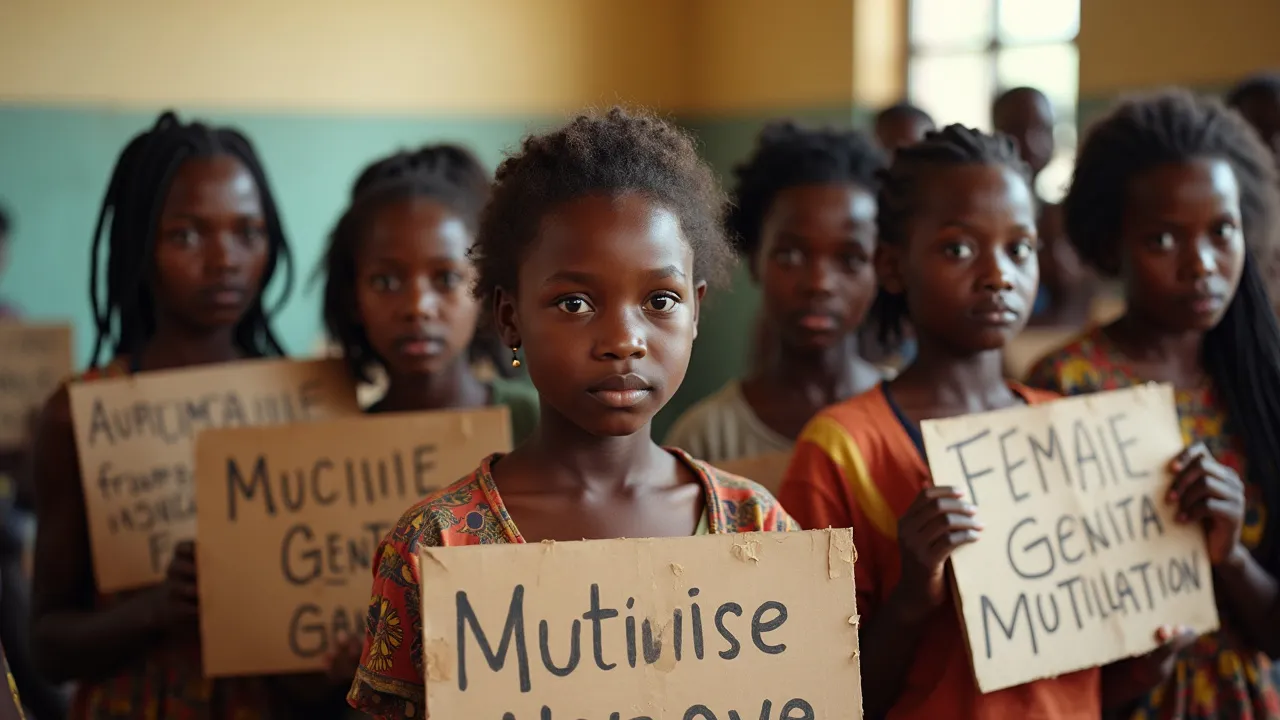
Observed on February 6th, the International Day of Repudiation of Female Genital Mutilation is a global effort to eradicate FGM through awareness, education, and advocacy, promoting the health and rights of women and girls worldwide.
Historical Origins & Evolutionary Journey
The International Day of Repudiation of Female Genital Mutilation, also known as the International Day of Zero Tolerance for Female Genital Mutilation, is observed annually on February 6th. This day was established by the United Nations General Assembly in 2012 as part of a global strategy to accelerate the elimination of female genital mutilation (FGM). The date was chosen to commemorate the 2003 launch of the Zero Tolerance for FGM campaign by the World Health Organization (WHO), which marked the beginning of a coordinated international response to this harmful practice.
The Foundational Catalyst
FGM comprises all procedures that involve partial or total removal of the external female genitalia or other injury to the female genital organs for non-medical reasons. The practice has ancient roots, predating Islam and Christianity, and is concentrated in parts of Africa, the Middle East, and Asia. The global movement against FGM gained momentum in the late 20th century, driven by human rights activists, women’s health advocates, and international organizations.
The Legislative/Official Adoption
In December 2012, the UN General Assembly adopted a resolution (A/RES/67/146) to designate February 6th as the International Day of Zero Tolerance for Female Genital Mutilation. The resolution calls upon states to implement national legislation prohibiting FGM, to develop comprehensive preventive measures, and to provide support for victims. This formal recognition elevated the issue onto the global agenda, prompting governments, NGOs, and communities to intensify efforts to end the practice.
Modern Global Legacy
Since its inception, the day has been marked by awareness campaigns, educational workshops, advocacy events, and community dialogues. Successes include declining prevalence in several countries, the adoption of legal bans in many nations, and shifting social norms. However, challenges remain, including medicalization of FGM and cross-border practices. The day continues to serve as a rallying point for activists, survivors, and allies to repudiate FGM and champion the rights of women and girls.
How to Celebrate International Day of Repudiation of Female Genital Mutilation
Celebrating this day involves taking action to raise awareness, educate communities, and advocate for change. Below are specific strategies for individuals, schools, and organizations to mark February 6th meaningfully.
For Individuals
- Educate yourself and others: Read about FGM from reliable sources like WHO, UNICEF, or UNFPA. Share information on social media using hashtags like #EndFGM and #ZeroTolerance.
- Support survivor-led initiatives: Donate to or volunteer with organizations that provide medical, psychological, and legal support to survivors.
- Start conversations: Talk to friends and family about the harms of FGM and the importance of abandoning the practice.
For Schools and Educational Institutions
- Integrate FGM awareness into curricula: Host a lesson or assembly discussing the health consequences, human rights violations, and cultural dynamics of FGM.
- Organize a film screening: Show documentaries like "The Cruel Cut" or "Moolaadé" followed by a guided discussion.
- Invite guest speakers: Bring in activists or health professionals to share their experiences and expertise.
For Organizations and Businesses
- Launch awareness campaigns: Use internal communications, newsletters, and public relations to highlight the issue and your commitment to gender equality.
- Fundraise for NGOs: Host a fundraiser or match employee donations to organizations working to end FGM.
- Advocate for policy change: Write to elected officials urging them to support legislation that criminalizes FGM and funds prevention programs.
In different regions, celebrations may adapt to local contexts. In Africa, community-led events often include traditional music, dance, and testimonials from survivors. In Western countries, marches, panel discussions, and art exhibitions are common. Online, webinars and social media campaigns engage global audiences.
Global Impact and Prevalence
Despite decades of advocacy, FGM remains a widespread violation of human rights. According to UNICEF, at least 200 million girls and women alive today have undergone FGM in 30 countries across Africa, the Middle East, and Asia. The practice is also present among diaspora communities in Europe, North America, and Australia.
Health Consequences
FGM has no health benefits and causes severe physical and psychological harm. Immediate complications include severe pain, hemorrhage, infection, and even death. Long-term effects include chronic pain, urinary and menstrual problems, keloids, sexual dysfunction, and increased risk during childbirth. Psychological trauma often leads to depression, anxiety, and post-traumatic stress disorder.
Economic and Social Costs
FGM perpetuates gender inequality and hinders development. Girls who undergo FGM often have reduced educational opportunities and are more likely to marry early. The economic burden includes increased healthcare costs and lost productivity. Ending FGM is essential for achieving Sustainable Development Goals 3 (good health and well-being), 4 (quality education), 5 (gender equality), and 10 (reduced inequalities).
Progress and Challenges
Positive trends are emerging. The prevalence of FGM among girls aged 15-19 has declined in many countries, such as Kenya, Uganda, and Ethiopia. Legislation banning FGM has been passed in at least 28 African countries and many Western nations. Community-led abandonment programs, like those in Senegal using the "Tostan" model, have shown success. However, challenges persist: medicalization of FGM (performed by healthcare providers) is increasing in some regions, and cross-border practices undermine national bans. The COVID-19 pandemic also disrupted prevention efforts.
Legal Frameworks and International Commitments
International and national legal instruments form the backbone of efforts to eliminate FGM. The United Nations has consistently condemned FGM as a violation of human rights, particularly the rights to health, life, and bodily integrity.
International Instruments
- Convention on the Elimination of All Forms of Discrimination against Women (CEDAW): Recommends that states parties take measures to eradicate FGM.
- Convention on the Rights of the Child (CRC): Protects children from harmful traditional practices.
- Maputo Protocol (Protocol to the African Charter on Human and Peoples' Rights on the Rights of Women in Africa): Explicitly bans FGM and requires states to take legislative and other measures.
National Legislation
As of 2023, over 70 countries have laws prohibiting FGM. Many African nations, including Burkina Faso, Kenya, Senegal, and Tanzania, have criminalized the practice. In Europe, countries like the UK, France, and Sweden have specific laws. The US passed the Federal Prohibition of Female Genital Mutilation Act in 1996, though enforcement remains inconsistent. However, legal bans alone are insufficient; they must be complemented by awareness and social change.
Community-Led Approaches and Success Stories
Top-down legal measures are most effective when combined with grassroots community engagement. Programs that respect cultural sensitivities while promoting human rights have achieved lasting abandonment of FGM.
The Tostan Model
The Senegalese NGO Tostan pioneered a holistic community empowerment program that includes human rights education, health awareness, and literacy. Communities that complete the program often make a public declaration to abandon FGM and child marriage. As of 2022, over 9,000 communities in Senegal, Guinea, Burkina Faso, and other countries have made such declarations, leading to a dramatic reduction in FGM prevalence.
Role of Religious Leaders
Engaging religious authorities is crucial. Many Islamic and Christian leaders have issued fatwas and statements clarifying that FGM is not required by religion. In Somalia, the Sheikhs of Al-Azhar and other prominent clerics have publicly condemned the practice.
Survivor Advocacy
Survivors play a vital role as change agents. Organizations like the Girl Generation and Sahiyo amplify survivor voices, providing platforms for storytelling and activism. Personal testimonies humanize the issue and inspire others to take action.
Role of Media and Technology
Media and technology are powerful tools for awareness, education, and advocacy. On February 6th, campaigns leverage social media, television, radio, and mobile platforms to reach wide audiences.
Social Media Campaigns
Hashtags like #EndFGM, #ZeroTolerance, and #HerVoiceMatters trend globally. Influencers, celebrities, and public figures share infographics, survivor stories, and calls to action. Platforms like Facebook, Twitter, and Instagram host live events and Q&A sessions.
Mobile Health Initiatives
In countries like Kenya and Ethiopia, mobile apps provide information about the harms of FGM and connect users with support services. SMS campaigns disseminate prevention messages in local languages.
Documentaries and Films
Films such as "The Cruel Cut" (featuring survivor Leyla Hussein) and "Moolaadé" (by Ousmane Sembène) have raised global consciousness. On the observance day, screenings and discussions are organized in cinemas, schools, and community centers.
Future Directions and Call to Action
While significant progress has been made, the goal of eliminating FGM by 2030 (as per SDG Target 5.3) requires accelerated action. The International Day of Repudiation of Female Genital Mutilation is a moment to renew commitments and mobilize resources.
Key Priorities
- Strengthening legal frameworks: Ensure all countries have and enforce laws banning FGM, including extraterritorial legislation to cover diaspora.
- Investing in prevention: Fund community-based programs, education, and health services.
- Supporting survivors: Provide comprehensive medical and psychological care, and ensure access to justice.
- Engaging men and boys: Promote their role as allies in challenging patriarchal norms.
Everyone can contribute: individuals can learn and speak out, organizations can integrate FGM into their work, and governments can prioritize this issue. Together, we can repudiate FGM and uphold the dignity and rights of women and girls everywhere.
Historical Timeline
Global activism against FGM gains momentum, spearheaded by women's rights organizations and health advocates.
World Health Organization launches the Zero Tolerance for FGM campaign, setting the stage for an international day.
United Nations General Assembly designates February 6th as the International Day of Zero Tolerance for Female Genital Mutilation.
First official observance of the day worldwide, with events in more than 30 countries.
UN Sustainable Development Goals include Target 5.3 to eliminate FGM by 2030.
The African Union launches the Saleema Initiative to end FGM in a generation.
COVID-19 pandemic disrupts FGM prevention programs, leading to a projected increase in cases.
UNFPA and UNICEF report that over 9000 communities have declared abandonment of FGM through the Joint Programme.
Global prevalence among girls aged 15-19 declines in several high-prevalence countries, but progress is uneven.