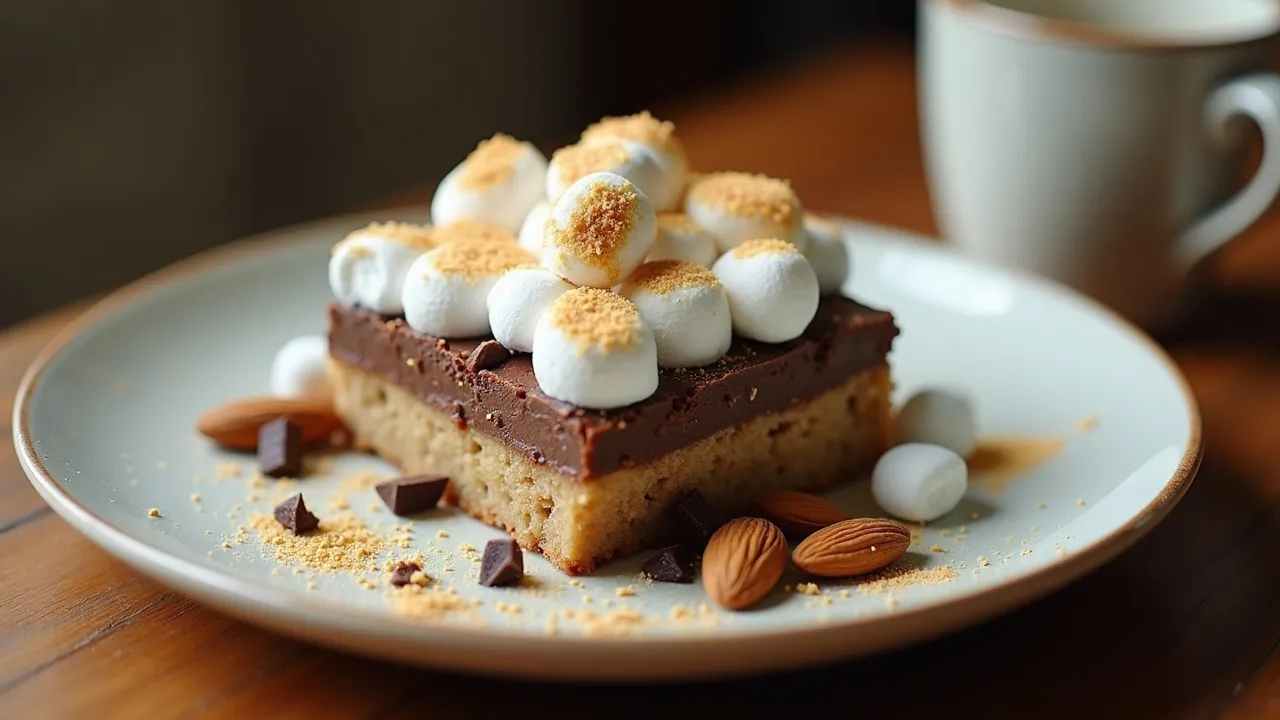
Heavenly Hash Day, observed on February 2nd, celebrates the classic confection made from chocolate, marshmallows, and nuts. This sweet treat has delighted generations with its simple yet indulgent combination of textures and flavors.
The Historical Origins & Evolutionary Journey
Heavenly Hash is a beloved American confection that typically combines chocolate, marshmallows, and nuts (often almonds or walnuts), sometimes with added coconut or dried fruit. The exact origins of the name 'Heavenly Hash' are murky, but the dessert likely emerged in the late 19th or early 20th century, a period when home cooks and confectioners began experimenting with new combinations of mass-produced ingredients like marshmallows and chocolate.
The Foundational Catalyst
The invention of marshmallows in their modern form (extruded starch-molded) in the late 1800s made them widely available. Chocolate also became more affordable thanks to the industrial revolution. These ingredients, combined with nuts, created a no-bake treat that could be easily assembled. The first known printed recipe for 'Heavenly Hash' appears in a 1921 cookbook by the Home Extension Association, calling for melted chocolate, marshmallows, and walnuts.
The Commercial Boom
By the 1950s, candy companies like Brach's and Kraft began producing packaged versions of Heavenly Hash, often as a chocolate bar with marshmallow and nut pieces. These bars became popular as holiday treats. The day itself, February 2nd, seems to have been chosen to brighten the winter season, falling just after Groundhog Day and before Valentine's Day.
Modern Global Legacy
Today, Heavenly Hash is both a homemade dessert and a commercial candy. It has spawned variations like white chocolate versions, additions of caramel or peanut butter, and even ice cream flavors. Food bloggers and home cooks continue to share recipes, keeping the tradition alive. The observance day encourages people to indulge in this nostalgic sweet.
How to Celebrate Heavenly Hash Day
Heavenly Hash Day is the perfect excuse to enjoy this classic confection. Here are some expert-recommended ways to celebrate, whether you are an individual, a family, or an organization.
For Individuals and Families
- Make Homemade Heavenly Hash: Melt semi-sweet chocolate, fold in marshmallows and toasted almonds, spread on a pan, and chill. Cut into squares.
- Create Variations: Try white chocolate with dried cranberries, or add a layer of caramel. Experiment with different nuts like pecans or cashews.
- Host a Tasting Party: Compare store-bought versions from different brands. Vote on the best.
- Bake Heavenly Hash Brownies: Incorporate the ingredients into a brownie batter for a fudgy twist.
For Schools and Community Groups
- Organize a 'Heavenly Hash Bake-Off' where participants bring their best version.
- Teach kids about the history of confectionery and how to make simple no-bake treats.
- Share recipes on social media with the hashtag #HeavenlyHashDay.
For Businesses and Brands
Candy stores and bakeries can offer special deals on Heavenly Hash products. Create a 'Build-Your-Own Heavenly Hash' station. Collaborate with food influencers to promote the day.
Global Variations and Festive Traditions
While Heavenly Hash is primarily an American creation, similar confections exist worldwide. In the United Kingdom, 'Rocky Road' is a very similar treat with chocolate, marshmallows, and nuts, but often includes biscuit pieces. Australia has its own version of Rocky Road with pink marshmallows and coconut. In some parts of Europe, chocolate bars with marshmallow and nuts are called 'Nougat Bars' or 'Marshmallow Trifles'. For Heavenly Hash Day, Americans typically enjoy the classic version, while others adapt their local sweets. The day encourages cross-cultural sharing of recipes.
Nutritional Profile and Dietary Considerations
Heavenly Hash is undeniably a high-calorie, high-sugar treat. A typical serving (1 ounce) can contain around 150 calories, 9g fat, 18g sugar, and 2g protein. It offers minimal vitamins or minerals. For those with dietary restrictions:
- Dairy-Free: Use dark chocolate and vegan marshmallows.
- Nut-Free: Substitute seeds like pumpkin seeds or omit nuts entirely.
- Lower Sugar: Use sugar-free chocolate and marshmallows sweetened with erythritol.
Moderation is key. Heavenly Hash can be part of a balanced diet when enjoyed occasionally.
Heavenly Hash in Popular Culture
The term 'Heavenly Hash' appears in various contexts, from song titles to movie dialogue. It is often used to describe something blissfully messy or sweet. In the 1940s, a popular radio show referenced Heavenly Hash as a metaphor for a delightful mix of events. The candy bar version has been featured in nostalgic advertisements. Today, food bloggers frequently post 'Heavenly Hash' recipes around February 2nd, helping to keep the tradition alive in pop culture.
The Art of Making Perfect Heavenly Hash
Creating the perfect Heavenly Hash at home requires attention to detail. Use high-quality chocolate (70% cocoa for dark, or good quality milk chocolate). Toast the nuts lightly to enhance flavor. Use fresh, soft marshmallows. The key is to not overmix the chocolate once the marshmallows are added, to avoid them melting. Chill thoroughly before cutting. For a professional touch, drizzle with melted white chocolate. Store in an airtight container in the refrigerator for up to two weeks.
Historical Timeline
First known recipe for 'Heavenly Hash' appears in a cookbook by the Home Extension Association, featuring chocolate, marshmallows, and walnuts.
Commercially produced Heavenly Hash candy bars begin appearing in the United States, manufactured by companies like Brach's and Kraft.
Heavenly Hash becomes a popular homemade dessert for potlucks and family gatherings, with recipes spreading through community cookbooks.
The rise of the internet leads to a resurgence of interest in vintage recipes, including Heavenly Hash, shared on websites like Allrecipes.
Heavenly Hash Day gains recognition as a food holiday on February 2nd, with social media campaigns and restaurant promotions.