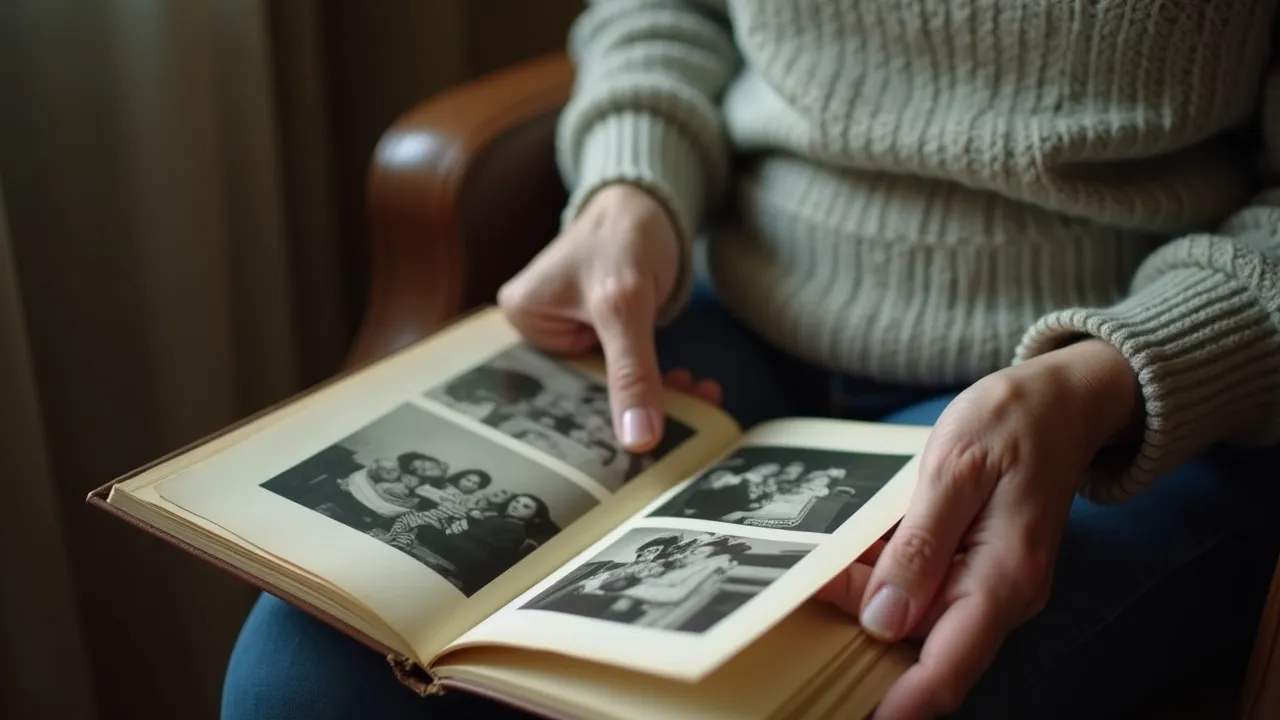
Good Memory Day on January 19th celebrates the power of memory, encouraging people to cherish past experiences and engage in memory-boosting activities. It's a day to reflect on cherished moments and strengthen cognitive recall.
History of Good Memory Day
Good Memory Day, observed annually on January 19th, is a relatively modern observance that encourages individuals to celebrate and improve their memory. While the exact origins remain unclear, the day likely emerged in the early 2000s as part of a broader interest in cognitive health and mindfulness. Unlike ancient festivals tied to remembrance, this day focuses on the mental faculty itself.
The Foundational Catalyst
The rise of Good Memory Day parallels growing scientific understanding of memory. In 1885, Hermann Ebbinghaus published pioneering work on memory and forgetting curves. Later, in 1956, George Miller's paper "The Magical Number Seven, Plus or Minus Two" highlighted the limits of short-term memory. These studies spurred public interest in memory techniques and brain fitness.
Modern Global Legacy
By the 2000s, brain-training apps, memory competitions, and neuroplasticity research made memory a trending topic. Good Memory Day likely coalesced from online communities and health advocates. Today, it's promoted by memory enthusiasts, psychologists, and organizations like the World Memory Sports Council. The day emphasizes both nostalgia and proactive brain health.
How to Celebrate Good Memory Day
Celebrating Good Memory Day can be both fun and beneficial. Whether you prefer solitary reflection or group activities, here are actionable ways to honor the day.
Individual Practices
- Memory Journaling: Write down three cherished memories from different life stages.
- Brain Training: Spend 15 minutes on a memory app or puzzle.
- Photo Album Review: Flip through physical photos to trigger recollection.
School and Community Events
- Organize a "Memory Share Circle" where people tell stories from their past.
- Hold a memory competition with tasks like memorizing a poem or a list of words.
- Invite a psychologist to give a talk on memory improvement techniques.
Corporate Celebrations
Companies can host workshops on memory techniques for employees, such as the method of loci. Encourage team-building through storytelling sessions about company milestones.
The Science of Memory
Memory is not a single process but a collection of systems. Understanding these can enhance how we celebrate and improve memory.
Types of Memory
- Short-term memory: Holds information for seconds to minutes.
- Long-term memory: Includes explicit (episodic and semantic) and implicit (procedural) memory.
How Memory Works
Memory encoding, storage, and retrieval are influenced by attention, emotion, and repetition. The hippocampus plays a key role in forming new memories. Sleep consolidates memories. Stress and aging can impair recall but neuroplasticity allows improvement.
Tips to Boost Memory
- Stay physically active to increase blood flow to the brain.
- Eat a diet rich in antioxidants, omega-3s, and B vitamins.
- Practice mindfulness meditation to reduce stress and improve focus.
Memory in the Digital Age
Technology has transformed how we record and recall information. Good Memory Day invites reflection on these changes.
The Google Effect
Research shows that people are less likely to remember information they can easily find online, known as digital amnesia. While convenient, reliance on external memory may weaken internal recall.
Digital Reminiscence
Social media platforms like Facebook create automated memories, prompting users to look back on past posts. On Good Memory Day, consider curating a private digital album of important memories without algorithms.
Balancing Tech and Memory
Use apps like Anki for spaced repetition learning.
Keep a handwritten journal to engage motor skills and memory.
Limit multitasking to improve encoding of new information.
Cultural Perspectives on Memory
Different cultures honor memory in unique ways. Good Memory Day can incorporate global traditions.
Oral Traditions
In many Indigenous cultures, elders pass down history through storytelling. This practice reinforces collective memory and identity.
Commemorative Festivals
- Day of the Dead (Mexico) remembers ancestors with altars and offerings.
- Obon (Japan) honors spirits of the dead with dances and lanterns.
- Remembrance Day (Commonwealth) recalls war sacrifices.
These examples show memory as both personal and communal. Good Memory Day encourages us to appreciate these varied approaches.
Memory and Aging: Keeping the Mind Sharp
As we age, memory changes can be concerning. Good Memory Day is an ideal time to adopt habits that support cognitive health.
Age-Related Memory Decline
Normal aging often brings slower recall and occasional forgetfulness, but severe impairment is not inevitable. Lifestyle factors play a huge role.
Proven Strategies
- Engage in lifelong learning: take a new class or learn a language.
- Stay socially active: regular interaction stimulates brain function.
- Play strategy games: chess, sudoku, or bridge challenge the mind.
Consult a healthcare professional if memory changes interfere with daily life. On Good Memory Day, commit to one new brain-healthy activity.
Historical Timeline
German psychologist Hermann Ebbinghaus publishes 'Memory: A Contribution to Experimental Psychology', introducing the forgetting curve.
George Miller publishes 'The Magical Number Seven, Plus or Minus Two', describing the capacity of short-term memory.
Atkinson and Shiffrin propose the multi-store model of memory, distinguishing sensory, short-term, and long-term stores.
Endel Tulving introduces the concepts of episodic and semantic memory, advancing memory research.
Brain imaging techniques like fMRI allow scientists to observe memory processes in real time.
Good Memory Day emerges as an informal observance, promoted by online communities and memory enthusiasts.
The World Memory Sports Council is founded, organizing memory competitions globally.
Brain-training apps like Lumosity and Peak gain popularity, sparking debates about their efficacy.
The COVID-19 pandemic leads to increased focus on mental health and cognitive resilience, boosting interest in Good Memory Day.