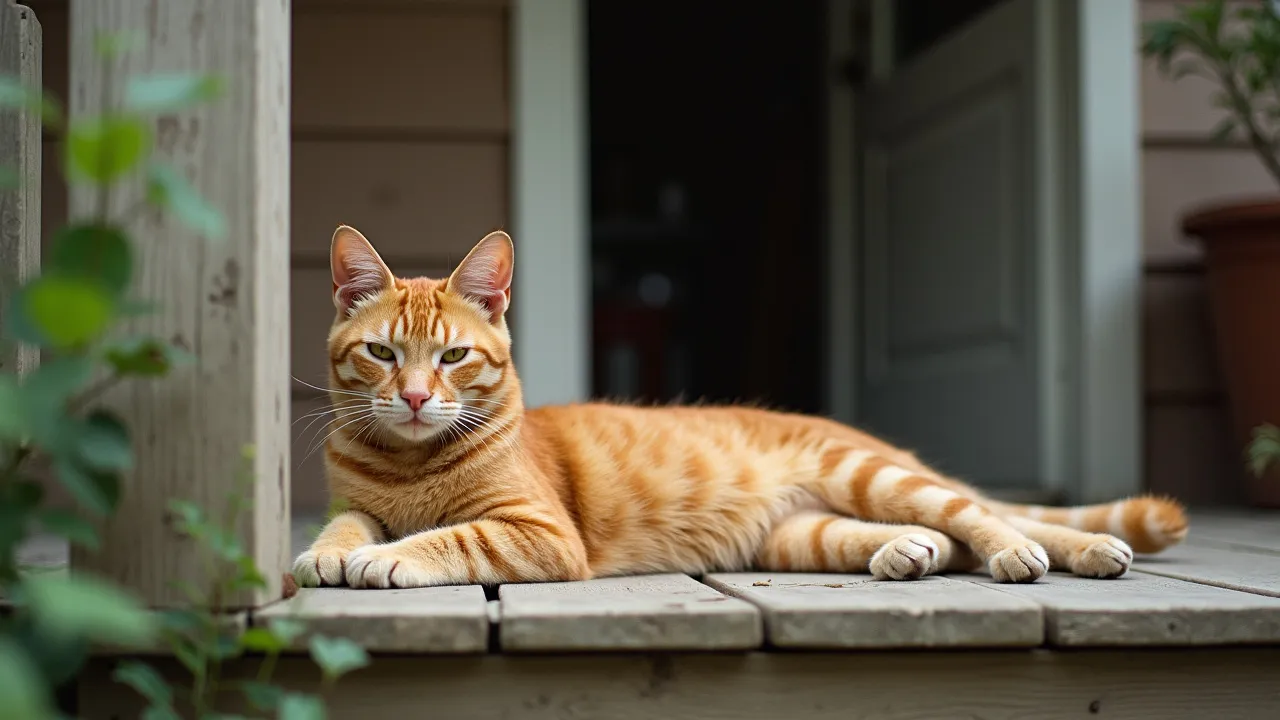
Celebrate Ginger Cat Appreciation Day on September 1st. Discover the history, genetics, and cultural impact of orange tabbies, and find ways to honor these fiery felines.
Introduction to Ginger Cat Appreciation Day
Ginger Cat Appreciation Day, observed annually on September 1st, is a global celebration dedicated to the charming and distinctive orange tabby cat. These cats, known for their warm coats ranging from pale yellow to deep reddish-orange, have captured human hearts for centuries. The day aims to raise awareness about their unique genetics, promote adoption, and encourage responsible pet ownership. Whether you're a lifelong fan or new to the world of ginger cats, this day offers an opportunity to learn, celebrate, and give back.
The Historical Origins & Evolutionary Journey
The Foundational Catalyst
The exact origins of Ginger Cat Appreciation Day are rooted in online cat communities and rescue organizations. The day emerged in the early 2010s when cat lovers on social media platforms began sharing photos and stories of their orange cats, rapidly gaining traction. The catalyst was a collective desire to spotlight the often-overlooked charm of ginger cats, which are frequently overshadowed by more exotic breeds.
The Legislative/Official Adoption
While not officially recognized by any government, the day has been unofficially adopted by major cat welfare groups such as the Humane Society and the International Cat Association (TICA). Shelters and rescues worldwide now organize special adoption events on September 1st, offering reduced fees for ginger cats to find forever homes. The day has also been endorsed by pet food brands and veterinary associations, providing educational resources about the care and health of orange tabbies.
Modern Global Legacy
Today, Ginger Cat Appreciation Day is celebrated across continents, with events ranging from online photo contests to in-person cat fairs. Social media hashtags like #GingerCatDay and #OrangeTabbyLove generate millions of posts annually. The day has cemented its place in the cultural calendar, often cited alongside other pet appreciation days. Its legacy includes increased awareness of the genetic uniqueness of ginger cats and a boost in adoptions for cats with this coat color.
The Genetics Behind the Ginger Coat
The ginger coat is the result of a specific gene variant known as the O gene (Orange), located on the X chromosome. This gene produces a pigment called pheomelanin, which gives the fur its reddish hue. A fascinating quirk: around 80% of ginger cats are male because males only need one copy of the orange gene (XOY) to express the coat, while females require two copies (XOXO). This makes female ginger cats relatively rare, only about 20% of the ginger population.
Shades and Patterns
Ginger coats vary from pale cream to deep burnt orange, influenced by modifiers and tabby patterns. Most ginger cats are tabbies, but the pattern can be mackerel, classic, ticked, or spotted. Interestingly, the orange gene can also cause freckles (lentigo) on the nose, lips, and eyelids in some ginger cats, especially those with lighter coats.
- Mackerel Tabby: Stripes resemble a fish skeleton; the most common pattern in ginger cats.
- Classic Tabby: Swirled patterns with a distinctive bullseye on the sides.
- Ticked Tabby: Each hair has alternating bands of color, giving a shimmering effect, typical of Abyssinian cats.
- Spotted Tabby: Broken stripes appear as spots.
Cultural Significance of Ginger Cats
Ginger cats have held a special place in human culture for centuries. In ancient Egypt, cats with golden coats were revered and associated with the sun god Ra. In folklore, ginger cats were often considered lucky or possessed of magical qualities. Modern culture continues this fascination through iconic fictional characters like Garfield, the lasagna-loving orange tabby, and Heathcliff, the comic strip troublemaker. In film, the Cheshire Cat from Alice in Wonderland (often depicted with orange stripes) and the cat from The Cat in the Hat (though not strictly ginger) echo this love. Online, ginger cats like Grumpy Cat (though a torbie, mostly ginger) and Maru (a Scottish Fold, not ginger) but many ginger cats have achieved internet fame, such as Lil Bub (a unique ginger cat with extra toes) and Nala (a tabby mix).
“Ginger cats are not just pets; they are cultural icons that weave warmth and mischief into our lives.”
How to Celebrate Ginger Cat Appreciation Day
Individual Celebrations
- Spoil Your Ginger Cat: Treat your orange tabby to new toys, a special meal (safe for cats), or a cozy new bed. Consider a catnip-filled toy.
- Take a Photo Session: Capture your cat's best angles in good lighting. Share on social media using #GingerCatDay to join the global celebration.
- Learn About Genetics: Read up on the science of the orange coat. You might discover if your cat carries the freckle trait.
- Donate to a Rescue: Support a local shelter or a breed-specific rescue that helps ginger cats. Every dollar counts.
School and Organizational Events
- Adoption Drives: Partner with shelters to host an adoption event featuring orange cats. Offer reduced fees or ‘name your own price’ for senior cats.
- Educational Workshops: Invite a veterinarian or cat behaviorist to speak about the care and health of ginger cats. Topics can include diet, common health issues, and grooming.
- Art Contests: Encourage children to draw or paint ginger cats. Display the artwork in the school or organization’s common area.
- Social Media Campaign: Create a hashtag challenge, asking people to post a photo with their ginger cat and a fun fact. The best entries win prizes from a pet store.
Global Traditions
In the UK, some cat cafes offer free ginger cat-themed treats on September 1st. In Japan, a popular holiday treat is a small ginger cat-shaped cookie. In the US, several cities hold ‘Orange Cat Parades’ where owners dress their cats in orange bandanas and walk them in strollers or on harnesses (if the cat tolerates it). In Australia, shelters run a ‘Golden Paw Adoption Week’ coinciding with the day.
Health and Care Tips for Ginger Cats
Ginger cats share the same health concerns as all domestic cats, but their coat color can bring unique considerations. Here are key care tips:
Nutrition
- High-Quality Protein: Provide a diet rich in animal protein to support muscle health and coat shine. Orange cats can be prone to obesity, so measure portions.
- Hydration: Ensure fresh water is always available. Wet food can help maintain urinary tract health.
Grooming
- Regular Brushing: Ginger cats often have dense coats. Brush at least twice a week to reduce shedding and hairballs.
- Sun Protection: Light-colored noses and ears are prone to sunburn. Limit sun exposure during peak hours and consider pet-safe sunscreen for very light-skinned areas.
Common Health Issues
Like all cats, ginger cats can suffer from dental disease, diabetes, and hyperthyroidism. Regular vet checkups are essential. Interestingly, the gene for orange coat has been linked to a slightly higher risk of obesity, so watch your cat's weight.
Freckles (lentigo) are benign in most cases, but any changes in size or color should be checked by a vet to rule out skin cancer. Keep an eye on sun exposure.
The Role of Ginger Cats in Pop Culture
From comic strips to blockbuster films, ginger cats have left an indelible mark on pop culture. Garfield, created by Jim Davis, is arguably the most famous orange cat, known for his laziness and love of lasagna. He debuted in 1978 and remains a beloved character worldwide. Heathcliff, another comic strip orange cat, is known for his mischievous antics. In movies, the Cheshire Cat from Disney’s ‘Alice in Wonderland’ (animated version) is a classic psychedelic orange cat. More recently, the ginger cat named Buttercup from the ‘Puss in Boots’ franchise (though Puss himself is a calico) has gained fame on social media. Internet memes have propelled ginger cats to stardom: Lil Bub (dwarf cat with extra toes), Maru (though not ginger, but orange-dominated), and countless anonymous orange cats have gone viral for their adorable “orangeness.”
The appeal of ginger cats in pop culture likely stems from their perceived friendly and outgoing personality. While scientific studies are limited, many owners report that ginger cats are more social and affectionate, possibly due to the higher proportion of males (which are often more people-oriented). This stereotype has made them popular subjects for animal actors and cartoon characters.
Historical Timeline
Jim Davis launches the comic strip 'Garfield', featuring an orange tabby cat. Garfield becomes one of the most iconic ginger cats in history.
Early internet forums and cat websites begin sharing photos of ginger cats, building a community of orange tabby enthusiasts.
First unofficial Ginger Cat Appreciation Day is celebrated online, with users posting using hashtags #GingerCatDay and #OrangeTabbyDay.
Several animal shelters in the US and UK adopt the day as an adoption event for orange cats, often offering reduced fees.
The International Cat Association (TICA) officially recognizes Ginger Cat Appreciation Day on its calendar of annual cat–related events.
Social media platforms see massive surge in posts; Instagram features the day with a special hashtag sticker for Stories.
Ginger Cat Appreciation Day goes global with events in Europe, Australia, and Japan. Major pet food brands run promotions.
During the COVID-19 pandemic, virtual celebrations gain popularity. Online cat shows and photo contests are held worldwide.
Ginger Cat Appreciation Day is celebrated in over 50 countries, with a record number of adoptions reported on September 1st.