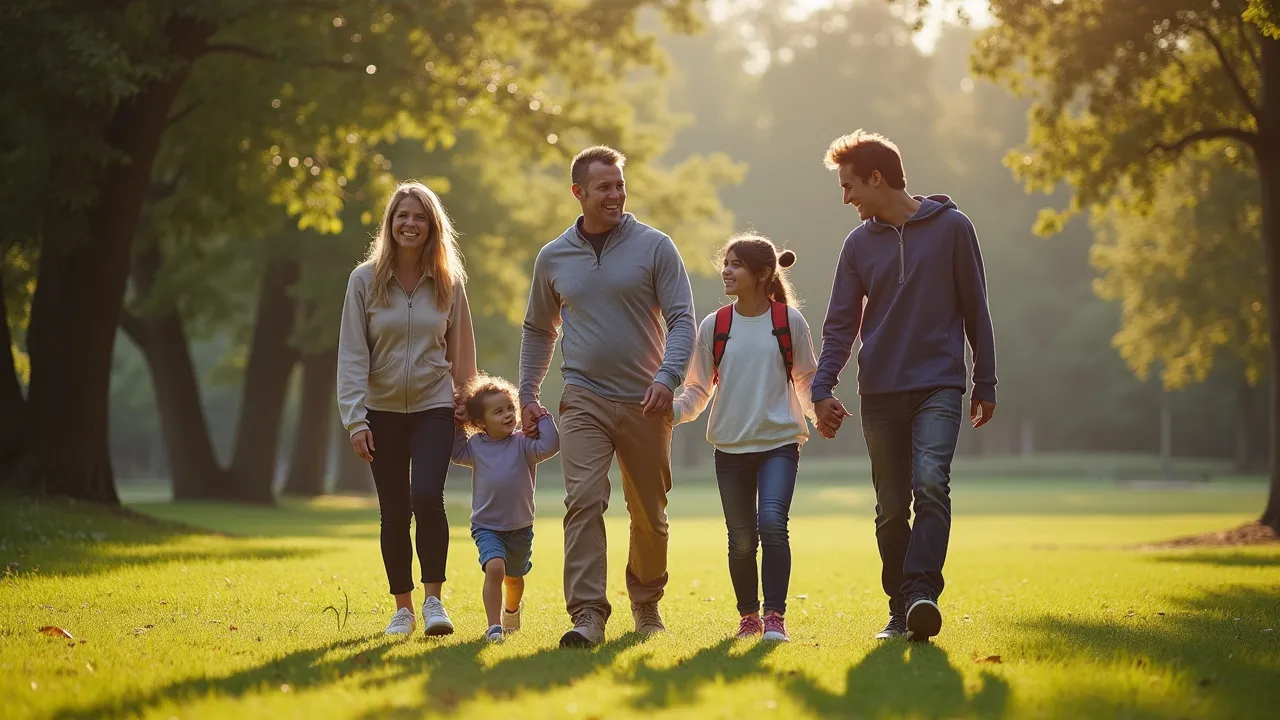
Family Health and Fitness Day USA, observed on the last Saturday in September, encourages families to engage in physical activities together to promote lifelong wellness and healthy habits.
The Historical Origins & Evolutionary Journey
Family Health and Fitness Day USA was established in 1997 by the Health Information Resource Center (HIRC), a nonprofit organization dedicated to promoting health and wellness. The observance was created to address the growing concern over sedentary lifestyles and the decline of family-based physical activities in the United States. By designating the last Saturday in September as a day for families to be active together, HIRC aimed to foster a culture of regular exercise and healthy routines that could be passed down through generations.
The Foundational Catalyst
In the mid-1990s, public health data revealed alarming trends: childhood obesity rates were climbing, and adults were spending less time engaging in physical recreation. The Centers for Disease Control and Prevention (CDC) reported that less than half of U.S. adults met recommended physical activity guidelines. Recognizing that family units are powerful influencers of behavior, HIRC launched Family Health and Fitness Day USA to provide a simple, unifying call to action. The core idea was to make physical activity a fun, shared experience rather than an individual chore.
The Legislative/Official Adoption
While Family Health and Fitness Day USA is not a federally mandated holiday, it gained widespread recognition through partnerships with health organizations, schools, and community groups. In 2005, the U.S. Department of Health and Human Services endorsed the day as part of its Healthy People 2010 objectives, encouraging local governments to promote family fitness events. Many states issued proclamations supporting the observance, and by 2010, over 1,000 communities across the country were hosting registered events.
Modern Global Legacy
Today, Family Health and Fitness Day USA has inspired similar initiatives worldwide, including Canada's Family Fitness Day and Australia's Walk to School Day. The observance continues to evolve with technology, incorporating virtual challenges, fitness apps, and social media campaigns to engage families. Despite its U.S. origin, the principles of family wellness have universal appeal, making the day a model for global health promotion.
How to Celebrate Family Health and Fitness Day USA
Celebrating Family Health and Fitness Day USA is about making movement a joyful family affair. Whether you're a parent, grandparent, educator, or community leader, there are countless ways to participate. Below are actionable strategies for individuals, schools, and organizations.
For Individuals and Families
- Plan a Family Walk or Hike: Choose a local park or nature trail. Aim for at least 30 minutes of continuous walking. Use a step-tracking app to make it a game.
- Host a Backyard Fitness Circuit: Set up stations with jumping jacks, push-ups, and squats. Rotate through as a team. Time yourselves and try to beat your record.
- Try a New Activity Together: Sign up for a family yoga class, go for a bike ride, or play a game of tag. Variety keeps everyone engaged.
- Unplug and Play: Turn off screens for one hour and engage in active play like jump rope, frisbee, or dancing to music.
For Schools and Youth Organizations
- Host a Family Fitness Night: Organize an evening event with obstacle courses, relay races, and healthy snacks. Invite parents to participate alongside students.
- Create a Fitness Challenge: Encourage classes to track physical activity for a week. Reward the winning class with extra recess time.
- Incorporate Health Education: Teach students about the benefits of family exercise and send home activity calendars for families to complete together.
For Employers and Community Groups
- Sponsor a Community Walk/Run: Organize a 5K fun run or a walkathon. Donate proceeds to a local health charity.
- Offer Free Fitness Classes: Partner with local gyms to provide free family-friendly sessions like Zumba or martial arts.
- Promote via Social Media: Use hashtags like #FamilyFitnessDay to share photos and tips. Encourage families to post their activities.
Remember, the goal is not perfection but participation. Any activity that gets families moving together counts.
The Importance of Family Physical Activity in Modern Society
In an era dominated by screens and sedentary jobs, family physical activity has become more crucial than ever. Research consistently shows that children whose parents are active are more likely to adopt healthy habits themselves. This section explores the multifaceted benefits of family exercise.
Physical Health Benefits
Regular physical activity reduces the risk of chronic diseases such as obesity, type 2 diabetes, and cardiovascular conditions. For children, it supports healthy growth and bone density. For adults, it helps maintain a healthy weight and lowers blood pressure. Family exercise amplifies these benefits by creating a supportive environment where everyone encourages each other.
Mental and Emotional Well-being
Exercise releases endorphins, improving mood and reducing stress. When families engage in activity together, they build stronger emotional bonds. Shared experiences like completing a hike or winning a game foster communication and trust. Studies show that families who exercise together report higher levels of happiness and lower incidences of anxiety.
Developmental Advantages for Children
Physical activity enhances cognitive function, including memory and concentration. It also teaches important life skills like teamwork, perseverance, and goal-setting. Family-based activities provide a safe space for children to take risks and learn from failure, building resilience.
Global Impact and Adaptations of Family Fitness Days
While Family Health and Fitness Day USA is rooted in American culture, its core message has resonated globally. Many countries have adopted similar observances, often adapting them to local traditions and climates. This section highlights notable international variations.
Canada: Family Fitness Day
In Canada, the last Saturday in September is also celebrated as Family Fitness Day, supported by organizations like ParticipACTION. Canadian families often take advantage of the autumn colors by organizing group hikes and bike rides. Some communities host "fitness scavenger hunts" where families search for hidden items while performing exercises.
Australia: Walk to School Day
Australia's Walk to School Day, held in May, encourages families to walk or cycle to school together. This event emphasizes active transportation and road safety. Schools organize walking groups from designated meeting points, turning the commute into a social and physical activity.
United Kingdom: National Fitness Day
The UK's National Fitness Day, typically in September, invites families to try free classes at local leisure centers. Workplaces also participate by organizing lunchtime walks or deskercise sessions. The theme "Fitness Unites Us" underscores the importance of inclusive activities.
Japan: Sports Day (Taiiku no Hi)
While not directly tied to the U.S. observance, Japan's Sports Day (second Monday in October) promotes family involvement. Schools hold sports festivals with parent-child races, and companies sponsor community athletic events. The emphasis on group harmony aligns with family fitness goals.
These global adaptations demonstrate that the core mission—getting families moving—transcends borders.
Key Health Benefits of Regular Family Exercise
Engaging in regular physical activity as a family yields a wide range of health benefits that extend beyond the individual. This section details the evidence-based advantages.
Cardiovascular and Metabolic Improvements
Aerobic activities like walking, cycling, and swimming strengthen the heart and lungs. Family walks at a brisk pace can improve cardiovascular endurance. Studies show that children who participate in family exercise have lower resting heart rates and better cholesterol profiles.
Weight Management and Body Composition
Regular family activity helps maintain a healthy weight. A 2018 study found that families who exercised together for at least 150 minutes per week had lower rates of obesity. Group activities also encourage healthier eating habits, as families often prepare nutritious meals together after exercise.
Musculoskeletal Strength
Activities like hiking, climbing, and playing sports build strong bones and muscles. Weight-bearing exercises, such as jumping rope, increase bone density in children and reduce osteoporosis risk in older adults. Family fitness challenges that include strength training (e.g., push-ups, squats) benefit all ages.
Mental Health and Cognitive Function
Exercise reduces symptoms of depression and anxiety. Family exercise provides social support, which amplifies these effects. A 2020 meta-analysis concluded that family-based physical activity interventions significantly improved children's self-esteem and academic performance. The combination of movement and positive interaction boosts brain-derived neurotrophic factor (BDNF), supporting memory and learning.
Community and Corporate Involvement in Promoting Family Health
Family Health and Fitness Day USA relies on collective action from communities and corporations to maximize its impact. This section explores best practices for involvement.
Local Government Initiatives
Many cities close streets to traffic for "Play Streets" events where families can walk, bike, and play safely. Parks departments offer free fitness classes, and health departments provide screenings and educational materials. For example, the city of Austin, Texas, hosts a Family Fit Fest with obstacle courses, nutrition booths, and dance parties.
Corporate Wellness Programs
Businesses can support family fitness by offering flexible schedules, sponsoring employee family health challenges, and providing gym membership discounts. Some companies host on-site fitness events during lunch hours or after work, encouraging employees to bring their families. Recognition programs, like "Family Fitness Champion" awards, boost participation.
Nonprofit and Healthcare Partnerships
Hospitals and health systems often partner with local YMCAs and community centers to offer free health screenings and activity stations. The American Heart Association promotes walking events, while the American Diabetes Association supports family exercise to prevent type 2 diabetes. These collaborations extend the reach of the observance.
Collective efforts ensure that Family Health and Fitness Day USA is not just a single day but a catalyst for year-round healthy habits.
Historical Timeline
The Health Information Resource Center (HIRC) establishes Family Health and Fitness Day USA on the last Saturday in September.
The U.S. Department of Health and Human Services endorses the day as part of the Healthy People 2010 objectives.
Over 1,000 communities across the United States register events for the observance, with participation from schools, parks, and employers.
Canada launches its own Family Fitness Day on the same day, inspired by the U.S. model.
The COVID-19 pandemic shifts celebrations to virtual events, including online fitness challenges and family activity webinars.
The observance expands to include partnerships with major fitness app providers, offering free family workout plans and tracking tools.