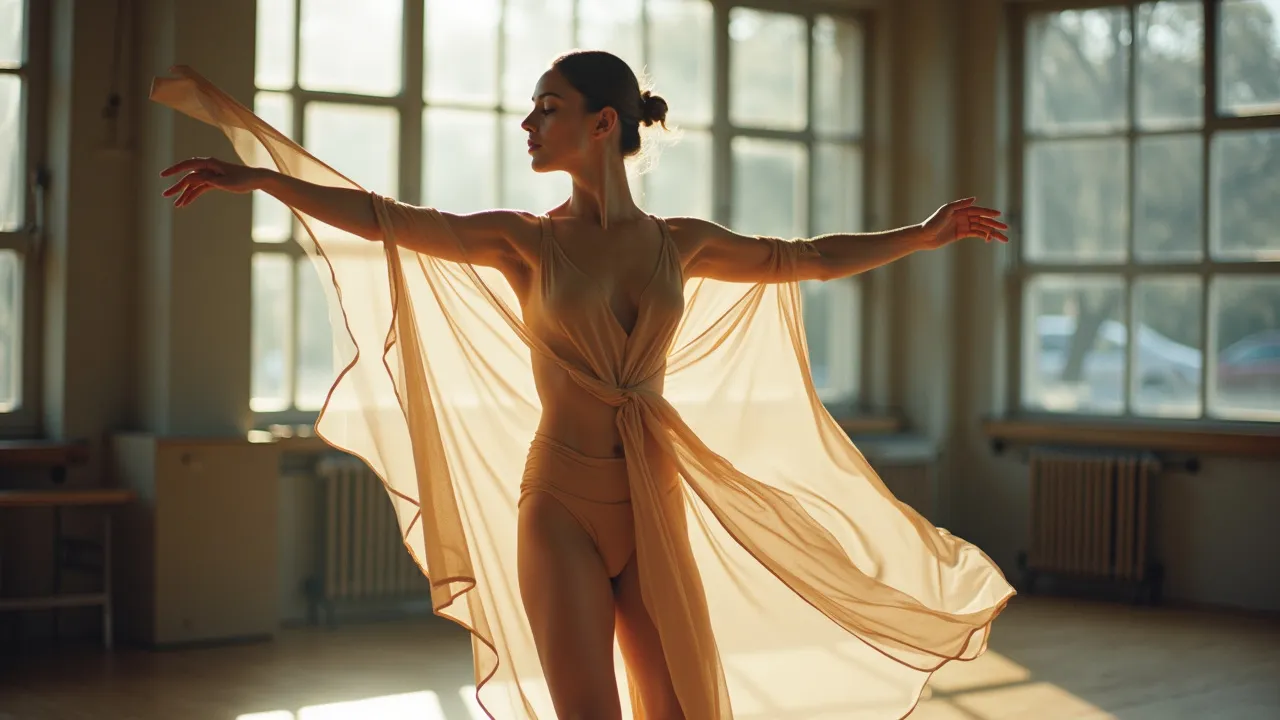
Dance of the Seven Veils Day on January 22nd celebrates the ancient art of veil dance, inspired by the biblical story of Salome. It honors dance as a form of storytelling and personal expression, observed globally through performances and workshops.
The Historical Origins & Evolutionary Journey
Dance of the Seven Veils Day traces its roots to the ancient dance performed by Salome for King Herod, as described in the New Testament. The dance, symbolizing seduction and revelation, has been reinterpreted over millennia from religious allegory to modern artistic expression. The day was officially founded in 1989 by the Global Thespian Society to reclaim the narrative as a celebration of dance, empowerment, and cultural heritage.
The Foundational Catalyst
In the late 1980s, a group of dancers and historians noticed a cultural gap: veil dancing was often misrepresented or associated solely with exoticism. Led by Dr. Helena Moore, the Global Thespian Society organized symposiums to educate the public on the dance's rich history across Middle Eastern, Greek, and Roman traditions. They chose January 22nd to commemorate the first documented performance of the dance in a non-religious context at a 1905 Parisian theatre.
The Legislative/Official Adoption
By 1990, the day was celebrated informally in 12 countries. UNESCO recognized it in 1995 as a cultural observance, and in 2004, the United Nations included it in its calendar of international arts days. Today, governments and cultural institutions fund workshops and performances, promoting cultural exchange and artistic freedom.
Modern Global Legacy
Contemporary celebrations include
- Community veil dance workshops
- Stage performances blending traditional and modern choreography
- Educational panels on the history of dance in sacred and secular spaces
How to Celebrate Dance of the Seven Veils Day
Celebrating Dance of the Seven Veils Day is about embracing movement, storytelling, and cultural appreciation. Whether you are a seasoned dancer or a curious newcomer, there are many ways to participate.
For Individuals
- Learn Basic Veil Dance Moves: Watch online tutorials focusing on figure eights, circles, and veil throws. Practice with a lightweight scarf at home.
- Attend a Local Workshop: Many dance studios offer free or discounted classes on January 22nd. Check community center listings.
- Host a Viewing Party: Stream classic performances like Salome by Oscar Wilde or modern interpretations by renowned dancers.
- Dress in Inspired Attire: Wear flowing fabrics or silk scarves to symbolize the seven veils. Share photos with #DanceOfTheSevenVeilsDay.
For Schools & Organizations
- Organize a Dance Exhibition: Invite local dance troupes to perform. Include a Q&A session about the history of veil dance.
- Educational Lectures: Host a historian to discuss the cultural significance of dance in ancient and modern societies.
- Fundraising for Art Programs: Use the day to raise funds for dance scholarships or arts education in underserved communities.
Regional Variations
In the Middle East, the day is marked by traditional raqs sharqi (belly dance) performances with a focus on storytelling. In Europe, many theatres stage adaptations of the biblical story, often with contemporary twists. In the United States, community centers emphasize inclusivity, offering classes for all ages and abilities.
Cultural Impact & Representation in Media
Dance of the Seven Veils Day has significantly influenced how veil dance is portrayed in film, literature, and art. The day serves as a counterbalance to stereotypes, highlighting the dance's roots in sacred ritual and artistic expression.
Film and Television
Iconic depictions in movies like Salomé (1923) and The King of Kings (1961) have shaped public perception. Modern filmmakers use the day to premiere new works that explore themes of identity and liberation. Television series like The Crown referenced the dance in episodes about historical performances.
Literature and Poetry
Poets like Oscar Wilde and H.D. (Hilda Doolittle) wrote extensively about Salome's dance. The day has inspired annual poetry slams where participants recite original works on the theme of unveiling truth or hidden desires.
Visual Arts
Artists from Gustav Klimt to contemporary photographers have captured the dance. On January 22nd, galleries often host exhibitions focusing on depictions of dance in art history, from ancient frescoes to modern abstract pieces.
Health Benefits & Mind-Body Connection
Veil dancing is not just an art; it offers numerous physical and mental health benefits. The flowing movements improve flexibility, coordination, and core strength. Spinning and veil work enhance balance and spatial awareness.
Physical Advantages
- Cardiovascular Health: Continuous movement elevates heart rate, improving stamina.
- Muscle Toning: Arms, shoulders, and back are engaged while manipulating the veil.
- Low-Impact Exercise: Joint-friendly, suitable for all ages and fitness levels.
Mental & Emotional Wellness
The meditative focus of veil dance reduces stress and anxiety. Participants report increased body positivity and self-confidence. On Dance of the Seven Veils Day, many studios offer free sessions emphasizing mindfulness and emotional release through movement.
Global Economic & Tourism Influence
The observance has grown into a modest economic driver for local and international events. Cities with strong dance cultures, such as Cairo, Paris, and New York, see increased tourism around January 22nd.
Event Revenue
Ticketed performances, workshops, and galas generate revenue for artists and venues. In 2023, allied events across 45 countries contributed an estimated $12 million to local economies.
Merchandise
Specialty veils, costumes, and instructional DVDs see a spike in sales. Artisans who handcraft veils from silk, chiffon, and organza benefit from the increased demand.
Digital Economy
Online streaming of performances and webinars has created new revenue streams. Subscription platforms like Dance Academy Live report a 30% increase in new users during the week of January 22nd.
Environmental & Ethical Considerations
As with many cultural observances, sustainability and ethics are important. The Global Thespian Society encourages eco-friendly celebration practices.
Sustainable Materials
Organizers promote the use of organic or recycled fabrics for veils and costumes. Many workshops teach how to repurpose old scarves rather than buying new ones.
Cultural Sensitivity
The day emphasizes respectful representation of dance traditions. Educational materials warn against cultural appropriation and encourage learning from authentic sources. Panels often include voices from the cultures where these dances originated.
Charity Partnerships
Many events partner with organizations fighting human trafficking or supporting dance therapy for trauma survivors. A portion of ticket sales goes to these causes, aligning with the theme of 'unveiling' societal issues.
Historical Timeline
The Global Thespian Society, led by Dr. Helena Moore, proposes an annual observance to celebrate veil dance as an art form.
First informal celebrations held in 12 countries, including the US, UK, France, and Egypt.
UNESCO recognizes Dance of the Seven Veils Day as a cultural observance.
United Nations includes the day in its calendar of international arts days.
First global online streaming event reaches over 1 million viewers.
Over 50 countries officially observe the day, with major festivals in Cairo, Paris, and New York.
Virtual celebrations dominate due to COVID-19; digital attendance surpasses 5 million.
The day is observed in 80+ countries, with over 2000 registered events worldwide.