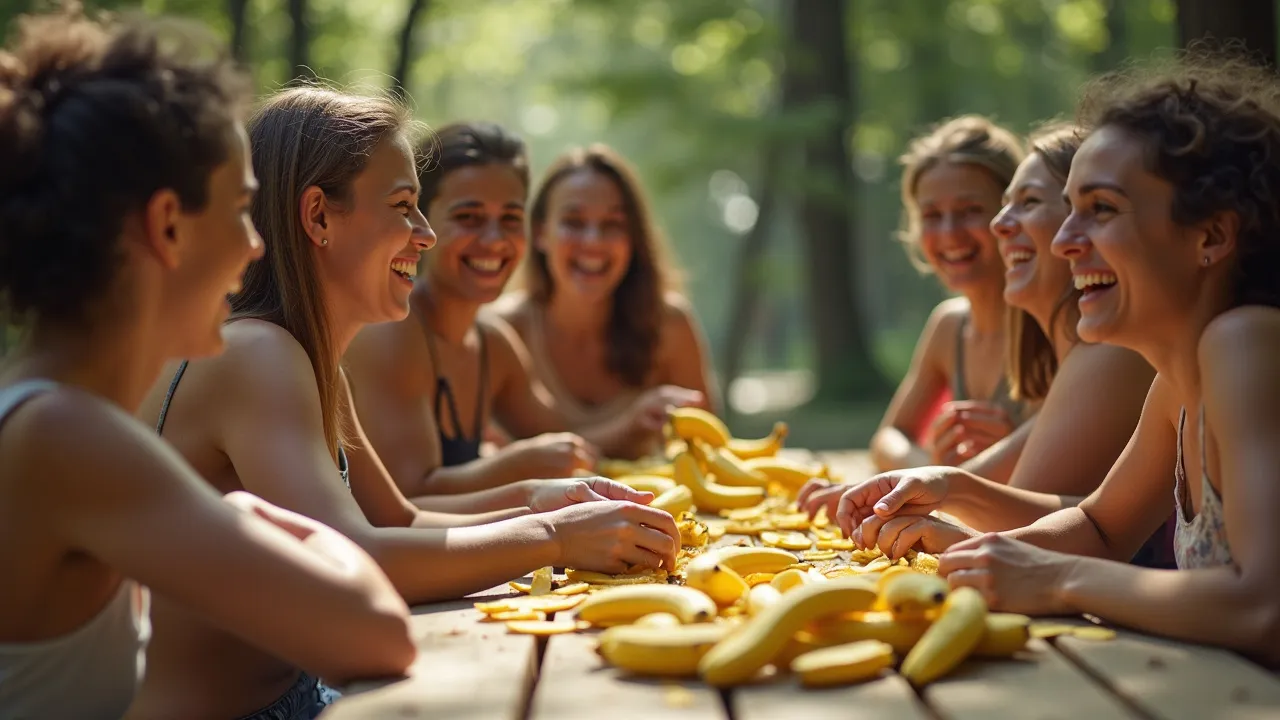
Banana Lovers Day on August 27th celebrates the world’s most popular fruit. Discover its history, health benefits, and creative ways to honor the versatile banana.
The Historical Origins & Evolutionary Journey
Banana Lovers Day is observed annually on August 27th, a date dedicated to honoring one of the most beloved fruits worldwide. While the exact origins remain grassroots, the day emerged in the early 2000s as a collaborative effort by banana growers, nutritionists, and fans to promote the fruit's health and cultural significance.
The Foundational Catalyst
Bananas have been cultivated for over 7,000 years, originating in Southeast Asia. Their journey from exotic rarity to global staple mirrors the rise of modern trade routes. By the 20th century, bananas became a household name thanks to companies like United Fruit (now Chiquita) and Dole. In 2001, a coalition of banana enthusiasts and agricultural bodies proposed a dedicated day to boost consumption and educate the public about the fruit's nutritional density.
Legislative & Official Adoption
Unlike federally recognized holidays, Banana Lovers Day grew organically through social media and marketing campaigns. Major producers like Chiquita and Dole unofficially adopted it, and by 2010 it had become a fixture on foodie calendars. The day's lack of formal government sanction hasn't diminished its appeal; instead, it's a perfect example of a modern, crowd-sourced celebration.
Modern Global Legacy
Today, Banana Lovers Day is marked in over 50 countries. From the Philippines to Brazil, people honor the fruit in ways that reflect local cultures. In the United States, it's a reminder of the banana's role in breakfasts, smoothies, and even baking. The day also serves as a platform for fair-trade advocacy, highlighting the farmers behind every bunch.
How to Celebrate Banana Lovers Day
Celebrating Banana Lovers Day can be as simple as eating a banana or as elaborate as hosting a community event. Here is the ultimate guide to making the most of August 27th.
For Individuals & Families
- Morning Banana Feast: Start the day with a banana-centric breakfast like banana pancakes, smoothies, or oatmeal topped with sliced bananas.
- Baking Bonanza: Whip up banana bread, muffins, or cookies. Experiment with variations using chocolate chips, nuts, or peanut butter.
- Taste Test: Try different banana varieties: Cavendish, Red, Plantain, or Baby bananas. Note the flavor and texture differences.
For Schools & Community Groups
- Banana Education Day: Host a workshop on the history and health benefits of bananas. Include a quiz on banana facts.
- Share the Peel: Organize a banana donation drive for local food banks. Good quality bananas are often needed but short-lived.
- Potluck Competition: Encourage participants to bring a banana dish. Categories best dessert, most creative, and healthiest.
Corporate & Social Media
- Employee Treats: Hand out bunches of bananas with a fun fact attached. Consider a banana desk contest.
- Challenges: Launch a #BananaLoversDay challenge – post a recipe, a banana art piece, or a banana peeling trick. Reward the top entries.
Global Traditions: In Jamaica, people enjoy fried plantains. In India, banana leaves are used as plates for festive meals. In the Philippines, turon (banana spring rolls) are a popular street food. On August 27th, these traditions shine.
Global Impact & Economic Significance
Bananas are the fourth most important food crop in the world after rice, wheat, and corn. Over 100 billion bananas are consumed annually. The global banana industry is a multi-billion dollar sector, with top exporters including India, Ecuador, and the Philippines. Banana Lovers Day draws attention to the economic and social impact of this fruit.
Trade & Fair Practices
More than 400 million people depend on bananas for income or food security. However, many farmers face volatile prices and labor issues. Organizations like Fairtrade International use Banana Lovers Day to promote ethical sourcing. Choosing fair-trade bananas ensures farmers receive a living wage.
Environmental Considerations
Banana cultivation faces challenges like monoculture diseases (e.g., Panama disease) and pesticide runoff. The day highlights sustainable farming methods such as intercropping and organic certification. Climate change also threatens banana production, spurring research into resilient varieties.
Key Economic Facts
- Bananas are grown in over 135 countries.
- The average American eats 27 pounds of bananas per year.
- Bananas are the most profitably priced fruit, often the cheapest per pound.
Nutritional Benefits & Health Science
Bananas are a powerhouse of nutrients. They are rich in potassium, vitamin C, vitamin B6, and dietary fiber. One medium banana provides about 105 calories, making it an ideal snack for energy and recovery.
Heart Health & Blood Pressure
Potassium helps regulate blood pressure. A diet high in bananas can reduce the risk of stroke and heart disease. The American Heart Association emphasizes potassium-rich foods.
Digestive Wellness
Bananas contain both soluble and insoluble fiber. They also have prebiotics like inulin, which feed beneficial gut bacteria. Green bananas contain resistant starch, which fosters colon health.
Sports & Exercise
Athletes often rely on bananas for a natural energy boost. Their combination of simple sugars and minerals makes them as effective as sports drinks, according to studies. They also help prevent muscle cramps.
Nutritional Table (per 100g)
- Calories: 89
- Carbohydrates: 23g
- Fiber: 2.6g
- Potassium: 358mg
- Vitamin C: 8.7mg
- Vitamin B6: 0.4mg
Cultural Significance & Symbolism
Beyond nutrition, bananas have a rich cultural footprint. They appear in art, music, and idioms. The phrase "bananas" means crazy or extremely good. Pop icons like Andy Warhol used bananas in art, and the fruit is a staple in cartoons.
In Music & Film
The Velvet Underground's iconic banana cover album is a symbol of 1960s culture. In film, the banana peel slip is a classic comedy trope. The fruit also features in children's songs like "Yes, We Have No Bananas."
In Religion & Rituals
In Hinduism, banana leaves are used for offerings and as plates. In Buddhism, bananas are offered to monks. In many African cultures, bananas signify fertility and hospitality.
In Language & Phrases
- "Going bananas" – becoming excited or angry.
- "Second banana" – a supporting role.
- "Top banana" – the leader.
Banana Lovers Day celebrates these embedded cultural references, reminding us that bananas are more than just food—they are a universal icon.
Historical Timeline
First cultivation of bananas in Southeast Asia, specifically Papua New Guinea.
Alexander the Great's armies encounter bananas in the Indus Valley, bringing them to Europe.
Portuguese traders introduce bananas to the Canary Islands and then to the Americas.
First commercial banana shipments from Jamaica to the United States began.
The United Fruit Company starts operations, shaping the modern banana industry.
Panama disease (Fusarium wilt) devastates the Gros Michel banana, leading to the Cavendish variety dominance.
First unofficial celebration of Banana Lovers Day on August 27th through grassroots promotion.
Banana Lovers Day gains mainstream recognition with social media campaigns from major fruit companies.
Banana Lovers Day is celebrated in over 50 countries, with focus on fair trade and sustainability.