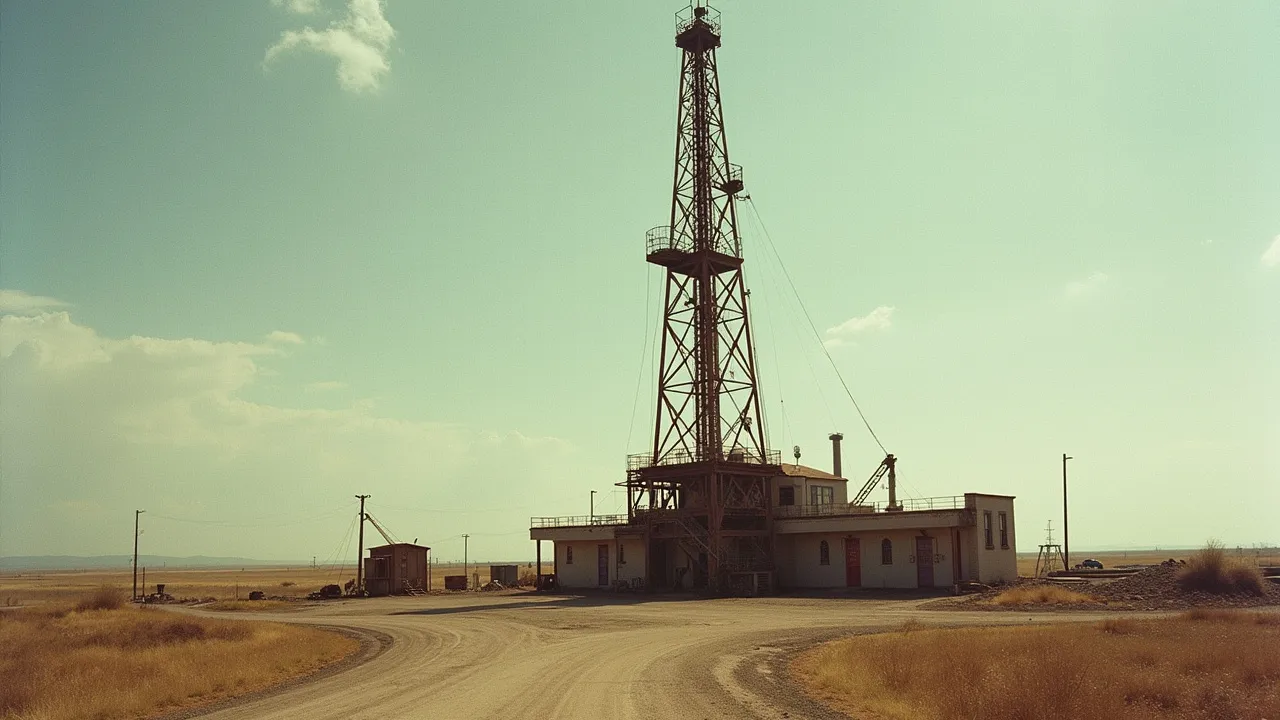
National Petroleum Day on August 27th celebrates the indispensable role of petroleum in modern civilization, from driving economic growth to enabling technological progress. It's a time to reflect on the history of oil and its future in a changing energy landscape.
The Historical Origins & Evolutionary Journey
National Petroleum Day, observed annually on August 27th, traces its roots to grassroots efforts by industry enthusiasts and historians who recognized the transformative power of petroleum. While not officially founded by a single entity, the day emerged in the early 2000s as a way to honor the black gold that powered the 20th century.
The Foundational Catalyst
The modern petroleum industry began with Edwin Drake's successful drilling of the first commercial oil well in Titusville, Pennsylvania, in 1859. This breakthrough unleashed a wave of exploration and innovation, leading to the discovery of vast oil fields in Texas, the Middle East, and beyond. The Industrial Revolution's insatiable demand for lubricants and kerosene for lamps spurred rapid growth.
The Legislative/Official Adoption
Unlike many holidays, National Petroleum Day was never formally enacted by a government. Instead, it gained traction through industry associations, museums, and educational initiatives. The American Petroleum Institute and other organizations began promoting the day in the 2000s, encouraging public reflection on petroleum's contributions.
Modern Global Legacy
Today, National Petroleum Day is recognized by energy companies, museums like the Drake Well Museum, and educational institutions. It serves as a platform to discuss not only the history but also the future of energy, including the transition to renewables. The day emphasizes petroleum's role in everything from plastics to pharmaceuticals.
How to Celebrate National Petroleum Day
Celebrating National Petroleum Day can be both educational and engaging. Here are actionable ways individuals, schools, and organizations can participate:
For Individuals and Families
- Visit a Petroleum Museum: Explore the Drake Well Museum in Pennsylvania or the Oil Museum in Texas to see historic rigs and learn about drilling technology.
- Documentary Night: Watch films like The Prize or Crude Independence to understand the geopolitical impact of oil.
- Energy Audit: Evaluate your home's reliance on petroleum products and explore energy-saving alternatives.
For Schools and Educators
- Classroom Lessons: Teach students about the Rock Cycle, fossil fuels, and the formation of petroleum over millions of years.
- Science Experiments: Demonstrate the density of oil and water, or the process of distillation using simple models.
- Debates: Host discussions on the pros and cons of fossil fuels versus renewable energy.
For Organizations and Companies
- Public Lectures: Invite geologists or energy economists to speak about the history and future of petroleum.
- Social Media Campaigns: Share infographics on petroleum's role in everyday items like asphalt, plastics, and medicines.
- Community Outreach: Sponsor tours of local refineries or drilling sites with safety precautions.
Celebrations vary globally. In the United States, emphasis is on technological achievement; in the Middle East, cultural heritage and economic importance are highlighted; in Europe, the focus often includes environmental stewardship and transition planning.
Global Impact of Petroleum
Petroleum has reshaped the world since the 19th century. It fueled the rise of automobiles, aviation, and modern warfare. Oil wealth created economic powerhouses like Saudi Arabia and Kuwait, while also sparking geopolitical tensions. The global trade in petroleum dictates foreign policies and influences conflicts. Key impacts include:
Economic Transformation
The oil industry accounts for a significant share of global GDP. Countries like Norway used oil revenues to build sovereign wealth funds, while others suffered from the resource curse. Petroleum price fluctuations affect inflation, trade balances, and currency values worldwide.
Environmental Footprint
Burning petroleum releases CO2 and pollutants, contributing to climate change and air quality issues. Oil spills, such as the Exxon Valdez and Deepwater Horizon, have devastating ecological effects. The industry faces pressure to adopt cleaner extraction and refining methods.
Social Change
Gasoline allowed suburban expansion, and petrochemicals enabled modern medicine and electronics. However, petroleum dependence has also created challenges like oil addiction and geopolitical vulnerabilities.
The Science Behind Petroleum
Petroleum, or crude oil, is a complex mixture of hydrocarbons formed from ancient marine organisms under heat and pressure over millions of years. Understanding its formation and properties is key to appreciating its value.
Formation and Composition
Organic matter from plankton and algae settled on ocean floors, buried under sediment. Over time, heat and pressure transformed it into kerogen and then into liquid hydrocarbons. The resulting crude oil varies in density and sulfur content, affecting its refinement.
Refinement Process
Crude oil is separated into fractions via fractional distillation.
- Gasoline (lightest) for vehicles.
- Kerosene for jet fuel.
- Diesel for trucks and machinery.
- Heavy residuals for asphalt and lubricants.
Exploration Techniques
Modern geologists use seismic surveys and gravity mapping to locate oil reserves. Enhanced oil recovery methods inject water, steam, or CO2 into wells to maximize extraction.
Environmental Considerations and Sustainability
National Petroleum Day also serves as a reminder of the environmental challenges posed by petroleum use. The extraction, transportation, and combustion of oil have significant impacts.
Oil Spills and Cleanup
Spills cause long-term damage to ecosystems. Technologies like booms, skimmers, and dispersants are used, but prevention remains critical. The 2010 Deepwater Horizon disaster highlighted the risks of deepwater drilling.
Climate Change
Burning petroleum is a major source of greenhouse gases. The Paris Agreement and national policies aim to reduce dependency. Alternatives like electric vehicles and renewable energy are growing but still face adoption hurdles.
Sustainable Practices
Some companies invest in carbon capture and storage (CCS) to offset emissions. Others are exploring biofuels and synthetic fuels. Consumers can reduce petroleum use by conserving energy, recycling plastics, and supporting clean energy policies.
The Future of Petroleum and Energy Transition
As the world shifts towards sustainability, the role of petroleum is evolving. Peak oil demand may occur within decades, but petroleum will remain crucial for petrochemicals and transportation in the near term.
Innovations in Extraction
Hydraulic fracturing and horizontal drilling unlocked shale oil and gas, extending the life of conventional reserves. However, these methods raise environmental concerns.
Diversification Strategies
Major oil companies like Shell and BP are investing in renewables, hydrogen, and electric vehicle charging infrastructure. National oil companies in the Middle East are exploring economic diversification to reduce oil dependence.
Policy and Geopolitics
Government incentives for clean energy and carbon pricing are reshaping the landscape. The transition will be gradual, with petroleum still essential for aviation, shipping, and petrochemicals for decades. National Petroleum Day encourages informed dialogue on balancing energy needs with environmental stewardship.
Historical Timeline
Edwin Drake drills the first commercial oil well in Titusville, Pennsylvania, launching the modern petroleum industry.
The Spindletop gusher in Texas heralds the start of the Texas oil boom and establishes the region as a major oil producer.
Standard Oil is broken up by the United States Supreme Court under the Sherman Antitrust Act, reshaping the global oil industry.
Oil is discovered in Saudi Arabia, leading to the formation of Saudi Aramco and transforming the global energy landscape.
The OPEC oil embargo triggers an energy crisis, highlighting petroleum's geopolitical power and spurring energy conservation efforts.
The Exxon Valdez oil spill in Alaska prompts major environmental regulations and increased focus on oil spill prevention.
National Petroleum Day is informally established through industry and educational initiatives to celebrate petroleum's contributions.
The Deepwater Horizon oil spill in the Gulf of Mexico becomes the largest marine oil spill in history, leading to stricter drilling safety rules.
The COVID-19 pandemic causes a historic drop in oil demand, accelerating discussions on energy transition and renewable investments.