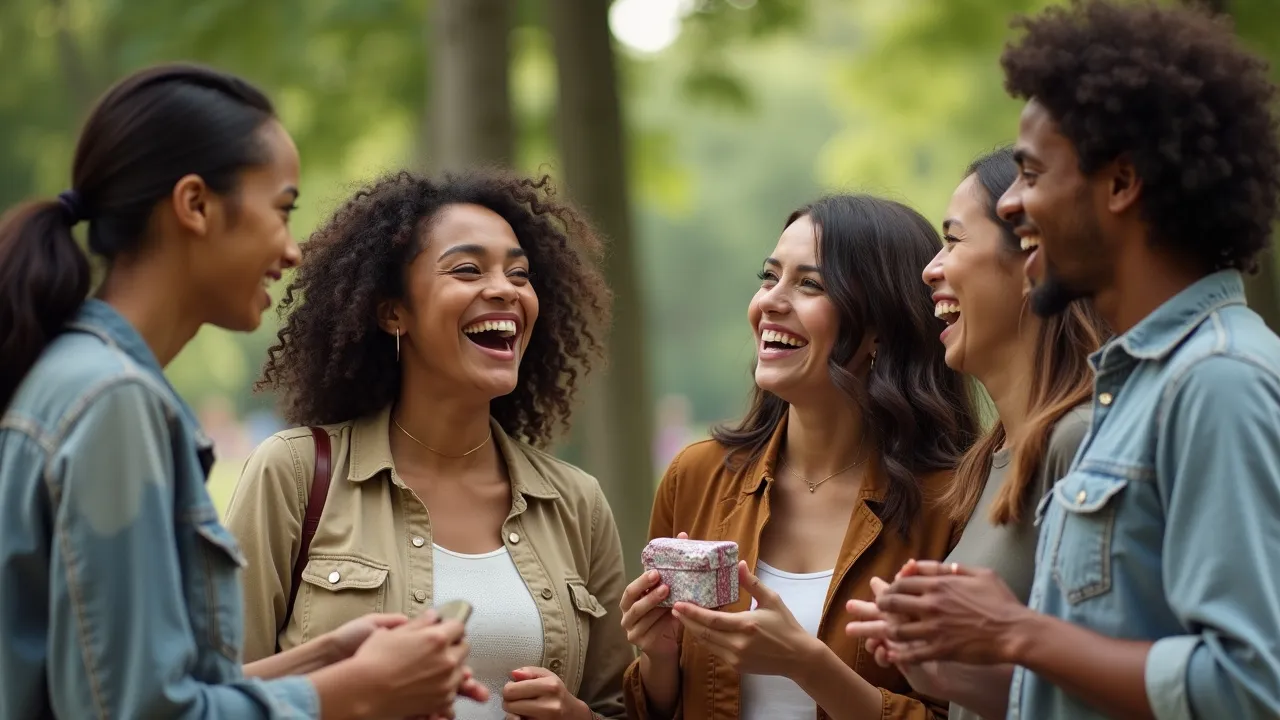
National Just Because Day on August 27th is a celebration of spontaneity and doing things without a reason. Embrace the joy of unexpected acts and break free from routine.
The Historical Origins & Evolutionary Journey
National Just Because Day, observed annually on August 27th, is a modern cultural phenomenon that encourages individuals to engage in spontaneous, unplanned acts of joy without any specific reason. Unlike traditional holidays tied to religious or historical events, this day celebrates the pure, unfiltered pleasure of doing something simply because one feels like it. The origins of this observance are rooted in the late 20th century, when American humorist and holiday creator Thomas Roy, along with his wife Ruth Roy, sought to inject more levity and unpredictability into everyday life.
The Foundational Catalyst
Thomas Roy and Ruth Roy, founders of the well-known Wellcat Holidays, are credited with creating National Just Because Day in the late 1990s. The couple has a long history of inventing lighthearted, offbeat holidays such as "Bubble Wrap Appreciation Day" and "World Jump Day." Their philosophy was to give people an excuse to break free from the rigid schedules and obligations of modern life. The catalyst for Just Because Day came from a simple observation: many people feel pressured to justify their actions, and spontaneity is often lost. The Roys proposed a day where the only justification needed is "just because." The first official celebration is believed to have occurred in 1998, promoted through their website and a small network of enthusiasts.
The Legislative/Official Adoption
Unlike national holidays that require government proclamation, National Just Because Day has never been officially legislated. Its adoption has been entirely grassroots, spread through word of mouth, social media, and informal community events. This lack of official status aligns perfectly with the day's spirit: it is an anarchic, voluntary celebration that thrives on personal initiative. Over the years, schools, businesses, and even some local governments have unofficially recognized the day by encouraging random acts of kindness, surprise office parties, or unannounced days off.
Modern Global Legacy
In the digital age, National Just Because Day has evolved into a global phenomenon. Social media platforms like Instagram, Twitter, and TikTok see millions of posts using #JustBecauseDay, sharing everything from impromptu road trips to spontaneous baking. The day has become a powerful antidote to the culture of over-planning and productivity obsession. Psychologists and lifestyle experts have embraced the day as a tool for mental well-being, noting that unplanned positive activities can reduce stress, boost creativity, and strengthen social bonds. Today, Just Because Day is celebrated in diverse ways across the world, from surprise flash mobs in Tokyo to random acts of kindness in London.
How to Celebrate National Just Because Day
Celebrating National Just Because Day is all about spontaneity and doing something you wouldn't normally do. The key is to avoid over-planning; let the moment guide you. Below are some actionable strategies for individuals, groups, and organizations to mark the day meaningfully.
Individual Celebrations
- Random Acts of Kindness: Pay for the coffee of the person behind you, leave a positive note on a stranger's car, or donate to a cause you just thought of. Do it without expecting anything in return.
- Unplanned Adventure: Take a different route to work, explore a neighborhood you've never visited, or drive to a nearby town with no itinerary. The goal is to discover something new.
- Surprise Yourself: Learn a new hobby for an hour, attend a random workshop, or cook a dish you've never tried. The act of trying something without prior intention is liberating.
- Digital Detox: Unplug all electronics for a few hours and do something purely analog, like reading a physical book or drawing. Do it just because you want to.
Corporate and Group Activities
- Spontaneous Office Party: Declare an unplanned break with snacks and games. No agenda, just fun.
- Random Recognition: Hand out small, no-reason awards to colleagues, such as "Best Random Smile" or "Most Likely to Bring Bagels."
- Team Outing Without Notice: Take the team to a park, museum, or bowling alley. Announce it only minutes before leaving.
- Surprise Day Off: If possible, give employees a half-day off with no work expectations. Encourage them to do anything they wish.
In schools, teachers can organize "Just Because" moments, like a spontaneous dance break, an extra recess, or a no-reason homework pass. The essence lies in the absence of a logical trigger.
The Psychology of Spontaneous Celebration
National Just Because Day taps into fundamental psychological needs for autonomy, novelty, and play. Research in positive psychology consistently shows that unplanned positive experiences can significantly boost emotional well-being. This section explores the science behind why celebrating "just because" is good for the brain.
Benefits of Unplanned Acts
Spontaneous activities trigger the brain's reward system, releasing dopamine and serotonin. When we do something out of the ordinary, we increase neural plasticity, making us more adaptable and creative. A study from the University of Rochester found that autonomy—the feeling of being in control of one's actions—is a stronger predictor of happiness than even financial success. Just Because Day provides a structured outlet for autonomy.
Mental Health
Rigid routines can lead to burnout and depression. By intentionally inserting spontaneity, individuals break the cycle of predictability. Acts of kindness done "just because" also foster social connection, which buffers against loneliness. A 2019 study in the Journal of Happiness Studies noted that people who performed random acts of kindness reported higher life satisfaction.
Reduced Stress
When we let go of the need for a reason, we reduce cognitive load. The pressure to justify every choice is a source of chronic stress. On Just Because Day, we practice cognitive flexibility, which is linked to lower cortisol levels. The mindfulness of living in the moment, without future planning, is a form of meditation in action.
Cultivating the Just Because Mindset Year-Round
While August 27th is the designated day, the principles can be applied daily. Psychologists recommend scheduling "white space" in calendars—uncommitted time for spontaneous decisions. The day serves as a reminder that life does not always need a spreadsheet.
Corporate and Social Rituals
National Just Because Day has seen growing adoption in the corporate world as a tool for improving workplace culture. Progressive companies recognize that forced fun often fails, but the element of surprise can energize teams. Here are common corporate rituals and their impact.
- Surprise Treats: Companies may bring in ice cream trucks or food carts without prior announcement. The unexpected treat boosts morale and creates shared positive memories.
- Dress Down Days: Abercrombie & Fitch, for example, has implemented no-reason dress-down days where employees can come in costume or pajamas.
- Innovation Time: Some tech firms, like Google, encourage employees to spend a percentage of their time on projects that are not work-related. Just Because Day can be an extension of this concept.
- Random Acts of Recognition: Employees can be nominated for "Just Because" awards that come with small prizes, such as gift cards or extra vacation hours.
Nonprofits also use the day to encourage spontaneous volunteering. For instance, a food bank might send out a "we need help now" alert without prior notice, drawing on the day's spirit. Social media campaigns often go viral when organizations commit to live-streaming unplanned acts of generosity.
Global Impact and Future Trends
While National Just Because Day originated in the United States, its appeal is universal. In Japan, the concept of "just because" aligns with the existing cultural appreciation of "omotenashi" (hospitality) and unexpected kindness. In Brazil, spontaneity is woven into the cultural fabric of "jeitinho brasileiro," and Just Because Day is embraced with last-minute samba parties. However, the observance sees the most active promotion in English-speaking countries through social media influencers.
Other Countries' Interpretations
In the United Kingdom, a 2023 survey showed that 34% of people celebrated Just Because Day by doing something they had never done before, such as visiting a new pub or taking a spontaneous train journey. In Australia, the day is often used to encourage outdoor activities, like dropping everything for a barbecue at the beach. In India, urban youth use the day to plan flash mobs or group acts of charity.
Future Directions
As society becomes increasingly scheduled and optimized, the need for spontaneity grows. Experts predict that Just Because Day will continue to gain institutional support, possibly becoming a recognized mental health awareness day. Some cities have already considered issuing "Just Because Day" permits for unannounced street performances. The rise of artificial intelligence may also create a counter-movement advocating for human unpredictability, with Just Because Day as its emblem.
Historical Timeline
Thomas and Ruth Roy create National Just Because Day, first celebrated on August 27th through their Wellcat Holidays initiative.
The day gains traction online as early internet forums and blogs share spontaneous celebration ideas. Small communities begin organizing events.
Social media platforms like Facebook and Twitter see the first hashtag campaigns using #JustBecauseDay, reaching a global audience.
A major corporation, JetBlue Airways, promotes the day by offering random upgrades to passengers; media coverage increases awareness.
The American Psychological Association publishes an article highlighting the mental health benefits of spontaneity, referencing the day.
During the COVID-19 pandemic, the day sees a surge in participation as people seek lighthearted actions to break lockdown monotony.
National Just Because Day is recognized by over 50 countries via social media trends, with schools and businesses formally participating.