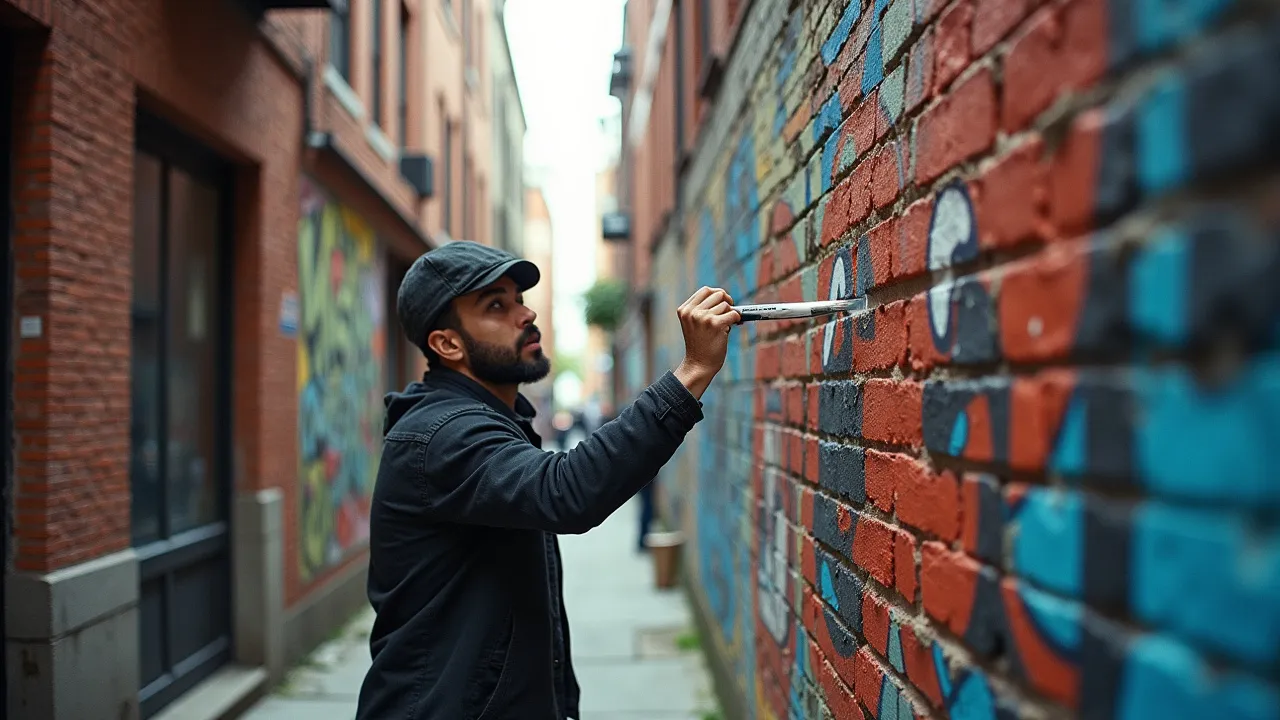
Celebrate Artist as Outlaw Day on January 19th, honoring rebellious creators who defy conventions and challenge societal norms through their art. Discover the history, significance, and ways to join the movement.
The Historical Origins & Evolutionary Journey
Artist as Outlaw Day is observed annually on January 19th, a date chosen to honor the birth of Edgar Allan Poe—a literary outlaw whose macabre and unconventional works defied the literary norms of his time. However, the official observance was founded in 2001 by a group of contemporary artists and writers known as The Outlaw Artists Collective, who sought to create a day celebrating artistic rebellion across all mediums.
The Foundational Catalyst
The concept of the artist as an outlaw has deep historical roots. From the Renaissance painters like Caravaggio, who lived a life of crime and brawls, to the avant-garde movements of the 20th century, artists have often operated outside the boundaries of law and social convention. The Outlaw Artists Collective recognized this recurring archetype and formalized the observance to encourage a global dialogue about the role of transgression in art.
Legislative/Official Adoption
While Artist as Outlaw Day is not officially recognized by any government, it has been endorsed by several art councils and nonprofit organizations. In 2005, the National Endowment for the Arts (NEA) in the United States released a statement acknowledging the day's cultural significance. Since then, it has been celebrated in art schools, galleries, and online communities worldwide.
Modern Global Legacy
Today, Artist as Outlaw Day is marked by exhibitions, street art installations, poetry slams, and digital campaigns. It has grown into a platform for marginalized voices and underground movements, reinforcing the idea that art can be a powerful tool for social change. The day also highlights the tension between artistic freedom and censorship, a theme that resonates in many parts of the world.
How to Celebrate Artist as Outlaw Day
Whether you are an individual, a school, or an organization, there are many ways to commemorate this day. Below are actionable strategies for different audiences.
For Individuals
- Create a piece of "outlaw art" that challenges a social norm or political stance. Share it on social media with the hashtag #ArtistAsOutlawDay.
- Read about historical outlaw artists like Edgar Allan Poe, Frida Kahlo, or Banksy to draw inspiration.
- Attend a local poetry reading or open mic night focused on rebellious themes.
For Schools and Educational Institutions
- Organize a workshop on the history of censorship in art, encouraging students to create their own outlaw-inspired pieces.
- Host a debate on the ethics of artistic expression versus community standards.
- Invite a local street artist to give a talk about the intersection of art and activism.
For Organizations and Businesses
- Curate an exhibition featuring works by local artists who address taboo topics or push boundaries.
- Launch a social media campaign showcasing how your brand supports unconventional creativity.
- Donate a portion of sales to organizations that defend artistic freedom, such as Pen America or Artists at Risk.
In different countries, traditions vary. In France, artists often stage flash mobs in public squares. In Japan, there are underground manga exhibitions. In Brazil, favela murals become the focus of the day.
The Global Impact of Outlaw Art
Outlaw art—work that intentionally breaks legal or social boundaries—has played a pivotal role in shaping cultural and political landscapes worldwide. From the subversive graffiti of the Berlin Wall to the protest art of the Arab Spring, creators have used their craft to challenge authority and inspire movements.
Social and Political Influence
Outlaw art often serves as a voice for the voiceless. For instance, the Guerrilla Girls—an anonymous group of feminist artists—used provocative posters to expose gender and racial inequality in the art world. Similarly, Ai Weiwei's installations have critiqued the Chinese government's human rights record, leading to his imprisonment and ongoing harassment.
Censorship and Resistance
Governments have frequently suppressed outlaw art, viewing it as a threat to social order. However, such censorship often backfires, amplifying the message and solidifying the artist's iconic status. The Pussy Riot case in Russia is a prime example: their punk prayer protest led to international fame and a global conversation about freedom of expression.
Economic Impact
The outlaw art market is booming. Works by street artists like Banksy sell for millions, and major brands collaborate with rebellious creators to tap into countercultural cachet. This commercial success, however, raises questions about co-optation and authenticity.
Prominent Outlaw Artists Throughout History
The archetype of the artist as an outlaw spans centuries and cultures. Here are some notable figures who embody this spirit.
Caravaggio (1571–1610): A Baroque painter known for his dramatic chiaroscuro and violent temper, Caravaggio was a fugitive wanted for murder, yet his work revolutionized art.
Marquis de Sade (1740–1814): An aristocrat and writer whose libertine novels and philosophical works led to numerous imprisonments and bans; his name spawned the term "sadism."
Frida Kahlo (1907–1954): Her raw self-portraits exploring pain, identity, and sexuality defied societal expectations and made her a feminist icon.
William S. Burroughs (1914–1997): A Beat Generation writer whose experimental novels like Naked Lunch faced obscenity trials and censorship.
Banksy (active 1990s–present): Anonymous street artist whose politically charged graffiti has both courted controversy and achieved mainstream adoration.
The Role of Censorship and Controversy in Art
Censorship has long been a double-edged sword for artists. On one hand, it suppresses creativity; on the other, it fuels the outlaw mystique. This section explores how censorship shapes artistic expression.
Historical Censorship Cases
From the burning of books in Nazi Germany to the removal of Chris Ofili's dung-laden Virgin Mary from a New York exhibition in 1999, censorship often targets works that challenge religious or political orthodoxies. In some cases, artists have been jailed or exiled.
The Body as Canvas
Performance art, especially when involving nudity or self-harm, frequently crosses legal lines. Marina Abramović's Rhythm 0 (1974) allowed viewers to do anything to her body, leading to dangerous acts—a commentary on power and victimhood.
Modern Digital Censorship
Today, social media platforms remove "offensive" content, prompting debates about who decides what is art. The #Freethenipple campaign and the removal of Mapplethorpe photographs from Instagram are contemporary flashpoints.
Future of the Outlaw Art Movement
As technology evolves, so does the definition of outlaw art. Virtual reality, AI-generated works, and NFTs present new frontiers for rebellion. However, they also raise ethical questions about authenticity and ownership.
Digital Outlaws
Hacktivist groups like Anonymous have used art as propaganda, while crypto artists mint NFTs that circumvent traditional gatekeepers. The rise of decentralized platforms may empower more creators to operate outside conventional systems.
Environmental Artivism
A new wave of artists is using their work to confront climate change through illegal acts like camouflaging oil infrastructure or staging die-ins. This blend of art and activism is likely to gain momentum.
Institutional Co-optation
As outlaw art becomes mainstream, there is a risk of losing its radical edge. Major museums now showcase street artists, and corporations appropriate rebellion for marketing. The challenge for future outlaws will be to stay one step ahead of commodification.
Historical Timeline
The Outlaw Artists Collective establishes Artist as Outlaw Day on January 19th, honoring Edgar Allan Poe's birthday and celebrating artistic rebellion.
National Endowment for the Arts acknowledges the day, sparking wider recognition in the United States.
First global online campaign using the hashtag #ArtistAsOutlawDay trends on Twitter, drawing participants from over 30 countries.
The day is endorsed by the International Association of Art Critics, leading to official events in galleries across Europe and Asia.
A landmark exhibition titled 'Outlaws: Art Beyond the Law' opens at the Tate Modern in London, featuring works by Banksy, Ai Weiwei, and others.
Artist as Outlaw Day is celebrated in over 50 countries, with street art festivals, film screenings, and academic conferences.
The first virtual reality exhibit for Artist as Outlaw Day allows global participation in an immersive outlaw art experience.