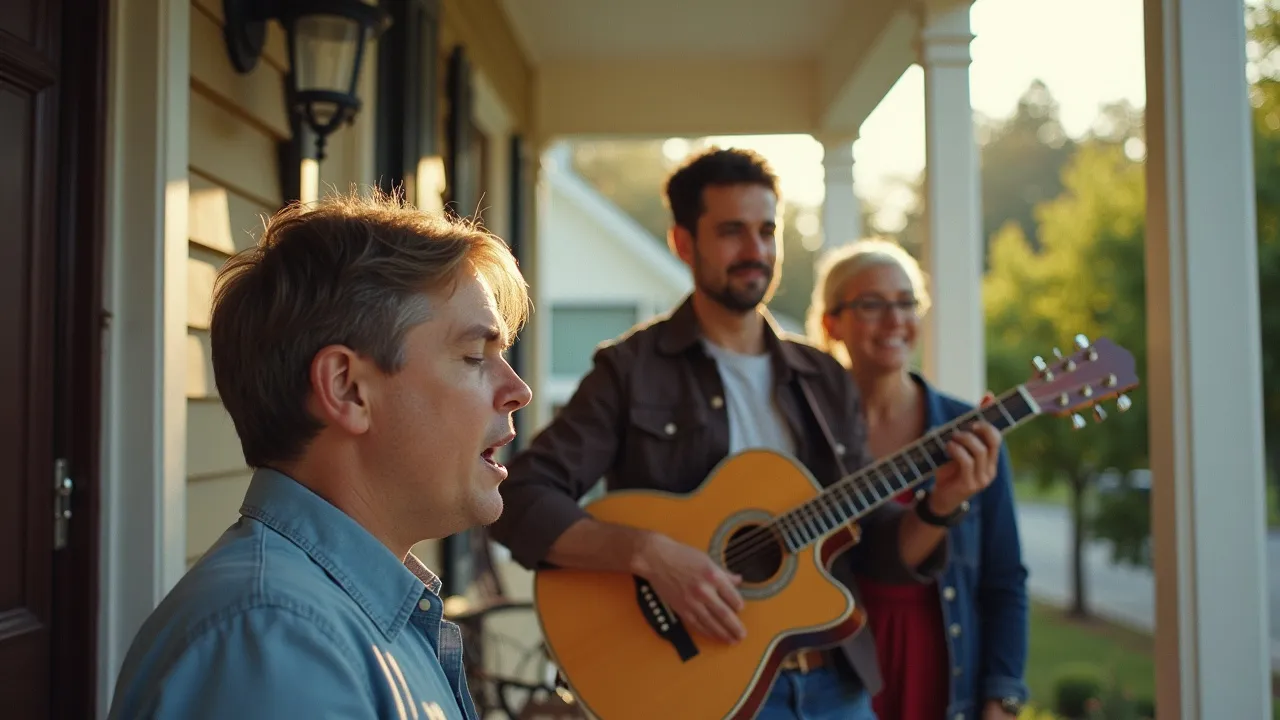
Celebrate Yodel for Your Neighbors Day on January 30th by yodeling to your neighbors. This fun, quirky observance promotes community bonding through the unique art of yodeling.
The Historical Origins & Evolutionary Journey
Yodel for Your Neighbors Day, observed annually on January 30th, is a whimsical yet meaningful holiday that encourages people to step outside and yodel to those living nearby. Its origins trace back to the early 2000s when holiday creator Thomas Roy, known for establishing numerous offbeat celebrations, sought to create a day that blends music, humor, and neighborly connection.
The Foundational Catalyst
Roy, a Pennsylvania-based founder of the "Wellcat Holidays" series, developed this day as part of his mission to inject levity into the midwinter season. Yodeling itself, a vocal technique characterized by rapid pitch changes, has deep roots in Alpine folk music but had found a niche in American country and western traditions. Roy saw the act of yodeling as a nonthreatening, joyful noise that could break down social barriers. The first unofficial celebration involved Roy yodeling from his porch, prompting curious and amused reactions from his neighbors.
The Legislative/Official Adoption
While Yodel for Your Neighbors Day has no official government proclamation, it gained grassroots traction through social media and holiday calendar websites. By the mid-2000s, it was listed on national day databases, encouraging widespread participation. The day's informal nature allowed it to spread organically, with enthusiasts sharing videos and hosting yodeling contests. No formal legal adoption occurred, but its place in pop culture became cemented.
Modern Global Legacy
Today, Yodel for Your Neighbors Day transcends its Alpine origins, celebrated in urban and rural settings worldwide. It serves as a reminder of the power of simple, creative acts to foster community. The day has inspired related events like "Yodeling Flash Mobs" and "Neighborhood Yodeling Workshops," proving that a silly idea can have lasting social impact.
How to Celebrate Yodel for Your Neighbors Day
Celebrating Yodel for Your Neighbors Day is as easy as stepping outside and letting out a hearty yodel. However, to fully embrace the spirit of the day, consider these best practices and traditions from around the world.
Essentials for a Successful Yodel
- Choose Your Yodel Style: Practice a traditional Alpine yodel ("yodle-ay-ee-oo") or a country-western yodel inspired by legends like Jimmie Rodgers.
- Timing: Aim for late afternoon or early evening when neighbors are likely home and receptive. Avoid early morning or late night to respect sleep schedules.
- Invite Participation: Encourage neighbors to yodel back, creating a call-and-response dynamic. Use social media to announce your yodeling time in advance.
Global Celebration Dynamics
In Switzerland and Austria, yodeling is a revered folk tradition. Participants often gather in town squares for communal yodeling sessions, accompanied by alphorns. In the United States, the day is often marked by humorous videos posted online, or by yodeling at a neighbor's door and handing out homemade treats. In Japan, where yodeling has a small but passionate following, celebrations may involve karaoke-style yodeling at local bars. For schools and organizations, activities include yodeling lessons, creating yodeling songs, and organizing neighborhood yodeling parades. Corporate teams can use the day for team-building via virtual yodeling contests.
The Art & Technique of Yodeling
Yodeling is more than just a funny sound; it's a sophisticated vocal technique. Mastering it requires understanding the switch between chest voice and falsetto, creating the characteristic break. Beginners can start with simple exercises:
- Find Your Break: Hum a low note, then slide up to a high note until your voice "cracks." That crack is the yodel transition.
- Practice with "Yo-dee-lay-ee-oo": Repeat the phrase slowly, focusing on the leap from "dee" to "lay."
- Use Diaphragm Support: Yodeling requires strong breath control. Breathe from the diaphragm, not the chest.
Historically, yodeling served as a communication tool in the Alps. Today, it's celebrated in genres from country music to rock, with artists like Bill Monroe and Tarzan singer incorporating yodels.
Health Benefits of Yodeling
Beyond fun, yodeling offers surprising health benefits. The deep breathing involved improves lung capacity and diaphragmatic strength. The vibrational nature of yodeling can massage the vocal cords and sinuses. Psychologically, the act of making loud, joyful sounds releases endorphins, reducing stress. Socially, yodeling with neighbors fosters a sense of belonging, which is linked to better mental health. Some music therapists even use yodeling to help patients with stuttering or social anxiety.
Yodeling in Popular Culture
Yodeling has left an indelible mark on popular culture. In film, the iconic "yodeling" in The Sound of Music and the Tarzan yell brought the technique to global audiences. In music, the "Yodeling Cowboy" genre influenced Johnny Cash and the Beatles' song "Sun King." Internet culture revived yodeling with viral videos like "Yodeling Kid" who became a sensation. This day encourages everyone to contribute their own yodeling moment.
Community Building Through Music & Play
Yodel for Your Neighbors Day exemplifies how simple, shared experiences can strengthen community bonds. In an era of digital isolation, stepping outside and making a joyful noise creates a moment of human connection. The day's inherent silliness disarms social barriers, making it easy to interact. Many participants report that after yodeling, neighbors felt more comfortable approaching each other in the following days. The holiday has even inspired "neighborhood yodel chains"—sequential yodels from house to house—creating a wave of music that defines local culture.
Historical Timeline
Yodeling becomes a staple of American country music through artists like Jimmie Rodgers, the 'Father of Country Music,' who popularized the 'blue yodel.'
Thomas Roy creates Yodel for Your Neighbors Day as part of his Wellcat Holidays series, setting the date as January 30th.
The day gains national attention when featured in Chase's Calendar of Events, an authoritative reference for holidays.
Social media platforms like Twitter and Facebook see a spike in user posts with hashtags #YodelForYourNeighborsDay, spreading the tradition globally.
YouTube videos of neighborhood yodeling go viral, including a suburban family chain yodel that receives over 2 million views.
Schools in Switzerland incorporate the day into cultural exchange programs, teaching students to yodel and connect with American peers.