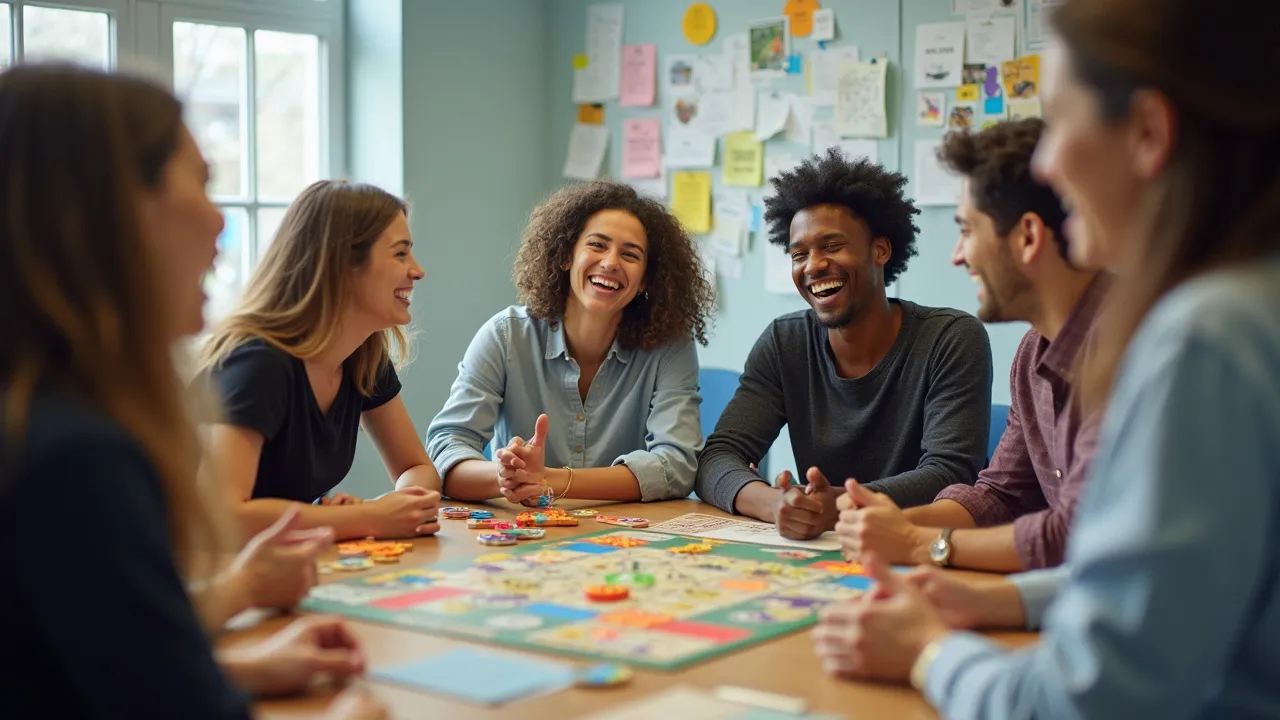
National Have Fun at Work Day, observed on the last Friday in January, encourages employees to inject joy and playfulness into the workplace. This day promotes team bonding, creativity, and a positive work culture.
The Historical Origins & Evolutionary Journey
National Have Fun at Work Day traces its roots to the late 1990s, when corporate wellness and employee engagement began gaining traction. The day was first informally observed in 1998 as a grassroots movement among small businesses seeking to break the monotony of daily office routines. By the early 2000s, it had spread through word of mouth and early online communities, eventually being codified as the last Friday in January.
The Foundational Catalyst
The catalyst for this observance came from a growing body of research linking workplace fun to higher productivity, lower turnover, and improved mental health. In 1999, a landmark study by Professor Peter Warr at the University of Sheffield highlighted that employees who reported having fun at work were 12% more productive. This research, combined with the rise of corporate culture experts like Tom Peters, pushed the concept from novelty to necessity.
The Official Adoption
Although no single government body officially proclaimed the day, by 2005, numerous human resource associations and employee advocacy groups had listed National Have Fun at Work Day on their calendars. The Society for Human Resource Management (SHRM) included it in its annual observance list, giving it legitimacy. Today, it is recognized by thousands of companies worldwide, from startups to Fortune 500s.
Modern Global Legacy
In the digital age, the day has evolved to include virtual celebrations for remote teams. Social media campaigns using #HaveFunAtWorkDay generate millions of impressions annually. The observance now serves as a reminder that work and play are not opposites but complementary forces for innovation and well-being.
How to Celebrate National Have Fun at Work Day
Celebrating this day requires intentional planning that respects diverse work cultures. Below are actionable strategies broken down by scale.
For Individuals
- Dress for Fun: Wear a silly hat, costume, or colorful outfit to break the usual dress code.
- Share a Joke: Start a Slack channel or email thread for jokes and funny stories.
- Take a Fun Break: Step away from your desk for a 10-minute doodle session or to play a quick online game.
For Teams and Departments
- Team-Building Games: Organize a board game tournament, trivia contest, or scavenger hunt.
- Creative Challenges: Host a desk-decorating contest or a 'best meme' competition.
- Potluck with a Twist: Each participant brings a dish named after a pun on work-related terms (e.g., "Code Salad").
For Entire Organizations
- Fun Budget: Allocate a small fund for spontaneous activities like ice cream trucks or magician visits.
- Recognition Program: Award a 'Fun Champion' trophy to the employee who brings most joy.
- After-Hours Event: Host a virtual karaoke night or in-person bowling outing.
International Variations
While primarily a North American observance, countries like the UK and Australia have adapted it. In Japan, some companies replace the day with 'Roido' (laughter yoga) sessions. In Germany, firmenkultur (corporate culture) emphasizes structured fun like 'Biergarten' afternoons.
The Psychology Behind Fun at Work
Psychological research consistently shows that fun at work is not a distraction but a driver of performance. Dr. Stuart Brown, founder of the National Institute for Play, argues that play is essential for adaptability and problem-solving. In the workplace, fun reduces cortisol levels, increases oxytocin, and boosts serotonin, creating a brain state conducive to creativity.
Productivity and Engagement
A 2019 Gallup study found that employees who strongly agree they have fun at work are 2.5 times more likely to be engaged. Fun also mitigates burnout, especially in high-stress industries like healthcare and finance.
Science of Laughter
Laughter triggers the release of endorphins, improving pain tolerance and cognitive flexibility. A short, shared laugh can synchronize team brainwaves, fostering collaboration. Studies by Dr. Robert Provine show that laughter is 30 times more frequent in social than solitary settings, making group fun highly contagious.
However, forced fun can backfire. Authenticity is key: activities should align with employee interests and company values. The Self-Determination Theory indicates that autonomy, competence, and relatedness are necessary for intrinsic motivation. Fun initiatives that respect these principles see the highest adoption.
Types of Activities for Every Workspace
From low-budget to high-resource, the variety of fun activities ensures every workplace can participate. Below are categories with examples.
Low-Cost / No-Cost
- Theme Days: Pajama Day, Superhero Day, or Throwback Thursday.
- Office Olympics: Desk chair races, paper airplane contests.
- Gratitude Wall: Sticky notes with compliments for colleagues.
Moderate Cost
- Food Events: Pizza lunch, cupcake decorating, coffee bar.
- Guest Speakers: Motivational humorists or improv groups.
- Group Outings: Escape rooms, paintball, volunteer day at an animal shelter.
Virtual Fun
- Online Games: Skribbl.io, Among Us sessions, or trivia via Zoom.
- Virtual Coffee Chat: Random pairings across teams for casual conversation.
- Digital Scavenger Hunt: Find specific images or documents in shared drives.
Each type serves a different goal: low-cost for daily morale, moderate for team bonding, virtual for remote inclusion.
Overcoming Barriers to Workplace Fun
Many organizations hesitate to embrace fun due to perceived risks: loss of productivity, professionalism concerns, or generational differences. These barriers can be systematically addressed.
Cultural Resistance
In hierarchical cultures, fun may be seen as frivolous. Solution: Frame fun as a strategic initiative tied to business metrics. Provide data on engagement and retention. Use the term 'purposeful play' to gain buy-in.
Remote Work Challenges
Remote teams miss spontaneous watercooler moments. Counter with synchronous virtual events and asynchronous fun channels (e.g., #fun Slack). Invest in digital team-building tools like Donut or Kahoot.
Fear of Excluding Others
Some employees may feel left out. Ensure activities are optional and inclusive: consider religious, cultural, and physical limitations. Survey employees to gauge preferences. A 'fun committee' representing diverse demographics can design equitable events.
Measure Impact: Track participation rates, follow-up surveys, and productivity metrics post-event to demonstrate ROI. Over time, data-driven proof silences skeptics.
Success Stories: Companies That Champion Fun
Several companies have built their brand around workplace fun, offering models for others to follow.
Google: The Pioneer of Play
Google's campuses feature game rooms, nap pods, and themed cafes. Their '20% time' policy (now evolved) allowed employees to pursue passion projects. The result? Innovations like Gmail and AdSense emerged from play-driven culture. Google's fun is integrated into daily work, not a one-off event.
Zappos: Culture of WOW
Zappos famously prioritizes company culture, with fun as a core value. They host parades, costume contests, and random acts of kindness. Their hiring process screens for cultural fit, ensuring new hires naturally embrace fun. Zappos reports lower turnover and higher customer satisfaction.
Small Business Example: The Fun Agency
A boutique marketing firm in Austin, Texas, dedicates the last Friday of every month to 'Fun Day' with no client calls. They choose activities by rotation (e.g., board game mornings, improv workshops). Employee satisfaction scores are consistently above 95%, and they have a waiting list for job applicants.
These examples show that fun scales across company sizes and industries.
The Future of Fun at Work
As work evolves, so will the nature of workplace fun. Key trends shaping the future include:
AI-Enhanced Personalization
Artificial intelligence could tailor fun activities to individual personality types. Platforms like Humu (AI coaching) already suggest personalized interventions. Expect apps that recommend micro-fun moments based on stress levels.
Hybrid Fun Models
With hybrid work here to stay, fun must bridge physical and virtual spaces. Augmented reality (AR) icebreakers, holographic team events, and mixed-reality games will become common. The goal: equal enjoyment for in-office and remote participants.
Focus on Well-being
Fun will merge with mental health initiatives. 'Joy breaks' mandated by companies to combat digital burnout. The WHO's recognition of burnout as an occupational phenomenon accelerates this shift. National Have Fun at Work Day may evolve into a 'Wellness at Work Week', integrating fun with mindfulness and physical health.
Ultimately, the day reminds us that fun is not a perk but a pillar of sustainable work.
Historical Timeline
First informal observance of National Have Fun at Work Day by small businesses in the United States. The date selected is the last Friday in January to break the mid-winter blues.
The day gains online traction through early internet forums and email chains. Human resource blogs begin promoting it as a low-cost morale booster.
Society for Human Resource Management (SHRM) includes National Have Fun at Work Day in its official calendar of workplace observances, lending professional credibility.
Social media campaigns using #HaveFunAtWorkDay start trending. Companies like Google and Zappos openly celebrate the day, inspiring others.
Virtual celebrations emerge for remote teams, with tools like Slack and Zoom enabling distributed fun activities.
During the COVID-19 pandemic, the day sees record participation as employers prioritize employee mental health. Many companies host virtual escape rooms and online game nights.
National Have Fun at Work Day is recognized in at least 20 countries. The observance expands to include hybrid and AI-enhanced activities.