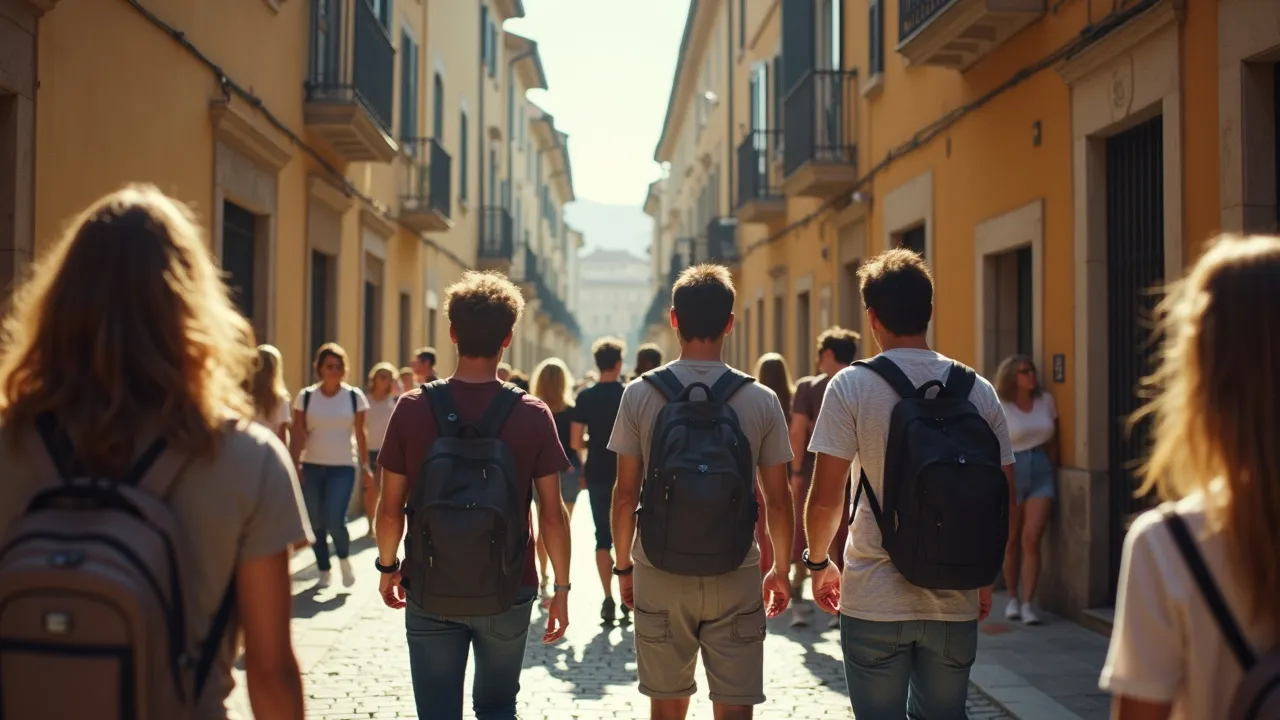
World Tourism Day, celebrated on September 27th, highlights the social, cultural, and economic significance of tourism globally. It promotes sustainable travel practices and fosters understanding among cultures.
The Historical Origins & Evolutionary Journey
World Tourism Day (WTD) was established by the United Nations World Tourism Organization (UNWTO) in 1979, with the first official celebration taking place on September 27th, 1980. The date was chosen to commemorate the adoption of the UNWTO Statutes on September 27, 1970, marking a pivotal moment in global tourism governance.
The Foundational Catalyst
The late 20th century saw a dramatic expansion in international travel, driven by jet aviation, rising incomes, and liberalized visa policies. However, rapid growth also brought challenges: environmental degradation, cultural commodification, and economic leakage. The UNWTO recognized the need for a dedicated day to raise awareness about tourism's role as a driver of socioeconomic progress while advocating for responsible practices.
The Legislative/Official Adoption
In 1979, the UNWTO General Assembly at Torremolinos, Spain, officially proclaimed September 27 as World Tourism Day. The resolution called on member states to organize events highlighting tourism's contributions. Over the following decades, the observance gained traction, with countries like India, France, and Kenya hosting flagship celebrations.
Modern Global Legacy
Today, World Tourism Day is marked by conferences, cultural festivals, free museum admissions, and community-led tours across over 100 countries. Each year features a specific theme—for instance, "Tourism and Rural Development" (2020) or "Rethinking Tourism" (2022)—to focus global attention on pressing issues. The UNWTO also produces a annual report assessing tourism's alignment with the Sustainable Development Goals (SDGs).
How to Celebrate World Tourism Day
World Tourism Day is an opportunity for everyone—travelers, businesses, governments, and communities—to reflect on tourism's impact and commit to positive change. Below are actionable ways to participate globally and locally.
Individual Actions
- Travel sustainably: Choose eco-certified accommodations, offset carbon emissions, and avoid single-use plastics.
- Support local economies: Buy handicrafts directly from artisans, eat at family-owned restaurants, and hire local guides.
- Share your stories: Post on social media using #WorldTourismDay to inspire others and highlight hidden gems.
School & Community Activities
- Organize a cultural fair showcasing diverse cuisines, music, and dances.
- Host a documentary screening about responsible tourism followed by a discussion.
- Plan a neighborhood walking tour to appreciate local heritage and green spaces.
Corporate & Government Initiatives
- Businesses: Offer discounts or special packages that promote off-season travel to reduce overtourism.
- Governments: Launch campaigns to improve tourism infrastructure and enforce sustainability regulations.
- NGOs: Lead clean-up drives in tourist hotspots or tree-planting projects near attractions.
From Japan's "omotenashi" hospitality to Italy's albergo diffuso (scattered hotel) model, World Tourism Day encourages blending profit with purpose. In 2023, over 50 countries held free entry to national parks and museums, demonstrating the day's inclusive spirit.
Global Impact of Tourism
Tourism is one of the world's largest industries, accounting for over 10% of global GDP and 1 in 10 jobs pre-pandemic. Its reach extends far beyond economics: it fosters cross-cultural understanding, preserves heritage, and can catalyze environmental conservation when done right.
Economic Contributions
According to the UNWTO, international tourist arrivals reached 1.5 billion in 2019, generating $1.7 trillion in export earnings. Developing nations rely heavily on tourism as a source of foreign exchange—for instance, tourism represents over 30% of GDP in countries like the Maldives and Seychelles. World Tourism Day emphasizes the need for tourism to empower local communities through fair wages and inclusive supply chains.
Social & Cultural Exchange
Travel breaks down stereotypes and builds empathy. The day promotes initiatives like homestays and community-based tourism, where visitors learn directly from hosts. Events such as the Global Tourism Forum on September 27 often feature panels on cultural diplomacy and peace-building through travel.
Environmental Challenges
Unchecked tourism contributes to carbon emissions (about 8% of global total), water scarcity, and waste. World Tourism Day highlights solutions: promoting rail over air travel, implementing visitor caps at fragile sites, and financing protected areas through entrance fees. The Global Sustainable Tourism Council (GSTC) criteria are often referenced as benchmarks for responsible operations.
Sustainable Tourism Practices
Sustainability is the central theme of many World Tourism Day celebrations. The UNWTO defines sustainable tourism as tourism that takes full account of its current and future economic, social, and environmental impacts.
Key Principles
- Environmental integrity: Minimizing waste, conserving biodiversity, and reducing carbon footprint.
- Social equity: Ensuring local communities benefit from tourism and have a voice in decisions.
- Economic viability: Creating stable, long-term jobs and supporting local entrepreneurship.
Best Practices in Action
- Costa Rica's ecotourism model, where lodges are rainforest-certified and revenue funds conservation.
- Bhutan's "High Value, Low Impact" policy: a daily sustainable development fee limits mass tourism while funding free healthcare and education.
- Amsterdam's "Stay Away" campaign redirecting tourists from overcrowded areas to lesser-known neighborhoods.
World Tourism Day serves as a platform to launch new sustainability standards, such as the Glasgow Declaration on Climate Action in Tourism (signed by over 600 organizations in 2021). Individuals can contribute by choosing tour operators with Travelife or Green Key certifications.
Tourism and Cultural Exchange
One of tourism's greatest gifts is the opportunity for genuine cultural exchange. World Tourism Day celebrates how travel can preserve intangible heritage—from flamenco in Spain to batik in Indonesia—while fostering mutual respect.
Protecting Heritage
Tourism revenue directly supports the upkeep of UNESCO World Heritage sites like Machu Picchu and Angkor Wat. However, overtourism threatens these treasures. The day advocates for carrying capacity measures and visitor education. For example, in 2023, Venice introduced a booking system and day-tripper fee to manage crowds.
Cultural Immersion Programs
Many destinations offer workshops in traditional crafts, cooking classes, or language lessons. World Tourism Day spotlights initiatives like "World Tourism Network" that connect travelers with indigenous guides. Such experiences generate income for remote villages and keep ancient skills alive.
Challenges & Solutions
Cultural commodification—where traditions are altered for tourist consumption—must be avoided. The day promotes ethical photography protocols (e.g., asking permission before photographing people) and education on local customs. Responsible travel agencies now include cultural sensitivity briefings in their itineraries.
The Future of World Tourism
As the world recovers from the COVID-19 pandemic, World Tourism Day provides a chance to reimagine the sector. The UNWTO's theme for 2024, "Tourism and Peace," underscores travel's potential to unite divided communities.
Technology & Innovation
Digital tools like VR previews, AI-powered itinerary planners, and blockchain for transparent booking are reshaping travel. World Tourism Day events often feature tech exhibitions showcasing start-ups focused on reducing tourism's footprint. The rise of "slow travel"—taking longer trips to immerse deeply—gains traction as an antidote to burnout.
Inclusive & Accessible Tourism
Future tourism must be accessible to all, including people with disabilities, seniors, and budget travelers. The UNWTO's "Accessible Tourism" guidelines urge destinations to provide ramps, sign language interpreters, and affordable accommodation. World Tourism Day 2025 will focus on "Tourism for All."
Climate Resilience
With extreme weather events increasing, the tourism industry must adapt. World Tourism Day promotes disaster risk reduction strategies, such as diversifying seasons and investing in green infrastructure. Destinations like the Maldives are building artificial reefs to protect shorelines and sustain dive tourism.
Historical Timeline
September 27: The UNWTO Statutes are adopted, laying the foundation for global tourism governance.
The UNWTO General Assembly officially proclaims September 27 as World Tourism Day.
First official World Tourism Day celebrated with the theme 'Tourism's Contribution to the Preservation of Cultural Heritage and to Peace and Mutual Understanding'.
UNWTO introduces annual themes to address contemporary issues; first theme: 'Tourism and Water'.
World Tourism Day focuses on 'Tourism – Linking Cultures', promoting cultural exchange.
Theme 'Tourism and Rural Development' highlights the role of tourism in revitalizing rural economies during COVID-19.
Theme 'Rethinking Tourism' calls for a more sustainable and inclusive tourism model post-pandemic.
Theme 'Tourism and Peace' emphasizes travel's capacity to foster global harmony.