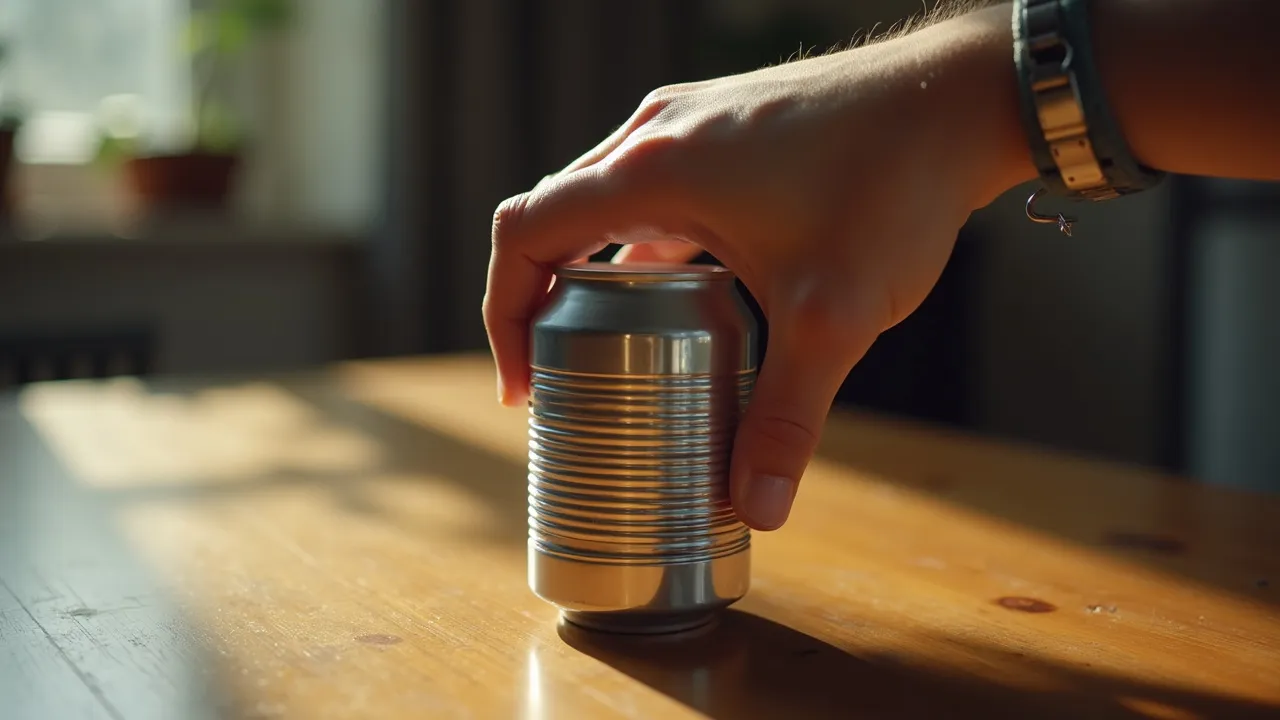
National Crush a Can Day, observed on September 27th, encourages recycling by smashing empty cans. This day promotes environmental awareness and the benefits of aluminum recycling for a sustainable future.
The Historical Origins & Evolutionary Journey
National Crush a Can Day was established in 2014 through a joint initiative by the Aluminum Association and Keep America Beautiful, aiming to boost recycling rates for aluminum cans. The day was strategically placed on September 27th to coincide with fall recycling drives and to remind consumers to recycle after summer gatherings.
The Foundational Catalyst
The modern aluminum can, introduced in 1959, revolutionized beverage packaging. However, by the early 2000s, recycling rates stagnated. The Aluminum Association, recognizing that recycling one can saves enough energy to power a TV for three hours, sought a fun, engaging way to promote this. Crushing a can became a symbolic act—reducing volume to illustrate the efficiency of recycling.
The Legislative/Official Adoption
In 2013, a pilot program in ten U.S. cities demonstrated that a dedicated day increased can collection by 15%. The official proclamation of September 27th came in 2014, endorsed by recycling coordinators across 30 states. The date was chosen to avoid overlap with Earth Day (April) and America Recycles Day (November).
Modern Global Legacy
Today, National Crush a Can Day is recognized in over 15 countries, including Canada, Australia, and parts of Europe. It spawns community events, school competitions, and corporate challenges, all centered on the simple act of crushing a can. The day has evolved into a broader message about circular economy and resource conservation.
How to Celebrate National Crush a Can Day
National Crush a Can Day offers a range of activities for individuals, schools, and organizations. Below are definitive strategies observed globally.
Individual Actions
- Crush and Collect: After crushing cans with your foot or a crusher, place them in designated recycling bins. Ensure cans are empty and rinsed.
- Social Media Challenge: Post a video crushing a can with hashtag #CrushACanDay to inspire others. Challenge friends to beat your crushing count.
School & Educational Programs
- Organize a Can Crushing Contest where students compete to crush the most cans in one minute. Use the crushed cans for art projects or math lessons on volume reduction.
- Host a Recycling Drive with a goal to collect 1,000 pounds of aluminum. Reward the winning class with a pizza party.
Corporate & Community Events
Companies can sponsor Community Clean-Up + Crush events, where volunteers pick up litter and crush the cans found. Many recycling centers offer discounts or bonuses for cans dropped off on this day. In Japan, some cities host Can-Crushing Festivals with music and food stalls, promoting local recycling initiatives.
Environmental Impact & Recycling Statistics
Crushing a can is not just fun—it's an environmental necessity. Aluminum is 100% recyclable, and recycled cans can be back on shelves in as little as 60 days. Yet, in the U.S., only about 50% of aluminum cans are recycled, far below the 75% rate achieved in countries like Sweden and Germany.
Energy Savings
Recycling one can saves 95% of the energy needed to produce a new one from raw ore. That energy saving is enough to run a 100-watt bulb for four hours or a laptop for a full day. National Crush a Can Day amplifies this message by making the act tangible.
Material Efficiency
Crushing reduces can volume by up to 70%, allowing trucks to carry more material per trip, cutting fuel emissions. This simple act directly reduces the carbon footprint of collection and transportation.
Global Comparison
In Brazil, recycling rates exceed 95% due to strong buy-back programs. National Crush a Can Day in Brazil involves street collectors who crush cans at collection points, maximizing their earnings. By contrast, developing countries like India use the day to launch door-to-door collection campaigns.
Innovations in Can Design & Crushing Technology
Aluminum cans have evolved significantly since their inception. Early cans were cone-shaped with soldered seams; today's two-piece cans are lighter and stronger. National Crush a Can Day also highlights innovations in can crushing technology.
Manual Can Crushers
Wall-mounted crushers from brands like Can Crusher Master allow users to crush multiple cans quickly. The design reduces hand fatigue and safely stores crushed cans for recycling.
Industrial Balers & Densifiers
Recycling facilities use hydraulic balers to compress whole bales of cans. On Crush a Can Day, many facilities host open houses demonstrating these machines, emphasizing how a single crushed can becomes part of a larger cycle.
Smart Crushers
New IoT-enabled crushers track the number of cans crushed and reward users with digital points redeemable for coupons. These devices sync with apps to promote daily recycling habits beyond September 27th.
Cultural Significance & Global Traditions
Different cultures embrace Crush a Can Day with unique traditions. In South Korea, the day is linked to "Can Art" competitions, where crushed cans are used to create sculptures. In Germany, the day coincides with Pfandtag (deposit day), as many bottles and cans carry a deposit refund. Citizens crush and return containers for cash.
Australia's 'Cans for Charity'
Australian schools participate by crushing cans and selling them to scrap yards, donating proceeds to wildlife conservation. This combines environmental action with social responsibility.
Mexico's Latin Twist
In Mexico, families gather for "Noche de Latas" (Can Night), where they compete to see who can crush the most cans after a barbecue. The crushed cans are then turned into community recycling bins decorated with local art.
The unifying theme is turning an ordinary household chore into a celebratory act of environmental stewardship.
Future Outlook & Sustainability Goals
National Crush a Can Day is poised to grow as sustainability takes center stage. The Aluminum Association aims to increase U.S. recycling rates to 75% by 2030, with the day functioning as a catalyst.
Legislative Support
Several states are considering expanding bottle deposit laws to include all aluminum containers, which would boost the impact of Crush a Can Day. In 2023, Colorado piloted a 10-cent deposit, leading to a 20% increase in can collection during the September event.
Corporate Commitments
Major beverage companies like Coca-Cola and PepsiCo now sponsor Crush a Can Day events, offering discounts on beverages purchased in aluminum packaging. Their goal is to align with consumer demand for sustainable packaging.
Educational Outreach
The day increasingly features in school curricula, teaching children about materials science and the carbon cycle. By 2025, it is expected to be integrated into standard environmental science courses across the U.S.
Historical Timeline
The modern two-piece aluminum can is commercialized by Coors and Reynolds Metals, revolutionizing beverage packaging.
The Aluminum Association launches the 'Can Revolution' campaign to promote recycling, setting the stage for a dedicated awareness day.
A pilot 'Crush a Can' event in ten U.S. cities boosts can recycling by 15% during September, leading to official proposals.
National Crush a Can Day is established on September 27th by the Aluminum Association and Keep America Beautiful.
Canada adopts the day, with Toronto hosting the largest can-crushing contest, where 50,000 cans are crushed in two hours.
Global expansion: Australia, the UK, and Japan join the observance, each with unique local traditions.
During the pandemic, virtual crushing challenges trend on social media; participants crush cans at home and post videos.
Smart crushers debut, integrating app-based tracking and rewards, making the day more interactive.