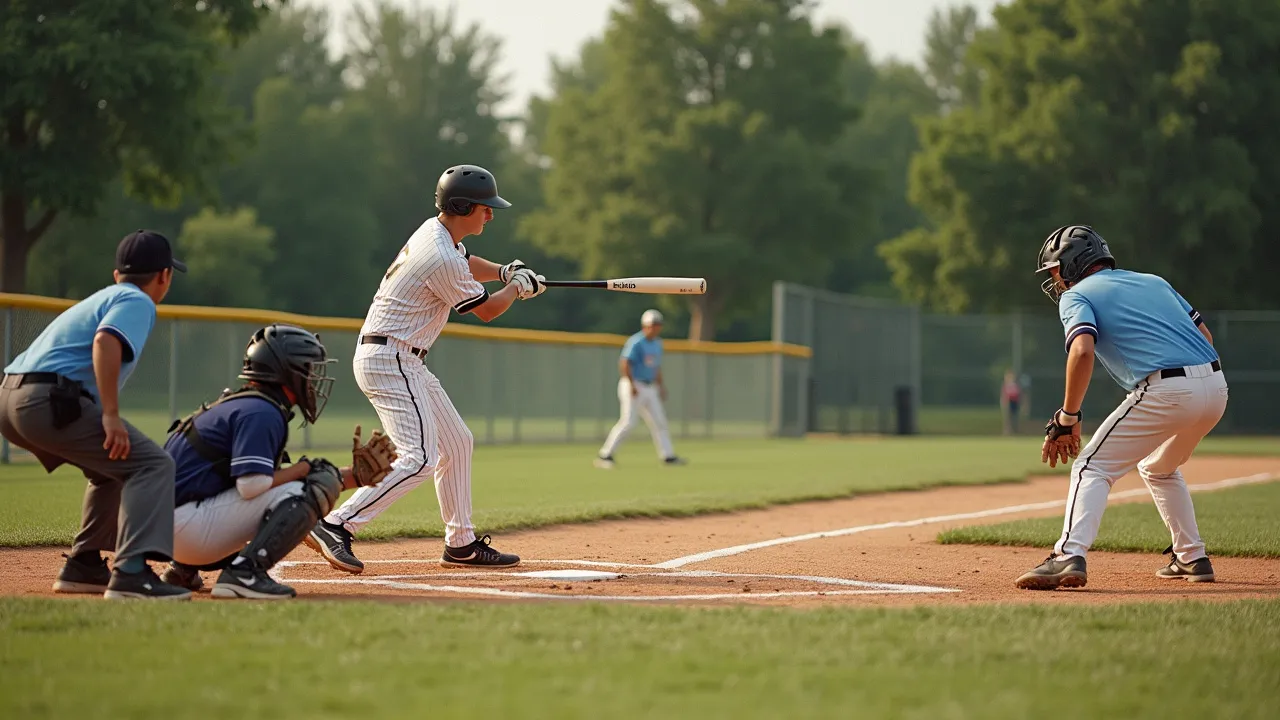
World Softball Day on June 13th celebrates the beloved sport of softball, its rich history, and global community. Join players and fans worldwide in honoring a game that promotes teamwork, fitness, and fun for all ages.
The Historical Origins & Evolutionary Journey
World Softball Day is celebrated annually on June 13th, a date chosen by the International Softball Federation (ISF) to honor the sport's global impact and its founding as a modern organized game. The observance was first held in 2005, marking a century of softball's evolution from an indoor variant of baseball to a worldwide athletic phenomenon.
Foundational Catalyst: Birth of Softball
The sport originated in 1887 as an indoor baseball game played at the Farragut Boat Club in Chicago. George Hancock, a journalist, is credited with inventing the first version using a boxing glove as a ball and a broomstick as a bat. The game quickly spread under various names: "indoor baseball," "kitten ball," and "mush ball." By the 1920s, rules were standardized, and the name "softball" was officially adopted in 1926.
Legislative & Official Adoption
The Amateur Softball Association (ASA) was founded in 1933 to govern the sport in the United States. Softball became an Olympic sport in 1996, debuting at the Atlanta Games. The ISF established World Softball Day in 2005 to promote the sport globally and commemorate its rich heritage. Today, more than 130 national federations are members of the World Baseball Softball Confederation (WBSC).
Modern Global Legacy
Softball's inclusion in the Olympics—returning in 2020 after a hiatus—solidified its international prestige. World Softball Day now features tournaments, clinics, and community events across every continent, emphasizing inclusivity and youth participation. The day also highlights the sport's role in advancing gender equality, with fast-pitch softball being one of the most popular women's sports worldwide.
How to Celebrate World Softball Day
World Softball Day offers countless ways for individuals, teams, and organizations to honor the sport. Below are actionable strategies for celebrating effectively.
For Individuals and Families
- Play a Pickup Game: Gather friends, family, or neighbors for a relaxed game at a local park or diamond. Use slow-pitch rules to include players of all ages.
- Attend a Local Tournament: Check community calendars for league games or charity tournaments held on June 13th. Cheer from the stands or volunteer as an umpire.
- Share Stories on Social Media: Post photos, videos, or memories using #WorldSoftballDay. Tag former teammates and coaches to rekindle connections.
For Schools and Youth Organizations
- Host a Skills Clinic: Invite local coaches or college players to teach batting, fielding, and base running. Focus on fundamentals and sportsmanship.
- Organize a Round-Robin: Create mixed-grade teams and play abbreviated games. Award prizes for teamwork and enthusiasm.
For Corporate and Community Groups
- Sponsor a Field Clean-Up: Rally volunteers to repair mounds, repaint lines, and upgrade dugouts. Donate equipment to underfunded programs.
- Launch a Fundraising Game: Charge entry fees or solicit pledges per home run. Proceeds benefit local youth leagues or cancer research.
Global Traditions
In Japan, World Softball Day is marked by televised exhibition games between corporate leagues. Australia hosts the annual Masters Games, while Latin American countries like Venezuela and Mexico hold intercity championships. The WBSC also coordinates a worldwide social media campaign to share highlight reels from member nations.
Softball's Global Impact: Culture & Community
Softball transcends borders, fostering social bonds and economic benefits. On World Softball Day, we recognize its profound influence.
Grassroots Development
In underserved regions, softball programs promote physical literacy and gender equity. Organizations like WBSC's Baseball5 initiative adapt the game for urban spaces, requiring minimal equipment. Africa has seen rapid growth, with countries like Uganda and Botswana fielding competitive teams.
Economic Engine
The softball industry supports manufacturers of bats, gloves, and protective gear. Major events like the Women's Softball World Cup generate tourism revenue and media exposure. Local tournaments boost small businesses—hotels, restaurants, and sporting goods stores.
Inclusivity and Diversity
Softball embraces players of all abilities. Adaptive softball for athletes with physical disabilities uses modified rules and wheelchairs. The sport also leads in LGBTQ+ inclusion, with many leagues offering safe spaces. World Softball Day amplifies these initiatives through partner events.
Health and Fitness Benefits of Softball
Playing softball offers comprehensive physical and mental health advantages, making World Softball Day an ideal time to start.
Physical Conditioning
- Cardiovascular Endurance: Running bases, chasing fly balls, and sprinting improve heart health.
- Strength and Power: Swinging a bat and throwing develop upper-body and core muscles.
- Agility and Coordination: Fielding grounders and reacting to pitches sharpen reflexes.
Mental Well-Being
Team sports reduce stress and anxiety through social interaction and endorphin release. Strategic aspects—anticipating plays, adjusting swings—enhance cognitive function. The communal aspect builds support networks and boosts self-esteem.
Softball Equipment and Technology Evolution
From broomsticks to high-tech alloys, equipment evolution mirrors the sport's growth. On World Softball Day, we look at innovations.
Bats
Early bats were wooden; today's standards include aluminum, composite, and hybrid materials. Regulations limit barrel diameter and weight-to-length ratios. Advanced engineering optimizes trampoline effect while maintaining safety.
Gloves
Gloves have evolved from basic leather mitts to position-specific patterns. Infielders prefer shallow pockets for quick transfers; outfielders use deeper pockets for secure catches. Break-in processes use steam and mallet conditioning.
Protective Gear
Batting helmets with face guards, catcher's masks, and shin guards have improved safety. Fast-pitch pitchers now wear protective masks after injuries. Rule changes mandate certain gear at youth levels.
Notable Personalities and Milestones in Softball
World Softball Day honors pioneers who shaped the sport.
Legends
- George Hancock: Inventor of softball (1887).
- Dot Richardson: Two-time Olympic gold medalist (1996, 2000) and orthopedic surgeon.
- Jennie Finch: Iconic pitcher and ambassador for women's sports.
Key Milestones
- 1933: First national championship tournament at the Chicago World's Fair.
- 1996: Softball debuts as an Olympic sport.
- 2005: First World Softball Day.
- 2020: Softball returns to Olympics after 12-year hiatus.
Historical Timeline
George Hancock invents indoor baseball at the Farragut Boat Club in Chicago, using a boxing glove and broomstick.
The name 'softball' is officially adopted at a meeting of the International Joint Rules Committee.
The Amateur Softball Association (ASA) is founded to govern the sport in the US. First national tournament held at the Chicago World's Fair.
The International Softball Federation (ISF) is formed to govern the sport globally.
Softball makes its Olympic debut at the Atlanta Games. USA women's team wins gold.
First World Softball Day celebrated on June 13th, established by the ISF.
The ISF merges with the International Baseball Federation to form the World Baseball Softball Confederation (WBSC).
Softball returns to the Olympics in Tokyo after a 12-year absence, with Japan winning gold.
WBSC launches Baseball5, a street-friendly version, to grow participation.