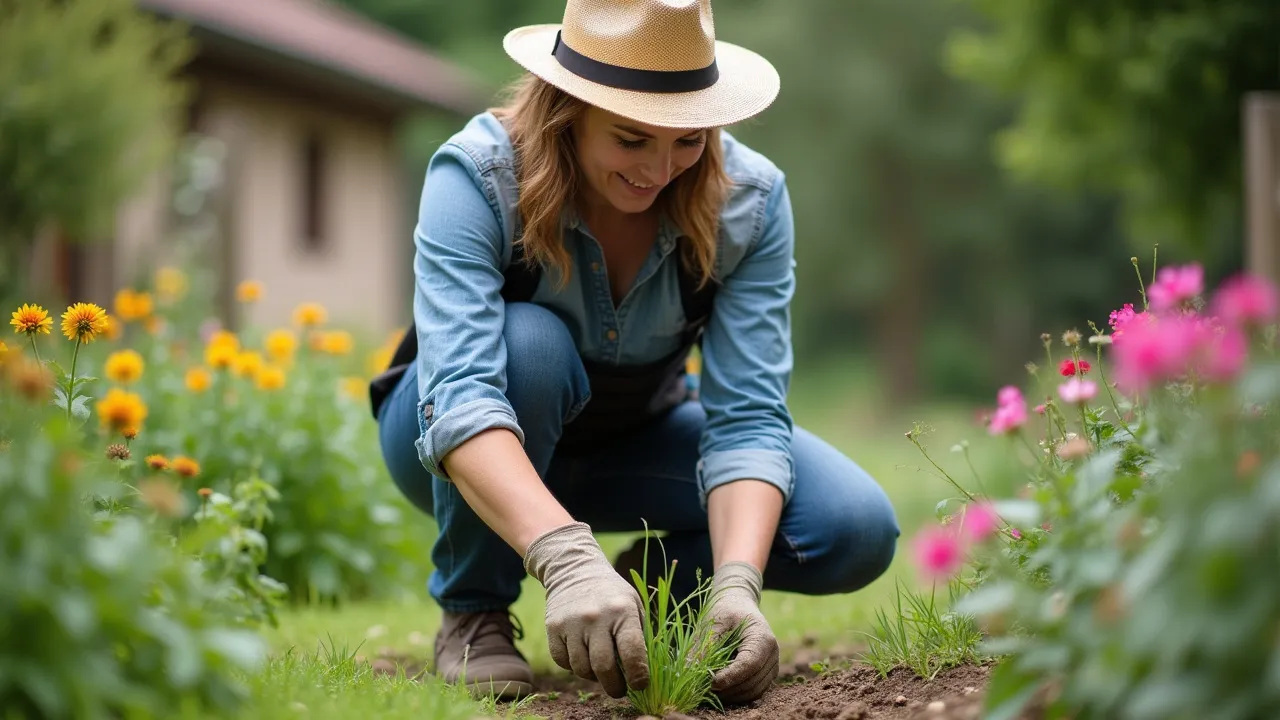
Celebrated annually on June 13th, National Weed Your Garden Day encourages gardeners to tackle unwanted plants and learn proper weeding techniques. This day promotes garden health, beauty, and the joy of nurturing your outdoor space.
The Historical Origins & Evolutionary Journey
National Weed Your Garden Day, observed on June 13th, was established in 2005 by the National Gardening Association (NGA) to promote the essential practice of weeding as a key component of garden maintenance. The date was chosen to align with the peak growing season in most temperate regions, when weeds are most vigorous and require timely removal.
The Foundational Catalyst
The idea emerged from a combination of factors: the rising popularity of home gardening, increased awareness of invasive plant species, and the need for a dedicated day to educate the public about sustainable weed management. The NGA recognized that many novice gardeners struggled with weed identification and removal, often resorting to harsh chemicals. The day was conceived as a gentle, educational push towards manual and organic methods.
The Official Adoption
Initially a grassroots campaign, the day gained official recognition when the NGA launched a nationwide initiative in 2005, partnering with local garden clubs, extension offices, and community gardens. The first celebration included weeding workshops, tool demonstrations, and a "weed swap" where gardeners could exchange invasive plants for native alternatives. By 2010, the day had spread to Canada and parts of Europe.
Modern Global Legacy
Today, National Weed Your Garden Day is observed across North America, Europe, Australia, and New Zealand. It has evolved to include digital components like online webinars and social media challenges (#WeedYourGardenDay). The day also serves as a platform to discuss broader topics such as pollinator-friendly weeding, soil health, and the environmental impact of herbicides.
How to Celebrate National Weed Your Garden Day
Whether you are a seasoned gardener or a beginner, there are many meaningful ways to participate. Below is a comprehensive guide to celebrating effectively and joyfully.
Step-by-Step Action Plan
- Identify Your Weeds: Before pulling, learn to distinguish between harmful invasives and beneficial natives. Use a field guide or app.
- Choose the Right Tools: Equip yourself with a sturdy weeding knife, a hand fork, and a kneeling pad. For larger areas, consider a hoe or a flame weeder.
- Water First: If the soil is dry, water the area an hour before weeding. This loosens roots and makes removal easier.
- Pull at the Root: Grasp the weed at the base and pull slowly to ensure the entire root comes out. Use a dandelion digger for taproots.
- Dispose Properly: Do not compost weeds that have gone to seed. Bag them or dispose of them in yard waste bins.
- Mulch Afterward: Apply a 2-3 inch layer of organic mulch to suppress future weed growth and retain moisture.
Engaging the Community
- Organize a Neighborhood Weed-Out: Gather friends and neighbors to tackle a shared space like a community garden or park. Provide tools and refreshments.
- Host a Weed Identification Walk: Local botanists or master gardeners can lead a walk to teach participants about common weeds and their ecological roles.
- Schools and Youth Groups: Create educational stations where children learn about weed life cycles and practice safe weeding techniques.
- Businesses: Encourage employees to take a "weed break" during lunch hour, or sponsor a local garden club's weeding project.
Global Traditions
While the day is most prominent in the United States, other regions have adopted unique practices: In the UK, gardeners often combine weeding with a traditional afternoon tea. In Japan, the day coincides with the start of the rainy season (tsuyu), and many tend to their moss gardens with careful hand-weeding. In Australia, where June marks the beginning of winter, gardeners focus on removing summer weeds that have died back and preparing beds for cool-season crops.
The Benefits of Regular Weeding
Weeding is more than just a cosmetic chore; it provides numerous benefits for your garden and the environment.
Garden Health
Weeds compete with cultivated plants for water, nutrients, light, and space. By removing them, you reduce competition and improve the vigor of your flowers, vegetables, or herbs. Additionally, many weeds harbor pests and diseases such as aphids, whiteflies, or fungal spores. Regular weeding disrupts these life cycles.
Soil Quality
Hand-pulling weeds aerates the soil and encourages beneficial microbial activity. The act of weeding also allows you to monitor soil moisture and structure. As you remove weeds, you can incorporate organic matter or top-dress with compost.
Environmental Impact
Manual weeding eliminates the need for chemical herbicides, which can leach into waterways and harm non-target organisms like bees and earthworms. Promoting natural weed management supports biodiversity and reduces your garden's carbon footprint.
Personal Well-being
Gardening, including weeding, is a proven stress reliever. The repetitive motion and focus on a task can be meditative. The sense of accomplishment from a clean garden bed boosts mental health and encourages outdoor physical activity.
Essential Weeding Tools & Techniques
Having the right tools makes weeding efficient and easier on your body. Below are the most recommended tools and techniques.
Hand Tools
- Cape Cod Weeder: A long, thin blade ideal for slicing weeds just below the soil surface.
- Dandelion Digger: A forked tool designed to remove deep taproots.
- Hori Honi Knife: A Japanese gardening knife perfect for precision weeding and cutting.
- Kneeling Pad: Reduces strain on knees during prolonged weeding.
Standing Tools
- Stirrup Hoe (Scuffle Hoe): Works just beneath the soil surface, cutting weeds while leaving soil undisturbed.
- Draw Hoe: Good for making furrows and chopping larger weeds.
- Flame Weeder: Uses propane to kill weeds by shocking them with heat. Best for paths and driveways.
Techniques for Minimal Effort
- Weed After Rain: Soil is softer, making roots easier to pull.
- Mulch Heavily: Prevents weed seeds from germinating.
- Use a Pre-Emergent: Corn gluten meal is a natural organic option that stops seed germination.
- Solarization: Covering soil with clear plastic in summer to cook weeds and seeds.
Environmental & Ecological Significance
National Weed Your Garden Day is not just about garden aesthetics; it carries profound environmental implications.
Invasive Species Management
Many common garden weeds are non-native invasive species that can escape into wild areas and disrupt local ecosystems. By removing them, gardeners act as the first line of defense against biological invasions. For example, removing garlic mustard or Japanese knotweed prevents them from spreading to forests and wetlands.
Pollinator Protection
Some so-called weeds, like dandelions and clover, are vital early-season food sources for bees and butterflies. The day encourages selective weeding: leaving these beneficial plants while targeting truly harmful species. The NGA recommends a "wait-and-see" approach before pulling any unfamiliar plant.
Reducing Chemical Runoff
Herbicides are a major source of water pollution. A single application of glyphosate can persist in soil and water. National Weed Your Garden Day promotes manual and organic alternatives, thereby reducing the overall chemical load on the environment.
Carbon Sequestration
Healthy, weed-free soil with good structure can store more carbon. Weeding and aerating the soil, followed by mulching, increases organic matter and enhances the garden's role as a carbon sink.
Cultural & Social Dimensions of Weeding
Weeding has deep cultural roots and social significance across the world.
Historical Practices
In many ancient agricultural societies, weeding was communal work. The Roman writer Cato the Elder wrote about the importance of weeding vineyards. In traditional Chinese gardens, removing weeds was considered a meditative practice that connected the gardener with nature.
Modern Social Movements
Community weeding events have become a way to build neighborhood bonds and support food security. Urban gardens, school gardens, and hospital gardens often host weeding days as a form of therapy and education. The concept of "care farming" uses weeding and other garden tasks to improve mental and physical health.
Digital Engagement
Social media has transformed the day into a global conversation. The hashtag #WeedYourGardenDay trends annually, with gardeners sharing before-and-after photos, tips, and recipes that use edible weeds like purslane and lamb's quarters.
Advanced Weed Management Strategies
For those ready to go beyond basic pulling, here are advanced strategies to maintain a virtually weed-free garden.
Integrated Weed Management (IWM)
Borrowing from agriculture, IWM combines cultural, mechanical, biological, and chemical (only as last resort) methods. For example, planting cover crops like buckwheat suppresses weeds, then tilling them under adds nutrients. Using landscape fabric or cardboard as a mulch barrier is another mechanical method.
Biological Controls
Introduce beneficial insects or animals that feed on specific weeds. Goats are famous for clearing brush, and certain beetles can control invasive thistles. Always check local regulations before introducing non-native species.
No-Dig Gardening
This method minimizes soil disturbance, which brings weed seeds to the surface. By layering compost directly on top of soil, you create a rich bed where weeds struggle to germinate. No-dig gardens are increasingly popular among permaculture enthusiasts.
Precision Weeding with Technology
New tools like robotic weeders and smartphone apps that identify weeds via AI are making the task easier. For the home gardener, a simple soil solarization using clear plastic remains one of the most effective non-chemical techniques.
Historical Timeline
The National Gardening Association officially establishes National Weed Your Garden Day on June 13th, launching a national campaign with workshops and tool demonstrations.
The day gains recognition from the Association of Professional Landscape Designers, who promote the event to their members.
Canada and the United Kingdom adopt the observance; the first international 'Weed Your Garden' events are held in Toronto and London.
The NGA partners with the EPA to promote herbicide-free weeding practices, distributing educational materials to 10,000 community gardens.
Social media campaign #WeedYourGardenDay trends on Twitter for the first time, with over 50,000 posts.
Australia and New Zealand join the celebration, adapting it to their Southern Hemisphere growing season (winter weeding for cool-season crops).
During the COVID-19 pandemic, virtual workshops and online weed identification challenges see a surge in participation, with over 1 million engagements.
The day is officially recognized by the United Nations Food and Agriculture Organization (FAO) as a model for sustainable gardening practices.