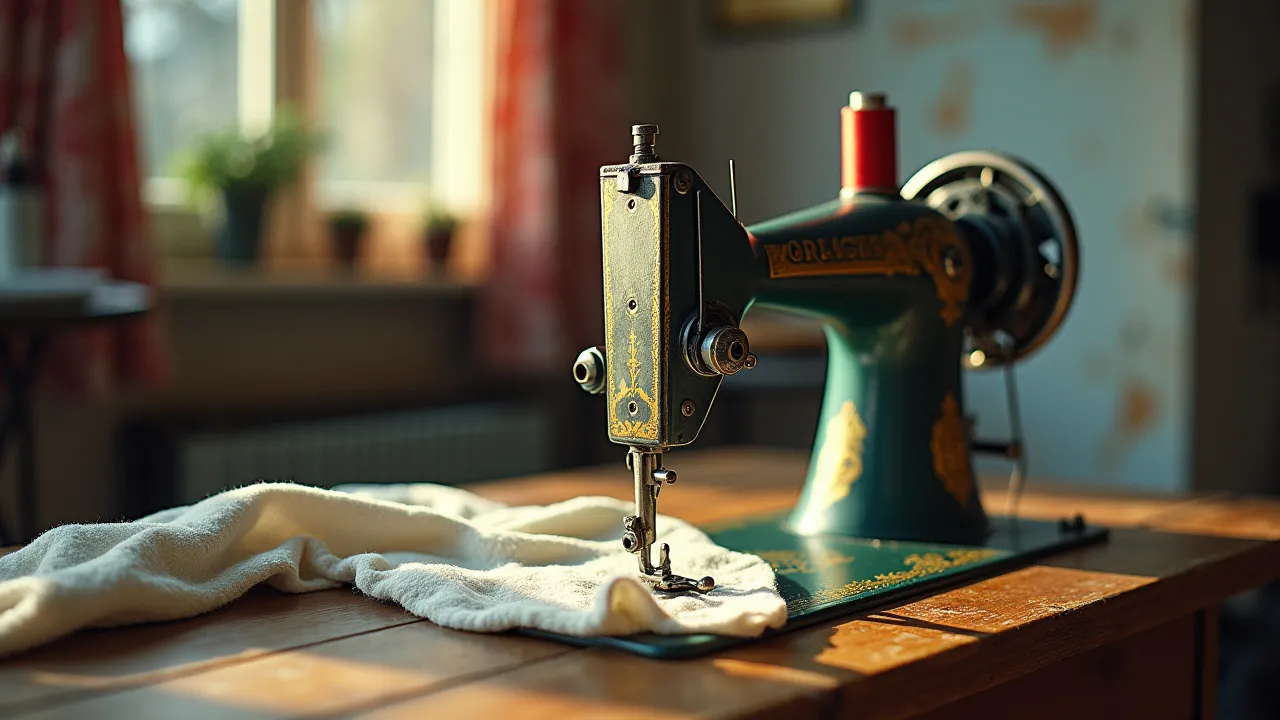
National Sewing Machine Day on June 13th celebrates the invention that revolutionized textile production and empowered home-based creativity. Honor the legacy of sewing machines with historical reflections and modern crafting.
The Historical Origins & Evolutionary Journey
National Sewing Machine Day, observed annually on June 13th, pays homage to one of the most transformative inventions in human history. The sewing machine mechanized stitching, drastically altering textile production and domestic life. This section traces its remarkable journey from early prototypes to a global icon of innovation.
The Foundational Catalyst
The first functional sewing machine was invented by Barthelemy Thimonnier in 1830, a French tailor who patented a machine that used a hooked needle and a chain stitch. However, his workshop was destroyed by angry tailors fearing unemployment. In 1846, Elias Howe patented a lockstitch machine in the United States, but struggled to market it. Then Isaac Merritt Singer improved upon Howe's design, adding a foot pedal and an up-and-down needle motion, and began mass production in 1851. A legal battle over patent rights ensued, leading to the 'Sewing Machine War,' which eventually resulted in the first patent pool in 1856, allowing multiple manufacturers to produce machines without infringement.
The Legislative/Official Adoption
While there is no single legislative act establishing National Sewing Machine Day, it likely emerged as a grassroots commemoration by sewing enthusiasts and historical societies. The date June 13th may honor the birthday of an influential figure or a key patent. Notably, June 13, 1851, marked the founding of the Singer Sewing Machine Company, though other sources attribute the day to Elias Howe's patent date. Regardless, the day has been celebrated informally for decades, with official recognition by some sewing organizations. It became a staple in craft calendars across the U.S. via online platforms and fabric store promotions.
Modern Global Legacy
Today, sewing machines are ubiquitous—from industrial factories producing apparel to hobbyists crafting bespoke garments. The observance encourages both historical reflection and hands-on participation. Many museums hold special exhibits, and sewing centers offer free workshops. The day also highlights the role of sewing in sustainable fashion, as people repair and upcycle clothing rather than discarding it. In developing nations, sewing machines empower economic independence, often provided through nonprofit programs. The legacy of the sewing machine is thus not just technological but deeply social and economic.
In summary, the history of National Sewing Machine Day is intertwined with the broader narrative of industrial innovation, patent battles, and the democratization of textile creation. It stands as a testament to human ingenuity and the enduring appeal of handmade craftsmanship.
How to Celebrate National Sewing Machine Day
National Sewing Machine Day offers a perfect opportunity to engage with sewing, whether you are a beginner or an expert. Below are actionable ideas tailored for individuals, schools, and organizations across the globe.
For Individuals
- Start a project: Choose a simple pattern like a tote bag or pillowcase. Many online tutorials are free. Use your own machine or borrow one from a friend.
- Repair or upcycle: Mend torn clothes, replace zippers, or transform old jeans into a denim apron. This reduces waste and extends garment life.
- Visit a sewing machine museum: Locations like the Smithsonian National Museum of American History in Washington, D.C., or the Museum of the Sewing Machine in California offer exhibits on antique models.
- Share on social media: Post photos of your projects with hashtags like #NationalSewingMachineDay or #SewingMachineDay to join a global community.
For Schools and Educational Institutions
- Host a sewing workshop: Invite a local seamstress to teach basic stitches. Provide fabric and patterns for students to create simple items.
- Organize a history lesson: Use this day to discuss the Industrial Revolution and the role of inventions. Show a documentary on the sewing machine's impact.
- Launch a service project: Students can sew pillowcases for homeless shelters or cloth bags for local food banks, combining skill-building with community service.
For Organizations and Businesses
- Offer discounts: Fabrics, patterns, and sewing machine accessories can be promoted at special prices. Online stores often run sales on June 13th.
- Host a competition: Encourage customers to submit their best sewing creations with prizes for categories like 'Most Creative Use of Fabric' or 'Best Upcycled Garment.'
- Partner with charities: Contribute a portion of sales to programs that provide sewing machines to women in developing countries, fostering economic empowerment.
No matter how you choose to celebrate, the key is to appreciate the craft and the machine that made it accessible. Whether sewing alone or with others, National Sewing Machine Day is a celebration of creativity and utility.
The Global Impact of Sewing Machines
The sewing machine is not just a tool; it is a catalyst for social and economic change worldwide. From the industrial revolution to modern-day entrepreneurship, its impact spans continents and centuries.
Economic Transformation
Before the sewing machine, garment production relied on hand stitching, which was slow and labor-intensive. The advent of the sewing machine exponentially increased productivity, enabling the rise of the ready-to-wear clothing industry in the 19th century. Factories could produce garments quickly and cheaply, making fashion accessible to the masses. This shift created millions of jobs, particularly for women who entered the workforce as seamstresses and factory workers. However, it also led to exploitation in sweatshops, prompting labor reforms and the establishment of unions.
Cultural Exchange and Traditional Craft
In many cultures, sewing machines have been adapted for traditional textiles. For example, in India, the machine is used to create intricate embroidery like zari and kutch work. In Japan, the industrial sewing machine enables the production of kimonos with precision. Meanwhile, in West Africa, tailors use sewing machines to design vibrant ankara clothing. The machine thus becomes a bridge between industrialization and cultural heritage.
Empowerment and Social Good
Nonprofit organizations like World Vision and She Is More distribute sewing machines to women in poverty, enabling them to start tailoring businesses. This income-generating activity fosters independence and education for families. In conflict zones, sewing projects offer therapeutic outlets for trauma. The global impact of the sewing machine is therefore multifaceted: it builds economies, preserves traditions, and uplifts communities.
Technological Evolution of the Sewing Machine
From hand-cranked models to computerized embroidery units, sewing machines have undergone remarkable technological advancements. This section explores the key milestones in their evolution.
Mechanical Innovations
- 1830s-1850s: Thimonnier's chain stitch, Howe's lockstitch, and Singer's practical design laid the foundation. The introduction of the treadle (foot-powered) mechanism in 1859 freed both hands for fabric manipulation.
- 1880s-1900s: Electric motors were integrated into sewing machines, though widespread adoption occurred in the 1920s. Manufacturers added features like zigzag stitching, buttonholers, and adjustable tension.
- 1960s-1980s: The rise of electronic sewing machines allowed stitch selection via buttons and later LCD screens. Brand like Bernina and Pfaff pioneered these advances.
Digital Age and Computerization
Modern sewing machines are often fully computerized, capable of embroidering intricate designs from digital files. They connect to computers via USB and can store thousands of stitch patterns. The Maker movement has also sparked interest in programmable machines that integrate with open-source software. Some models even feature automatic thread cutters, needle threaders, and one-step buttonholes. These innovations make sewing more accessible, especially for beginners.
Future Trends
The future of sewing machines lies in sustainability and customization. 3D printing may combine with sewing to create hybrid garments. Smart textiles with conductive threads can be sewn onto fabric for wearable technology. Additionally, there is a resurgence in manual machines for those seeking mindfulness in craft. The evolution of the sewing machine is far from over; it continues to adapt to the needs of a changing world.
Sewing Machine in Modern Culture and Fashion
The sewing machine has permeated popular culture, from films to fashion runways, and remains a symbol of creativity and self-expression.
In Media and Entertainment
Movies like The Dressmaker (2015) and Phantom Thread (2017) showcase the intimate relationship between seamstresses and their machines. Television shows like The Great British Sewing Bee have popularized sewing as a hobby, inspiring millions to take up the craft. Social media platforms like Instagram and Pinterest are filled with sewing communities that share tutorials, pattern hacks, and finished projects.
Fashion Industry Influence
High-end fashion houses still rely on skilled artisans using industrial sewing machines to create couture pieces. Designers like Vivienne Westwood and Alexander McQueen have acknowledged the importance of precision sewing in their collections. Meanwhile, the slow fashion movement encourages consumers to sew their own clothing as a protest against fast fashion, emphasizing quality and sustainability. Sewing machines are thus at the heart of a cultural shift toward mindful consumption.
DIY and Craft Culture
The resurgence of DIY culture has boosted sewing machine sales. Craft fairs, online marketplaces like Etsy, and local sewing studios offer platforms for makers to sell their goods. Sewing machines have also become a tool for fashion activism, with people altering clothes to express identity or make political statements. From queer fashion to body-positive modifications, the sewing machine enables personalization and empowerment.
Environmental and Sustainable Sewing
In an era of climate crisis, the sewing machine emerges as a powerful instrument for sustainability. By enabling repair, upcycling, and creation of durable goods, sewing counters the throwaway culture of fast fashion.
Reducing Textile Waste
According to the EPA, over 11 million tons of textile waste end up in landfills annually in the U.S. alone. Sewing machines allow individuals to repair torn items, alter ill-fitting clothes, and transform old shirts into quilts or bags. Many communities hold 'Repair Cafes' where volunteers use sewing machines to fix clothes for free, extending their lifespan.
Upcycling and Zero-Waste Patterns
Upcycling uses discarded materials to create new, higher-value products. For example, denim jeans can become tote bags, and silk saris can be turned into elegant jackets. Zero-waste pattern cutting, where the entire fabric is used with minimal scraps, is a growing trend facilitated by sewing machines. Designers like Timothy Westbrook specialize in upcycled fashion, demonstrating that sustainability can be stylish.
DIY Production
Homemade clothes often have a smaller carbon footprint than store-bought ones, especially if made from organic or second-hand fabric. Sewing your own wardrobe reduces demand for factory-produced garments and the associated pollution. Additionally, sewing machines enable the creation of reusable household items like cloth napkins, drawstring bags, and beeswax wraps, cutting down single-use plastics. National Sewing Machine Day thus serves as a reminder of the environmental stewardship that sewing can promote.
Economic Empowerment through Sewing
Beyond its cultural and environmental significance, the sewing machine is a proven tool for economic upliftment, especially for women and marginalized groups.
Microenterprise and Income Generation
In many developing nations, a sewing machine is a startup kit for a tailoring business. Programs like Sewing for Hope and The Sewing Machine Project donate machines to individuals, along with training. In Rwanda, women have formed cooperatives to sew school uniforms, creating stable incomes. Similarly, in Haiti, sewing initiatives have helped rebuild communities after natural disasters.
Skill Development and Job Creation
Sewing skills are highly transferable. Graduates of vocational sewing programs often find employment in garment factories, alteration shops, or start their own businesses. The global demand for skilled seamstresses remains high. Moreover, sewing machine repair and maintenance create additional job opportunities. Governments and NGOs frequently support sewing training as a pathway out of poverty.
Case Studies: Success Stories
- Kakenya's Dream (Kenya): This organization teaches Maasai girls sewing as a skill to fund their education, reducing early marriage rates.
- Marianna's Tailoring Shop (Greece): A refugee from Syria used a donated sewing machine to establish a shop in Athens, employing other displaced women.
- Self-Reliance Program (Philippines): Microfinance groups provide sewing machine loans, allowing women to produce school bags and earn money from home.
Thus, National Sewing Machine Day is not only about celebrating a mechanical invention but also recognizing its role in fostering economic independence and resilience worldwide.
Historical Timeline
English inventor Thomas Saint patents a design for a machine to stitch leather, though it is never built.
Barthelemy Thimonnier of France patents the first functional sewing machine, which uses a hooked needle and chain stitch. His factory is later destroyed by rival tailors.
Elias Howe of the United States patents the lockstitch machine, using a needle with an eye at the point. He struggles to market it initially.
Isaac Merritt Singer patents a sewing machine with a foot pedal and up-and-down needle motion, founding the Singer Manufacturing Company. This leads to the 'Sewing Machine War' over patent rights.
The first patent pool is formed, allowing Howe, Singer, and others to combine patents, ending legal battles and enabling mass production of sewing machines.
The first electrically powered sewing machine is introduced, though it takes decades for electric machines to become common in homes.
Sewing machines become affordable for the average household, with the Singer Featherweight model (221) becoming a classic.
Electronic sewing machines emerge, offering features like pattern selection and motor speed control, setting the stage for computerization.
Computerized sewing machines with LCD screens and embroidery capabilities become widely available, revolutionizing home sewing.
National Sewing Machine Day is celebrated annually on June 13th, promoting sewing as a craft, a sustainable practice, and a tool for economic empowerment worldwide.