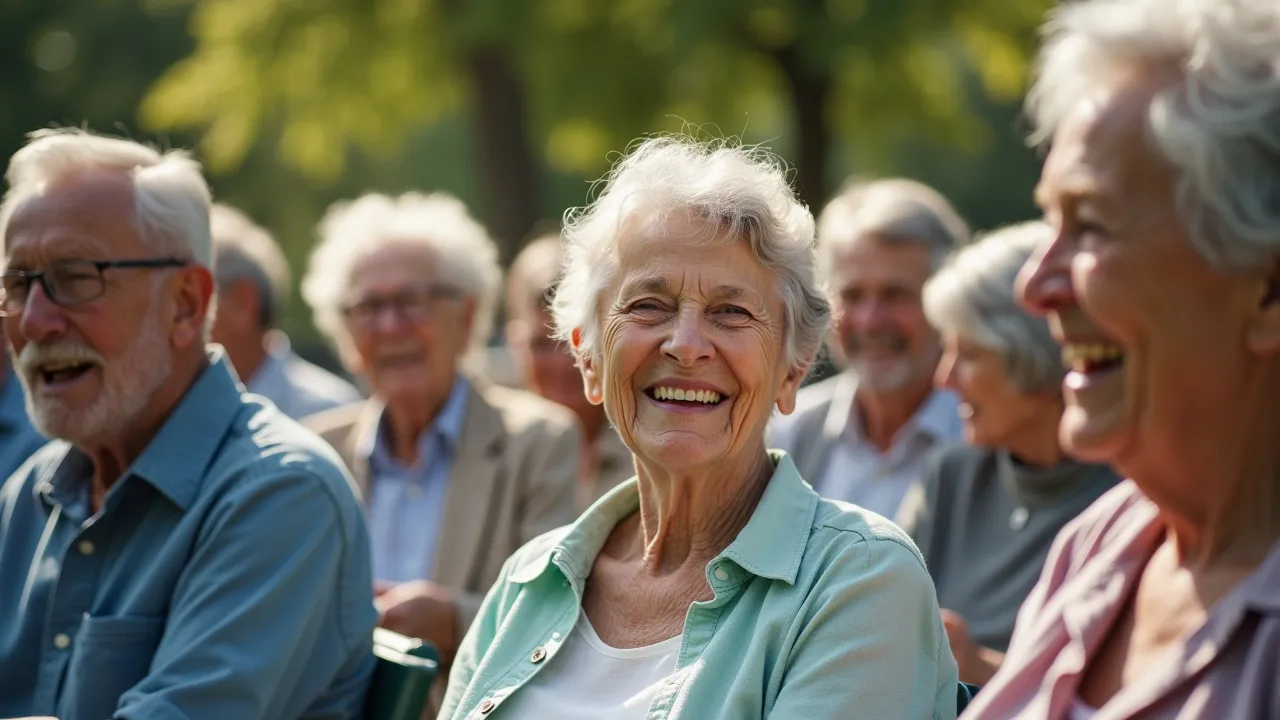
World Senior Citizen's Day, observed on August 21, honors the contributions and wisdom of elderly individuals worldwide. This day encourages appreciation, support, and awareness of issues affecting seniors, promoting active aging and intergenerational solidarity.
The Historical Origins & Evolutionary Journey
World Senior Citizen's Day, observed annually on August 21st, traces its official origins to the United States. While societies have long venerated elders, the formal recognition of senior citizens' contributions emerged in the late 20th century.
The Foundational Catalyst
During the 1980s, the growing senior demographic—fueled by the aging Baby Boomer generation—highlighted the need for societal recognition and support. Advocacy groups pushed for a day to honor elderly individuals and draw attention to issues like healthcare, retirement security, and social inclusion. The movement gained momentum as aging populations became a global phenomenon.
Legislative/Official Adoption
On August 19, 1988, President Ronald Reagan signed Proclamation 5847, designating August 21 as National Senior Citizens Day. The proclamation declared, "Throughout our history, older people have achieved much for our families, our communities, and our country. That is particularly true for those who, like President Reagan, have reached their later years." This official recognition marked a pivotal shift in public policy and cultural attitudes toward aging.
Modern Global Legacy
Although initially a U.S. observance, the day has been adopted worldwide as World Senior Citizen's Day. Organizations, governments, and communities now use August 21 to host events, launch campaigns, and promote intergenerational solidarity. The day complements the United Nations International Day of Older Persons (October 1) but retains a distinct focus on grassroots celebration and individual recognition.
Today, the day serves as a reminder of the invaluable wisdom, experience, and contributions of senior citizens across all cultures, while also highlighting ongoing challenges such as ageism, elder abuse, and access to quality care.
How to Celebrate World Senior Citizen's Day
Celebrating World Senior Citizen's Day is about showing appreciation and fostering inclusion. Below are actionable strategies for individuals, families, schools, and organizations.
For Individuals and Families
- Spend Quality Time: Visit an elderly relative or neighbor. Listen to their stories and share a meal.
- Write a Letter: Express gratitude through a handwritten note or card.
- Create a Memory Book: Compile photos and anecdotes to honor a senior's life journey.
- Volunteer: Offer to run errands, drive to appointments, or help with technology.
For Schools and Communities
- Intergenerational Programs: Pair students with seniors for skill-sharing sessions (e.g., history lessons, craft workshops).
- Senior Talent Show: Highlight elders' talents through performances or art exhibits.
- Community Service Projects: Clean up senior centers or plant a garden together.
- Awareness Campaigns: organize talks on elder abuse prevention and healthy aging.
For Corporations and Organizations
- Employee Engagement: Offer paid volunteer hours to support senior-related causes.
- Discounts and Offers: Provide special promotions for senior customers.
- Recognition Ceremonies: Honor long-serving employees who are seniors.
- Partnerships: Collaborate with local senior centers on events.
Global Celebrations
In Japan, Respect for the Aged Day (Keiro no Hi) is a national holiday in September. In India, families often perform rituals and offer gifts. European countries host cultural events and policy forums. The common thread is valuing the elderly as integral members of society.
Global Impact and Significance
World Senior Citizen's Day transcends mere celebration—it is a catalyst for policy change and social reform. The day amplifies the voices of seniors and draws attention to critical issues.
Demographic Shifts
According to the United Nations, the global population aged 60 and above is expected to double by 2050, reaching 2.1 billion. This unprecedented shift demands robust healthcare, pension systems, and age-friendly environments. World Senior Citizen's Day serves as an annual checkpoint for progress.
Economic Contributions
Seniors contribute significantly through paid work, volunteering, and caregiving. In many economies, older adults are a growing consumer segment. The day highlights the economic value of experience and longevity.
Health and Well-Being
The day promotes active aging—physical, social, and mental well-being. Campaigns often focus on preventive healthcare, mental health support, and combating loneliness, which affects nearly 25% of seniors globally.
Intergenerational Solidarity
World Senior Citizen's Day encourages cross-generational connections, breaking stereotypes. Research shows that intergenerational programs reduce ageism and improve both young and old participants' well-being.
Societal Themes and Challenges
Beyond celebration, the day spotlights persistent issues facing seniors worldwide.
Ageism and Discrimination
Ageism remains a pervasive prejudice, leading to social exclusion and reduced opportunities. World Senior Citizen's Day campaigns combat stereotypes by showcasing seniors' vitality and achievements.
Elder Abuse
An estimated 1 in 6 seniors experience abuse annually. The day raises awareness about prevention and reporting mechanisms. Initiatives include training for caregivers and legal hotlines.
Retirement Security
Many seniors face financial insecurity. Advocacy efforts on August 21 often push for stronger pension systems and social safety nets. In countries without robust support, the day highlights the need for policy reform.
Healthcare Access
Seniors often struggle with affordable healthcare, including medications and long-term care. The day amplifies calls for universal health coverage and geriatric specialization.
Technology Gap
Digital literacy is a growing concern. The day encourages digital inclusion initiatives, such as training classes and accessible devices, to help seniors stay connected.
Corporate and Community Involvement
Organizations play a vital role in making World Senior Citizen's Day impactful. Below are examples of successful initiatives.
Corporate Social Responsibility (CSR)
- Pro Bono Services: Law firms offer free estate planning advice; banks host financial literacy workshops.
- Technology Training: Companies like Apple and Google run senior-friendly tech tutorials.
- Health Screenings: Hospitals and clinics provide free check-ups on August 21.
Community Events
- Senior Proms: Dance parties for seniors recreate prom experiences.
- Memory Cafés: Safe spaces for seniors with dementia and their caregivers.
- Intergenerational Sports: Friendly competitions like bowling or chess tournaments.
Government Proclamations
Many local governments issue official proclamations recognizing the day, often accompanied by grants for senior programs. Public libraries host special events, and parks departments offer free admission to seniors.
Future Outlook and Evolving Traditions
As the world ages, World Senior Citizen's Day will continue to evolve.
Technology Integration
Virtual reality experiences, telehealth services, and AI companions are emerging tools to enhance seniors' lives. Future celebrations may include tech showcases.
Climate and Age-Friendly Cities
Urban planning increasingly considers seniors' needs—accessible transport, green spaces, and safe housing. The day will advocate for age-friendly environments.
Lifelong Learning
Educational programs for seniors, such as university auditing and online courses, are expanding. The day promotes learning as a key to active aging.
Global Policy Alignment
World Senior Citizen's Day aligns with the UN Decade of Healthy Ageing (2021–2030). Future observances will likely emphasize collaborative international action to ensure dignity and well-being for all older people.
Historical Timeline
President Ronald Reagan signs Proclamation 5847 designating August 21 as National Senior Citizens Day, recognizing the contributions of older Americans.
The observance gains international traction, with countries like Canada and the UK starting to mark the day as World Senior Citizen's Day.
The United Nations declares the International Year of Older Persons, highlighting global aging issues and boosting support for senior-focused days.
The Second World Assembly on Ageing adopts the Madrid International Plan of Action on Ageing, setting a policy framework echoed in World Senior Citizen's Day activities.
Social media campaigns for World Senior Citizen's Day emerge, using hashtags like #SeniorCitizensDay to share stories and resources.
Amid the COVID-19 pandemic, World Senior Citizen's Day focuses on protecting seniors' health and combating isolation through virtual events.
The UN Decade of Healthy Ageing (2021-2030) gains momentum, and World Senior Citizen's Day aligns with its goals of improving the lives of older people.
World Senior Citizen's Day sees record participation globally, with over 100 countries hosting events ranging from policy forums to community gatherings.