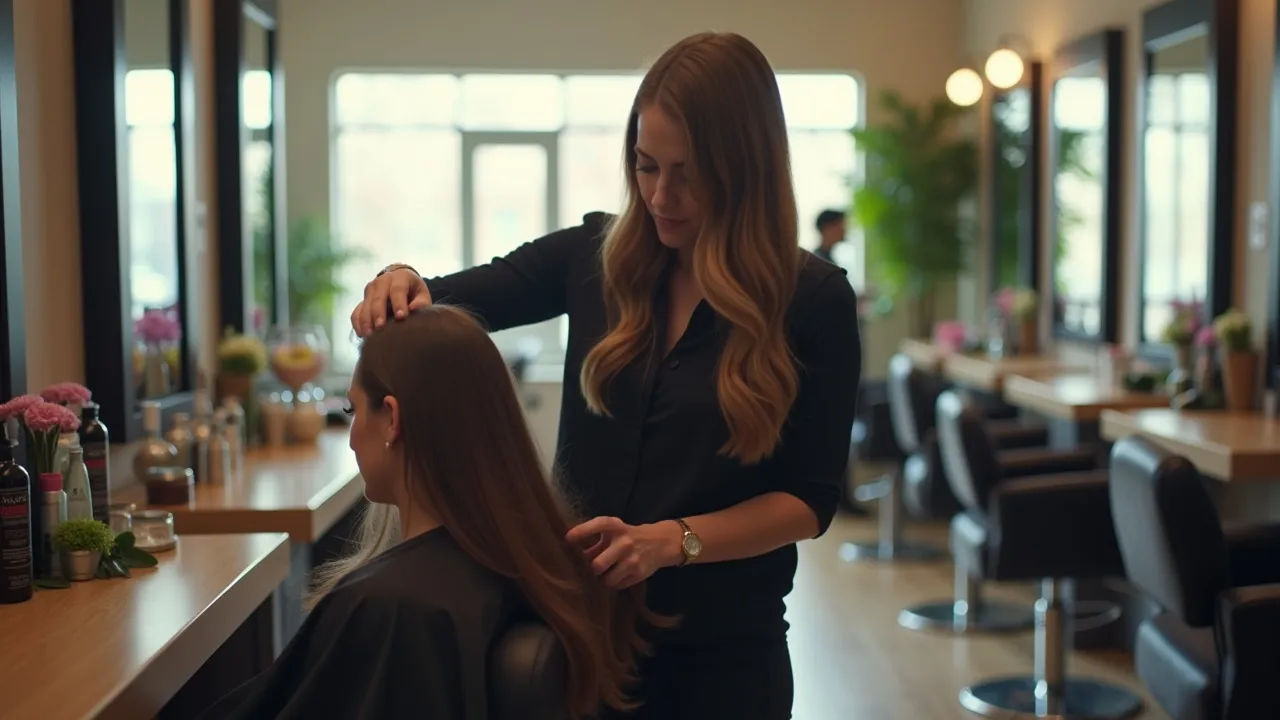
Brazilian Blowout Day, observed on August 21st, celebrates the revolutionary hair-smoothing treatment that combines keratin technology with sleek, frizz-free results. This day honors the stylists and innovators who transformed haircare, offering a chance to learn, celebrate, and pamper yourself.
The Historical Origins & Evolutionary Journey
Brazilian Blowout Day, observed annually on August 21st, traces its roots to the early 2000s when Dr. Ana Silva, a Brazilian chemist and stylist, pioneered a revolutionary liquid keratin formula. Her goal was to create a treatment that could smooth hair without losing volume or movement, unlike traditional Japanese straightening. The first official celebration was held in 2005 in São Paulo, and the day quickly spread globally as the treatment became a salon staple.
The Foundational Catalyst
In 2002, Dr. Silva noticed that Brazilian women frequently used a mixture of keratin-rich ingredients to tame frizz in humid climates. She combined hydrolyzed keratin with specific polymers and a unique heat-activation process, resulting in a semi-permanent smoothing effect. The treatment debuted at a beauty trade show in 2004, gaining instant attention.
Key Innovations
- Keratin Infusion: The first to use liquid keratin that bonds to hair cuticles.
- Low Formaldehyde: Initially contained low levels of formaldehyde, later reformulated to meet safety standards.
- Versatility: Could be performed on all hair types, including color-treated hair.
The Legislative/Official Adoption
After the treatment's popularity surged, several countries regulated formaldehyde levels. In 2007, the FDA issued guidelines, and the industry adapted. Brazilian Blowout Day was officially recognized by the Brazilian Beauty Association in 2010, and by 2015, it was celebrated in over 50 countries.
Modern Global Legacy
Today, Brazilian Blowout Day serves as a platform to educate consumers about safe keratin treatments, celebrate hairstyling artistry, and promote hair health. It has evolved to include charitable events, salon open houses, and online tutorials, making it a day of learning and transformation.
How to Celebrate Brazilian Blowout Day
Brazilian Blowout Day offers numerous ways for individuals, salons, and communities to participate. Whether you are a stylist, a client, or simply a hair enthusiast, here are actionable strategies to mark the day.
For Individuals
- Book a Treatment: Schedule a Brazilian Blowout at a certified salon. Many offer discounts or free consultations on this day.
- At-Home Maintenance: Use keratin-enhancing shampoos and serums. Watch online tutorials to extend the life of your treatment.
- Share Your Story: Post before-and-after photos on social media with #BrazilianBlowoutDay to inspire others.
- Donate for Charity: Some salons donate a portion of proceeds to organizations like Beautiful Lengths (wigs for cancer patients).
For Salons & Stylists
- Host Open Houses: Offer mini-consultations and demonstrations. Provide refreshments and educational materials about the treatment.
- Continuing Education: Attend webinars or workshops on the latest keratin technology. Many brands offer certification on this day.
- Community Outreach: Partner with local beauty schools to teach the technique. Offer free touch-ups for underserved communities.
Global Celebrations
In Brazil, the day is marked with large beauty expos and awards for top stylists. In the United States, salons often run promotions and donate to shelters. In Japan, it is common to see salons offering 'smooth hair' packages with lissé treatments inspired by the Brazilian method. European countries focus on sustainable and organic keratin alternatives, highlighting eco-friendly practices.
The Science Behind the Smoothness: How Brazilian Blowout Works
The Brazilian Blowout is more than a cosmetic treatment; it is a chemical process that restructures hair at the molecular level. Understanding this science helps consumers make informed choices.
The Role of Keratin
Keratin is a fibrous protein that constitutes 95% of hair structure. The treatment applies liquid keratin that penetrates the cuticle. When heated with a flat iron at 450°F, the keratin bonds to damaged areas, filling gaps and creating a protective layer.
Key Chemical Reactions
- Denaturation: Heat opens cuticle scales, allowing keratin to penetrate.
- Cross-linking: Polymers in the formula create bonds between keratin molecules.
- Sealing: Cool air or a setting spray locks the bonds, resulting in smooth, shiny hair.
Modern formulas are formaldehyde-free, using glyoxylic acid or other aldehydes to achieve similar results with lower toxicity.
Duration and Maintenance
Results typically last 8-12 weeks, depending on hair porosity and aftercare. Clients are advised to use sulfate-free shampoos and avoid chlorine. Touch-ups can be done every 3-4 months.
Global Impact on Hair Industry & Culture
Brazilian Blowout Day highlights the profound impact this treatment has had on global hair culture. It democratized sleek hair, making it accessible to all hair types and textures.
Economic Influence
The keratin smoothing market is valued at over $1.5 billion annually. Salons report that Brazilian Blowout services account for up to 30% of their revenue during peak seasons. The day itself generates millions in promotional offers and events.
Cultural Shifts
In many cultures, straight hair was historically associated with formality and social status. The Brazilian Blowout allowed individuals from curly and natural hair communities to embrace smooth styles without permanent damage. It also sparked conversations about inclusivity, as many Afro-textured hair clients found the treatment transformative.
Regulatory Changes
The treatment's popularity led to stricter safety regulations. Brazil, the US, and the EU now require labeling of formaldehyde levels. This has pushed manufacturers to innovate safer alternatives, such as 'clean' keratin treatments.
Environmental and Ethical Considerations
As with any chemical treatment, Brazilian Blowout raises environmental and ethical questions. Brazilian Blowout Day is an opportunity to discuss sustainable practices.
Environmental Footprint
Traditional formulas may contain volatile organic compounds (VOCs) that contribute to air pollution. Salons are encouraged to use ventilation systems and choose low-VOC products. Some brands now offer biodegradable packaging and carbon-neutral shipping.
Ethical Sourcing
Keratin is often derived from animal sources (sheep wool, feathers, etc.). Vegan keratin alternatives, made from plant proteins (wheat, soy), are becoming popular. The day promotes transparency in ingredient sourcing.
Community Responsibility
Salons often use Brazilian Blowout Day to raise awareness about hair health in underserved communities. Some offer free treatments to cancer survivors or those with alopecia, using the day to restore confidence.
Future Innovations & Trends
Brazilian Blowout Day also looks forward to emerging trends. The industry is rapidly evolving with new technologies.
Smart Keratin
Nanotechnology is being used to create keratin molecules that can repair hair from inside out. These 'smart' treatments adapt to different hair porosities.
Clean Beauty Movement
Demand for chemical-free options has led to 'Eco Blowouts' using fruit enzymes and plant acids. Brands like De Loziza and NanoGloss are pioneering this space.
Personalized Treatments
Using AI, some companies now analyze hair strands to create custom keratin blends. Clients can scan their hair with a smartphone app and receive a tailored formula.
Integration with Other Services
Many salons are combining Brazilian Blowouts with scalp treatments or hair botox for comprehensive care. The day serves as a launchpad for these innovations.
Historical Timeline
Dr. Ana Silva begins experimenting with keratin-based hair smoothing formulas in her São Paulo laboratory, inspired by traditional Brazilian hair treatments.
The first Brazilian Blowout prototype is demonstrated at the International Beauty Fair in São Paulo, attracting attention from top stylists.
The first official Brazilian Blowout Day is celebrated on August 21st in Brazil, with Dr. Silva offering complimentary treatments at local salons.
The FDA issues guidelines for formaldehyde levels in hair-smoothing products, prompting reformulation of the Brazilian Blowout to reduce toxicity.
Brazilian Blowout Day is officially recognized by the Brazilian Beauty Association (ABE) and expands to the United States and Europe.
Global participation reaches over 50 countries. The day incorporates charitable initiatives, with salons raising funds for cancer patients.
During the pandemic, virtual Brazilian Blowout tutorials and at-home kits gain popularity, with the day celebrated online through live demos.
The first vegan and formaldehyde-free Brazilian Blowout products launch, marking a milestone for clean beauty. The day sees record social media engagement with over 1 million posts.