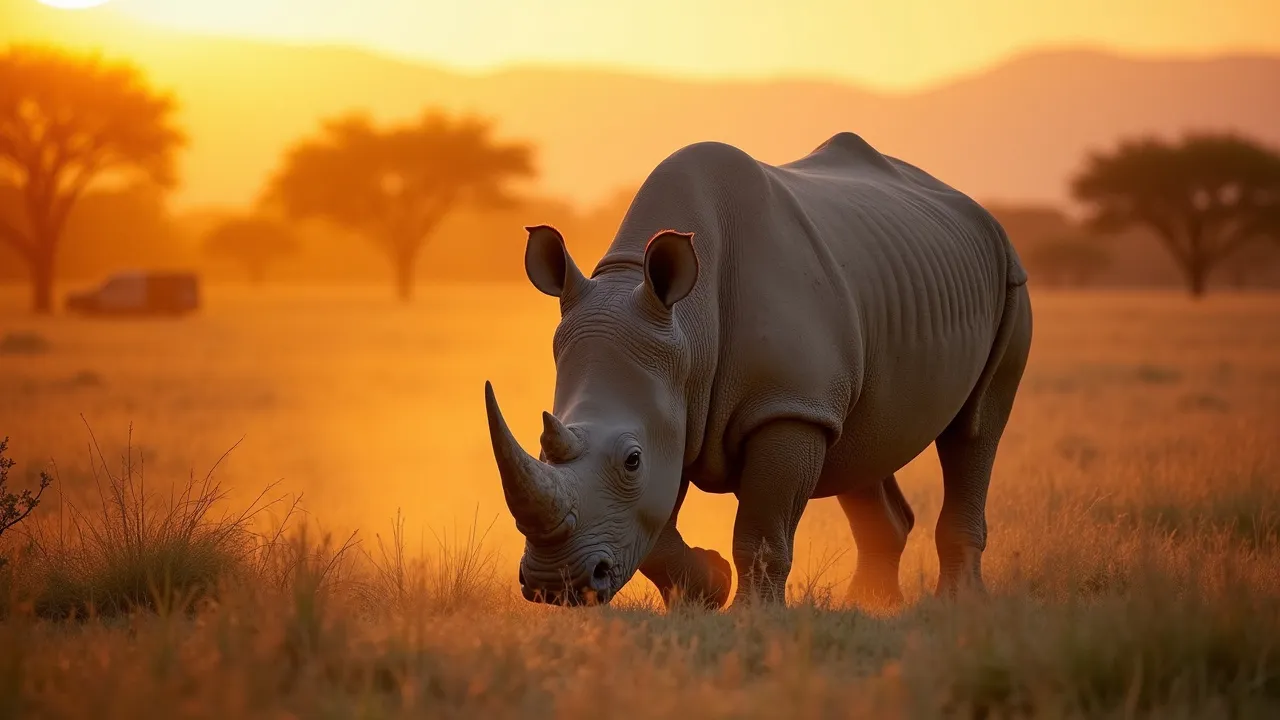
World Rhino Day, observed annually on September 22nd, raises awareness about the five rhino species and the urgent need for conservation efforts to protect them from poaching and habitat loss.
The Historical Origins & Evolutionary Journey
World Rhino Day was first launched in 2010 by the World Wildlife Fund (WWF) as a global campaign to highlight the plight of rhinos and mobilize public support for conservation. The first official celebration took place on September 22, 2011, and has since grown into an international movement.
The Foundational Catalyst
The primary driver for establishing World Rhino Day was the escalating poaching crisis driven by demand for rhino horn in traditional medicine and as a status symbol. In the early 2000s, rhino populations were plummeting across Africa and Asia, with species like the Javan rhino teetering on the brink of extinction. WWF recognized the need for a dedicated day to unify conservation messaging and inspire action.
The Legislative/Official Adoption
Following its launch, World Rhino Day was endorsed by numerous governments, non-profits, and wildlife organizations. South Africa, home to the largest rhino populations, became a central hub for events. The day also gained official recognition from the Convention on International Trade in Endangered Species (CITES) and the United Nations Environment Programme (UNEP), amplifying its reach.
Modern Global Legacy
Today, World Rhino Day is observed in over 100 countries, featuring activities ranging from educational workshops and fundraising runs to social media campaigns and celebrity endorsements. It has significantly contributed to public awareness and policy changes, such as stricter anti-poaching laws and increased funding for rhino protection.
How to Celebrate World Rhino Day
World Rhino Day offers countless ways to get involved, whether you're an individual, a school, or a corporation. Below are actionable strategies to make a meaningful impact.
For Individuals
- Donate: Contribute to reputable rhino conservation organizations like the WWF, International Rhino Foundation, or Save the Rhino International.
- Raise Awareness: Share facts and infographics on social media using hashtags like #WorldRhinoDay and #RhinoConservation.
- Adopt a Rhino: Many wildlife charities offer symbolic rhino adoption programs that fund anti-poaching units and habitat restoration.
For Schools and Educators
- Organize a classroom presentation on the five rhino species and their ecological importance.
- Host a rhino-themed art or essay competition to engage students creatively.
- Plan a fundraising event, such as a bake sale, with proceeds directed to rhino conservation.
For Organizations and Businesses
- Match employee donations to rhino causes and promote volunteer opportunities in wildlife reserves.
- Initiate a corporate sponsorship of a rhino monitoring project or anti-poaching unit.
- Feature rhino conservation messaging in marketing materials and customer communications.
Around the world, traditions vary. In South Africa, schools hold rhino walks; in Nepal, community patrols are spotlighted; in the US, zoos run special educational programs. Regardless of location, the key is to take action that supports rhino survival.
The Five Rhino Species: A Global Overview
Rhinos are divided into five distinct species, each with unique characteristics and conservation statuses. Understanding them is crucial for targeted conservation.
White Rhino
Despite its name, the white rhino is actually gray. It is the largest of the rhino species, with two subspecies: the critically endangered northern white rhino (only two females remain) and the near-threatened southern white rhino (around 18,000 individuals).
Black Rhino
Smaller than the white rhino, the black rhino is critically endangered, with about 5,600 individuals left. They are known for their hooked upper lip and aggressive nature.
Indian Rhino
The Indian rhino, also known as the greater one-horned rhino, has a single horn and a thick, folded skin. It is vulnerable, with around 3,700 individuals in India and Nepal.
Javan Rhino
One of the rarest large mammals, the Javan rhino is critically endangered with only about 70 individuals remaining, all in Ujung Kulon National Park, Indonesia.
Sumatran Rhino
The smallest and hairiest rhino, the Sumatran rhino is critically endangered, with fewer than 80 individuals surviving in fragmented populations on Sumatra and Borneo.
Conservation Challenges and Threats
Rhinos face an array of existential threats that require immediate and sustained intervention.
- Poaching: Rhino horn trafficking remains the greatest danger. Horns are prized in traditional Asian medicine and as luxury items, fetching up to $60,000 per kilogram on the black market.
- Habitat Loss: Agricultural expansion, urban development, and logging have shrunk rhino habitats across Africa and Asia, increasing human-wildlife conflict.
- Climate Change: Altered rainfall patterns and droughts affect water sources and vegetation, impacting rhino reproduction and survival.
- Genetic Bottleneck: Small, isolated populations suffer from inbreeding and reduced genetic diversity, making them more vulnerable to disease.
Notable Conservation Success Stories
Despite the challenges, dedicated conservation efforts have yielded remarkable successes.
Southern White Rhino Recovery
Once reduced to fewer than 100 individuals, the southern white rhino has rebounded to over 18,000 thanks to intensive protection and translocation programs.
Indian Rhino Comeback
Through strict anti-poaching measures and habitat management, the Indian rhino population has increased from around 200 in the 1900s to about 3,700 today.
Anti-Poaching Innovations
Technologies like drones, GPS tracking, and sniffer dogs have significantly improved rhino monitoring and protection. In some reserves, poaching incidents have dropped by over 70%.
Global Impact and Future Outlook
World Rhino Day has galvanized global support, raising millions of dollars for conservation and influencing international policy. However, the future remains precarious. Continued efforts are essential to secure rhino populations for future generations.
Policy and Legislation
International bans on rhino horn trade, such as CITES Appendix I listing, have helped reduce legal trade pressures. Yet illegal trafficking persists, demanding stronger enforcement and stiffer penalties.
Community Engagement
Local communities are increasingly involved in conservation as stakeholders, receiving benefits from tourism and employment in anti-poaching. This fosters stewardship and reduces human-wildlife conflict.
Technological Advancements
Artificial intelligence, camera traps, and DNA analysis are revolutionizing rhino monitoring and tracing of illegal horns. Such tools enable faster response and more effective deterrence.
With continued public awareness and support, there is hope that rhinos will survive and thrive. World Rhino Day serves as a critical reminder of our collective responsibility to protect these magnificent creatures.
Historical Timeline
Southern white rhino population drops to fewer than 100 individuals due to hunting and habitat loss.
Poaching crisis escalates globally, especially for black and Javan rhinos, leading to international conservation efforts.
CITES bans international trade in rhino horn, but poaching continues due to high black market demand.
The last wild Sumatran rhino in Peninsular Malaysia is captured and moved to a sanctuary.
WWF launches World Rhino Day in September to mobilize global action.
First official World Rhino Day celebrated on September 22nd.
Sudan, the last male northern white rhino, dies, leaving only two females alive.
COVID-19 leads to reduced poaching due to travel restrictions, but also cuts tourism revenue for conservation.
Global rhino population stabilizes at around 27,000, but two species remain critically endangered.