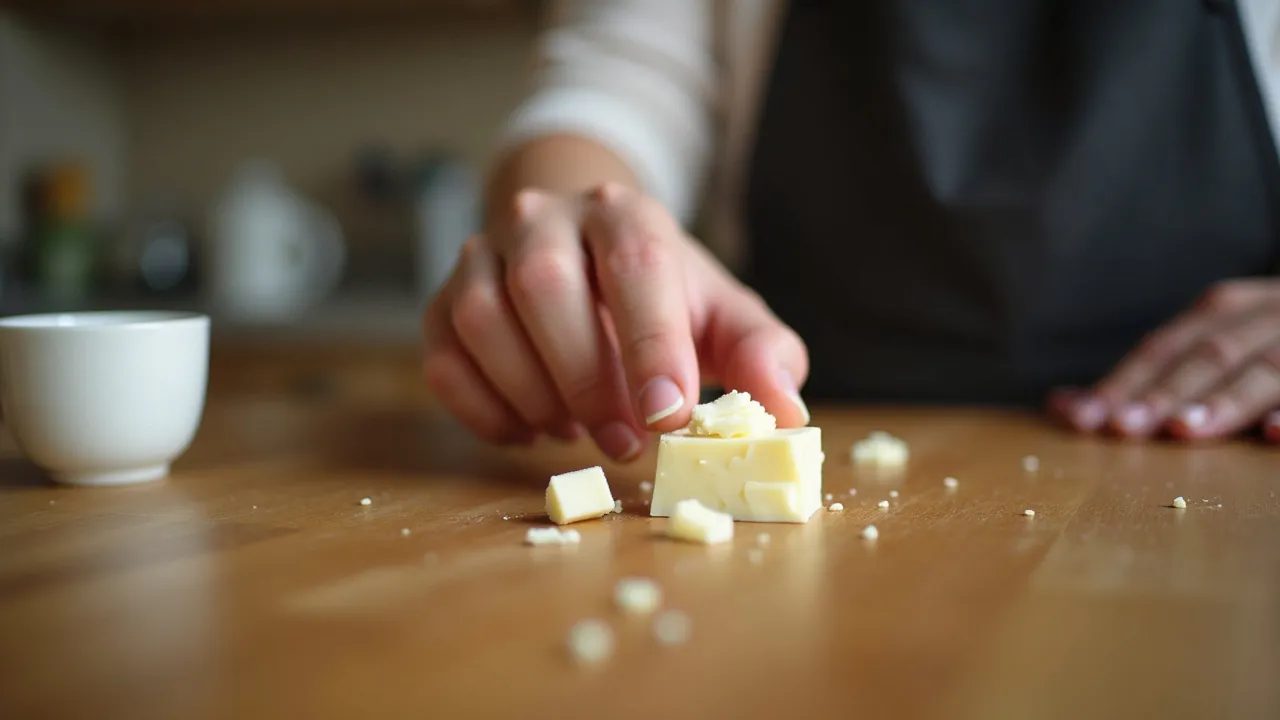
National White Chocolate Day on September 22nd celebrates the creamy, sweet confection made from cocoa butter. Discover its history, how to enjoy it, and why it's a beloved treat.
The Historical Origins & Evolutionary Journey
National White Chocolate Day, observed annually on September 22nd, honors a confection that has sparked both delight and debate. Unlike traditional chocolate, white chocolate contains no cocoa solids; it is made from cocoa butter, sugar, and milk solids. Its history is a tale of innovation, marketing, and cultural adaptation.
The Foundational Catalyst
The invention of white chocolate is credited to the Nestlé company in the 1930s. Looking to use excess cocoa butter from cocoa bean processing, Nestlé developed a white bar called Milkybar (later rebranded as Milkybar or Galak in some regions). This was the first mass-produced white chocolate. However, white chocolate existed in earlier forms: in 1915, a product called "white chocolate" was mentioned in a Canadian cookbook, but it was not commercially successful.
The Legislative/Official Adoption
For decades, white chocolate lacked a legal definition. In the United States, the Food and Drug Administration (FDA) established a standard of identity in 2002, requiring white chocolate to contain at least 20% cocoa butter, 14% milk solids, and 3.5% milk fat. This ruling legitimized white chocolate as a distinct product, spurring its popularity. National White Chocolate Day itself emerged in the early 2000s as a grassroots holiday promoted by confectionery bloggers and social media, though its precise origin remains unclear.
Modern Global Legacy
Today, white chocolate is a global phenomenon. From gourmet truffles to Halloween candy blends, it has become a staple. The day is celebrated with baking, gifting, and social media campaigns. Critics still debate whether it qualifies as "real chocolate," but its creamy sweetness has won millions of fans.
How to Celebrate National White Chocolate Day
Whether you are a white chocolate devotee or a curious newcomer, September 22nd offers countless ways to join the celebration. Below are actionable ideas for individuals, families, and organizations.
For Individuals and Families
- Bake white chocolate treats: Try white chocolate macadamia nut cookies, blondies, or a white chocolate raspberry cheesecake.
- Make homemade white chocolate: Melt cocoa butter, mix with powdered sugar and milk powder, then pour into molds.
- Host a white chocolate tasting: Compare different brands (e.g., Lindt, Ghirardelli, Valrhona) and rate creaminess, sweetness, and cocoa butter content.
- Pair with drinks: Enjoy white chocolate with coffee, chai, or a white chocolate martini.
For Schools and Offices
- Organize a white chocolate bake-off: Employees or students bring in their best white chocolate creation.
- Create a white chocolate trivia wall: Post facts about white chocolate history and health for everyone to learn.
- Donate white chocolate to local shelters: Share the sweetness with those in need (check for allergy-friendly options).
Corporate and Social Media Engagement
- Launch a #NationalWhiteChocolateDay campaign with user-generated content, such as photos of white chocolate desserts.
- Collaborate with chocolatiers to offer limited-edition white chocolate products.
- Run a social media poll: "What's the best white chocolate combo?" (e.g., with strawberries, pretzels, or mint).
No matter how you celebrate, the key is to savor the moment and share the joy of this unique treat.
The Science and Production of White Chocolate
White chocolate's creation is both art and science. Understanding its composition reveals why it behaves differently from milk or dark chocolate.
Key Ingredients
- Cocoa butter: The fat extracted from cocoa beans. It gives white chocolate its melt-in-mouth texture and pale color.
- Sugar: Usually 40-60% of the final product, providing sweetness.
- Milk solids: Milk powder or condensed milk adds creaminess and structure.
- Optional vanilla or lecithin (an emulsifier) for flavor and consistency.
Production Process
- Grinding and pressing: Cocoa beans are roasted, shelled, and ground into cocoa mass. The mass is pressed to separate cocoa solids from cocoa butter.
- Mixing: Cocoa butter, sugar, and milk solids are combined in a conche—a heated mixer that smooths the texture.
- Refining: The mixture is passed through rollers to reduce particle size to under 30 microns, creating a silky feel.
- Tempering: The liquid white chocolate is carefully cooled and agitated to stabilize the cocoa butter crystals, ensuring a glossy finish and satisfying snap.
- Molding and packaging: The tempered chocolate is poured into molds, cooled, and wrapped.
High-quality white chocolate has a rich, buttery flavor. Inferior versions substitute vegetable oils for cocoa butter, which are often labeled as "white confectionery coating" and lack the true white chocolate taste.
Culinary Uses and Perfect Pairings
White chocolate's mild sweetness and creamy texture make it incredibly versatile in the kitchen. Here are expert-approved ways to use it.
Baking and Desserts
- White chocolate ganache: Combine heavy cream and white chocolate for a luxurious filling or frosting.
- White chocolate mousse: Whip melted white chocolate with cream and egg whites for an airy dessert.
- White chocolate bark: Spread melted white chocolate on a tray, top with dried fruits, nuts, and sea salt.
Savory Applications
Surprisingly, white chocolate can enhance savory dishes. Use it in white chocolate butter sauce for seafood, or blend it into a spicy mole for a subtle sweetness. White chocolate and blue cheese create a bold contrast.
Pairings
- Fruits: Raspberries, strawberries, mango, and passion fruit cut the sweetness.
- Nuts: Macadamia, pistachio, and almonds provide crunch.
- Spices: Cardamom, cinnamon, and chili powder add warmth.
- Beverages: White chocolate pairs well with Riesling, champagne, and chai tea.
When melting white chocolate, always use a double boiler or microwave in short bursts, as it scorches easily. Avoid any contact with water, which can cause seizing.
Health and Nutritional Aspects
White chocolate is often criticized for its high sugar and fat content, but it also offers some surprising benefits—and drawbacks.
Nutritional Profile
A typical 1-ounce (28g) serving of white chocolate contains around 150 calories, 9g fat (6g saturated), 17g sugar, and 2g protein. It also provides small amounts of calcium from the milk solids and traces of antioxidants from cocoa butter.
Health Benefits
- Cocoa butter is rich in stearic acid, a saturated fat that does not raise LDL cholesterol as much as other saturated fats.
- White chocolate contains trytophan, an amino acid that may boost serotonin and improve mood.
- The calcium and phosphorus in milk solids support bone health.
Considerations
- High sugar content can contribute to weight gain and dental issues.
- Some white chocolate products contain hydrogenated oils (trans fats), so check labels.
- People with dairy allergies or lactose intolerance should avoid it or seek lactose-free versions.
Moderation is key—enjoy white chocolate as an occasional treat rather than a daily indulgence.
Global Impact and Industry Trends
White chocolate has evolved from a niche experiment to a global market force. The industry continues to innovate and expand.
Market Statistics
In 2023, the global white chocolate market was valued at over $20 billion, with expected annual growth of 5-6%. The leading producers include Nestlé, Hershey, Mars, and Ferrero. Premium and organic white chocolate segments are growing fastest.
Regional Variations
- Europe: High-quality white chocolate is common, often with higher cocoa butter content. In Switzerland, white chocolate is often used in baking.
- United States: Popular in Halloween candy (e.g., white chocolate Kit Kats) and seasonal treats.
- Asia: Japan has a strong white chocolate culture, with unique flavors like matcha white chocolate and sakura white chocolate.
Trends
- Ruby chocolate: Introduced in 2017 by Callebaut, this "pink" chocolate has a fruity flavor and is sometimes blended with white chocolate.
- Plant-based white chocolate: Made with rice milk, coconut milk, or oat milk to cater to vegans.
- Functional white chocolate: Infused with probiotics, CBD, or protein powders for added benefits.
As consumer tastes evolve, white chocolate continues to reinvent itself while maintaining its core identity as a sweet, comforting delight.
Historical Timeline
Nestlé invents the first white chocolate bar, Milkybar, using excess cocoa butter from cocoa bean processing.
The first commercial white chocolate bar is launched in the United States by the Kunzle Cake Company.
White chocolate becomes popular in Europe, with brands like Lindt and Toblerone introducing white chocolate versions.
The FDA establishes a legal definition for white chocolate in the US, requiring a minimum of 20% cocoa butter.
National White Chocolate Day is first celebrated informally, likely promoted by food bloggers and confectionery companies.
Callebaut introduces ruby chocolate, often compared to white chocolate due to its lack of cocoa solids, sparking renewed interest in white chocolate innovations.
The global white chocolate market exceeds $20 billion, with plant-based and functional white chocolate trends gaining traction.