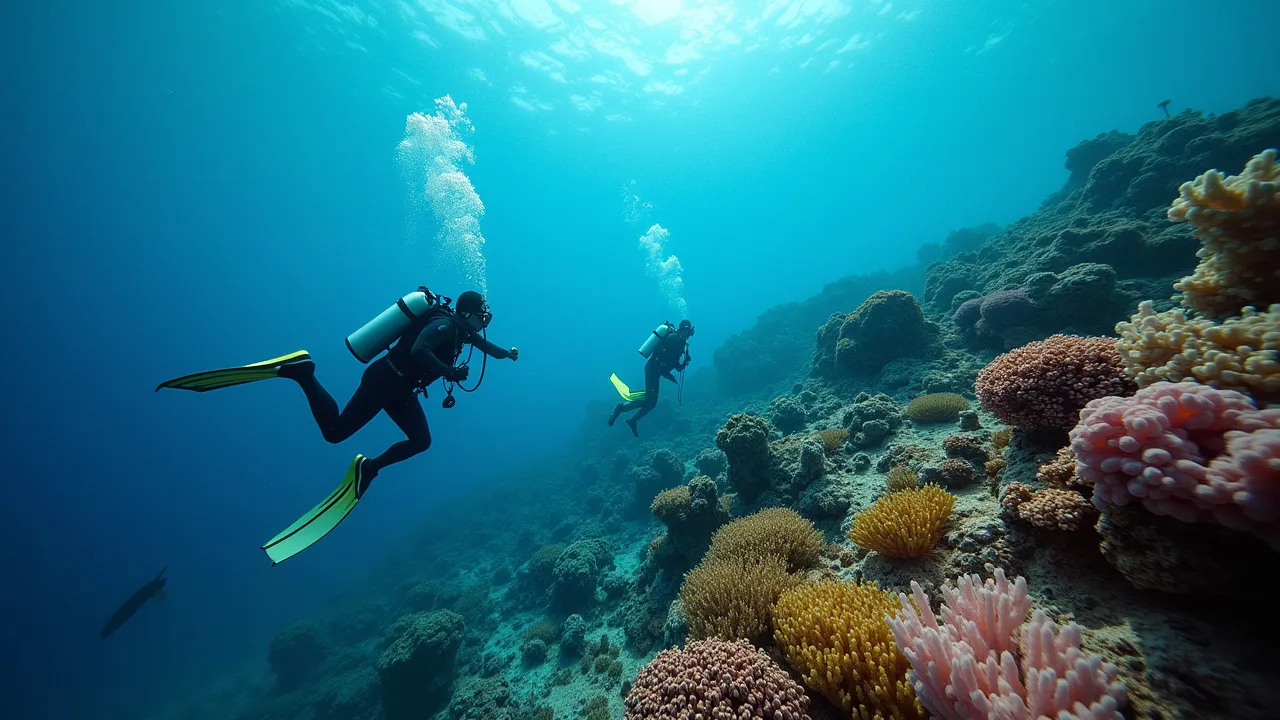
World Oceans Day, observed annually on June 8th, is a global event to celebrate the ocean and raise awareness about its vital role in sustaining life. It calls for action to protect marine ecosystems for future generations.
The Historical Origins & Evolutionary Journey
The Foundational Catalyst
World Oceans Day traces its roots to the 1992 Earth Summit in Rio de Janeiro, Brazil. The concept was first proposed by the Canadian government, along with the International Centre for Ocean Development (ICOD) and the Ocean Institute of Canada. The goal was to create a day dedicated to honoring the ocean and highlighting the urgent need for its conservation. Initially celebrated informally by a coalition of environmental groups, the day gained traction as a grassroots movement.
The Legislative/Official Adoption
After years of advocacy, the United Nations officially designated June 8th as World Oceans Day by a resolution passed in December 2008. The resolution recognized the ocean's critical role in food security, climate regulation, and biodiversity. The first officially observed UN World Oceans Day took place on June 8, 2009, with the theme "Our Oceans, Our Responsibility." Since then, the UN has coordinated global events and themes annually, encouraging governments, organizations, and individuals to participate.
Modern Global Legacy
Today, World Oceans Day is celebrated in over 100 countries through beach cleanups, educational events, art competitions, and policy announcements. The day serves as a platform to address pressing issues like plastic pollution, overfishing, and ocean acidification. The UN Decade of Ocean Science for Sustainable Development (2021-2030) has further amplified the day's importance, mobilizing research and action. World Oceans Day remains a vital tool for uniting the world in safeguarding the ocean for future generations.
How to Celebrate World Oceans Day
World Oceans Day is celebrated globally on June 8th with diverse activities that promote ocean stewardship. Below are actionable strategies for individuals, schools, and organizations.
For Individuals
- Reduce plastic use: Swap single-use plastics for reusable alternatives. Participate in a local beach or river cleanup.
- Educate yourself: Watch documentaries like 'Chasing Coral' or 'A Plastic Ocean' to understand ocean issues.
- Sustainable seafood: Choose seafood with sustainable certifications (e.g., MSC, ASC) and avoid overfished species.
- Support conservation: Donate to or volunteer with organizations like Oceana, Surfrider, or the Ocean Conservancy.
For Schools and Educators
- Host a coral reef art contest to engage students creatively.
- Organize a field trip to a local aquarium, marine reserve, or shoreline for hands-on learning.
- Invite a marine biologist to give a talk on ocean careers and conservation.
- Launch a 'no-plastic' challenge for a week to teach students about waste reduction.
For Organizations and Corporations
- Implement ocean-friendly policies such as eliminating single-use plastics in the office.
- Sponsor a beach cleanup and encourage employee participation with paid volunteer time.
- Launch a sustainable product line or donate a percentage of sales to ocean nonprofits.
- Host a webinar with experts discussing ocean health and corporate responsibility.
Regional variations are minimal since the date is fixed globally, but some countries incorporate local traditions. For example, in the Maldives, coral planting events are common; in Japan, communities hold sea prayer ceremonies.
The Importance of Ocean Conservation
The ocean covers over 70% of the Earth's surface and is a lifeline for humanity. It provides the oxygen for every second breath we take, regulates the global climate, and hosts an immense diversity of life. Yet the ocean faces unprecedented threats from human activities.
Climate Regulation
The ocean absorbs about 30% of the carbon dioxide we emit and captures 90% of the excess heat from global warming. This process, however, leads to ocean acidification and warming, which harm marine ecosystems.
Biodiversity Hotspot
Oceans are home to over 230,000 known species, with millions more yet to be described. Coral reefs alone support 25% of marine life. Preserving this biodiversity is critical for ecological balance and future resources.
Economic Impact
The ocean economy (fisheries, tourism, shipping) is valued at over $2.5 trillion annually. Sustainable management ensures long-term benefits for industries and coastal communities.
World Oceans Day highlights these roles and mobilizes action to reverse damage. Without urgent conservation, essential ocean services could collapse by 2050.
Global Impact and Challenges
World Oceans Day draws attention to the most pressing challenges facing our seas. The day serves as a catalyst for policy change and public awareness.
- Plastic Pollution: An estimated 11 million metric tons of plastic enter the ocean annually. This harms wildlife and enters the human food chain via microplastics.
- Overfishing: A third of fish stocks are overexploited. Illegal, unreported, and unregulated fishing threatens food security for billions.
- Ocean Acidification: CO2 absorption lowers pH levels, impacting shell-forming organisms like oysters and corals.
- Climate Change: Sea levels rise, marine heatwaves intensify, and ocean currents shift, disrupting ecosystems.
World Oceans Day campaigns have led to significant achievements, such as the expansion of marine protected areas (MPAs) covering 7.7% of the ocean, and the adoption of the UN High Seas Treaty in 2023 to protect biodiversity beyond national waters.
Corporate and Community Initiatives
Businesses and communities play a pivotal role in ocean health. World Oceans Day provides a platform for them to showcase and amplify their efforts.
Corporate Leaders
- Unilever committed to making all plastic packaging reusable, recyclable, or compostable by 2025.
- Patagonia donates 1% of sales to grassroots environmental groups and advocates for marine reserves.
- The Ocean Cleanup project, supported by corporations, removes plastic from the Great Pacific Garbage Patch using advanced technology.
Community Action
- Citizen science programs like 'Nurdle Patrol' engage volunteers to count plastic pellets on beaches, helping track pollution.
- Local cleanup groups registered with World Oceans Day organize thousands of events worldwide each year.
These initiatives demonstrate how collective action can create positive change. World Oceans Day encourages more entities to adopt ocean-friendly practices.
Future Goals and the UN Decade of Ocean Science
The UN Decade of Ocean Science for Sustainable Development (2021-2030) underpins World Oceans Day's future direction. It aims to generate knowledge that will reverse the decline of ocean health and create a sustainable ocean economy.
Key Objectives
- Mapping the ocean floor to improve climate models and resource management.
- Developing technology for real-time monitoring of pollution and biodiversity.
- Enhancing ocean literacy through education and outreach, a core function of World Oceans Day.
- Creating a comprehensive digital atlas of marine species and ecosystems.
World Oceans Day events increasingly align with Decade priorities, such as virtual science fairs and policy pledges. By 2030, the goal is to have 30% of the ocean protected and to halve plastic pollution. Every June 8th serves as a checkpoint to measure progress and reinvigorate commitment.
Historical Timeline
Canada proposes the concept of World Oceans Day at the Earth Summit in Rio de Janeiro. Environmental groups begin celebrating informally.
The United Nations General Assembly officially designates June 8th as World Oceans Day.
First official UN World Oceans Day celebrated globally with the theme 'Our Oceans, Our Responsibility'.
The UN Ocean Conference takes place, calling for action to protect the ocean. World Oceans Day that year focuses on 'Our Oceans, Our Future'.
The UN Decade of Ocean Science for Sustainable Development begins, with World Oceans Day promoting the decade's goals.
UN member states adopt the High Seas Treaty to protect marine biodiversity in international waters, a key victory highlighted on World Oceans Day.
World Oceans Day theme 'Awaken New Depths' emphasizes exploring deeper connections with the ocean.