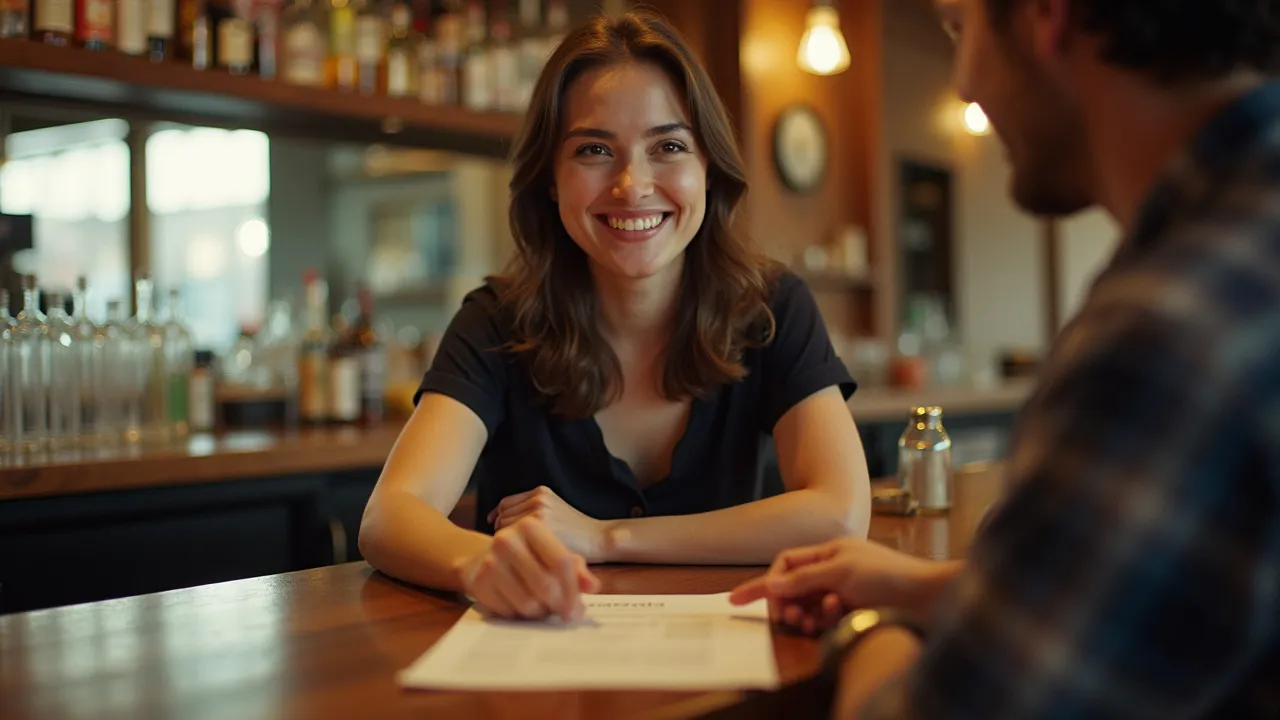
Name Your Poison Day on June 8th is a fun, informal celebration where you declare your favorite drink. Originating from the classic bar phrase, it's a day to enjoy your chosen beverage responsibly, whether alcoholic or non-alcoholic.
The Historical Origins & Evolutionary Journey
Name Your Poison Day, observed annually on June 8th, has roots deep in the English language and drinking culture. The phrase 'name your poison' originally served as a colloquial invite for someone to choose their preferred alcoholic beverage. Its first recorded use dates back to the 19th century, though it gained widespread popularity in mid-20th-century America.
The Foundational Catalyst: A Linguistic History
The word 'poison' itself has Old French origins (puison) meaning a drink, especially a medicinal or poisonous potion. By the 1800s, 'poison' was slang for any alcoholic beverage, as in the phrase 'What's your poison?' This set the stage for the longer form, 'Name your poison,' to become a standard bartender's question. The earliest known print citation appears in an 1868 edition of the New York Herald.
The Legislative/Official Adoption (Unofficial)
Unlike many national holidays, Name Your Poison Day was not established by a government or official body. Instead, it emerged organically from bar culture and the growing popularity of themed food & drink holidays in the early 2000s. Greeting card companies, beverage brands, and social media influencers played key roles in spreading the date. By 2005, online calendars consistently listed June 8th as National Name Your Poison Day.
Modern Global Legacy
Today, the day is celebrated not only in the United States but also increasingly online worldwide. It has evolved to include non-alcoholic beverages, craft cocktails, and responsible drinking campaigns. Bars run specials, and hashtags like #NameYourPoisonDay trend on platforms like Instagram and Twitter.
How to Celebrate Name Your Poison Day
Celebrating Name Your Poison Day is all about personal choice and enjoyment. Whether you prefer a classic cocktail, a local craft beer, or a refreshing mocktail, the day invites you to proudly declare your drink. Below are structured ideas for individuals, groups, and businesses.
For Individuals
- Try a new drink – Visit a local bar and ask for something you have never tasted before.
- Host a tasting party – Gather friends and each person brings their 'poison' to share.
- Create a signature drink – Experiment with ingredients at home and name your creation.
For Groups and Social Gatherings
- Organize a 'Name Your Poison' game: everyone writes down a drink, and others guess who chose it.
- Plan a pub crawl where each stop features a different category (e.g., gin, whiskey, mocktails).
- Use social media: post a photo of your chosen drink with the day's hashtag.
For Businesses (Bars, Restaurants, Brands)
Offer specials – Discounts on a rotating selection of beverages. Run a contest – Ask customers to name their poison and vote for a drink of the month. Collaborate with influencers to showcase unique concoctions.
The Cultural Significance of 'Name Your Poison'
The phrase 'name your poison' permeates global pop culture, appearing in movies, television, music, and literature. It symbolizes choice, camaraderie, and the social ritual of drinking.
In Film and Television
From classic Westerns where barkeeps ask cowboys to 'name your poison' to modern sitcoms like Friends and How I Met Your Mother, the line has been used countless times. In the James Bond series, the villain's line 'name your poison' carries a double meaning—both drink and lethal choice. These media appearances helped cement the phrase in everyday language.
In Literature and Music
Authors like Raymond Chandler and Stephen King have employed the term to set scenes in bars and detective stories. Musicians across genres, from country to hip-hop, reference 'poison' as a metaphor for a favored drink or a toxic relationship (e.g., Alice Cooper's 'Poison').
Global Adaptations
While English-speaking countries use the literal translation, many cultures have equivalent phrases. In Spanish, 'Dígame su veneno' is heard in Latin American bars. In Japan, the English phrase is sometimes used directly as a trendy import, especially in Tokyo's cocktail bars.
Mixology: The Art of Choosing Your Poison
Name Your Poison Day is a perfect excuse to delve into mixology—the craft of combining spirits, liqueurs, and mixers to create balanced drinks. Bartenders worldwide use this day to showcase their expertise.
Classic Cocktails to Try
- Old Fashioned – A timeless choice: bourbon or rye, sugar, bitters, and a twist.
- Margarita – Tequila, lime juice, and orange liqueur, served on the rocks or blended.
- Negroni – Equal parts gin, sweet vermouth, and Campari.
Signature 'Name Your Poison' Drinks
Many bars create special menus for June 8th with inventive names. For example, a 'Toxic Martini' might feature a hint of jalapeño, while 'Poison Apple' could combine vodka with apple cider and cinnamon. Non-alcoholic versions like 'Mocktail Venom' (cranberry, lime, ginger ale) are also popular.
How to Order Like a Pro
- Specify your base spirit (vodka, gin, whiskey, etc.).
- Indicate sweet, sour, or bitter preference.
- Ask the bartender for a recommendation based on your mood.
Responsible Drinking and Non-Alcoholic Alternatives
While Name Your Poison Day celebrates alcoholic beverages, it equally embraces mindful consumption and inclusivity. The modern observance emphasizes personal choice, which includes abstaining or opting for non-alcoholic 'poisons'.
Tips for Responsible Celebrations
- Pace yourself – Alternate alcoholic drinks with water or mocktails.
- Know your limits – Stop before you feel intoxicated to ensure a safe evening.
- Plan a ride – Designate a driver or use rideshare services.
Non-Alcoholic Options
Mocktails have surged in popularity, with bartenders crafting sophisticated drinks using shrubs, herbal teas, and fresh juices. Popular zero-proof 'poisons' include:
Seedlip-based cocktails, Shrubs (vinegar-based syrups), and Kombucha mixes. Even traditional bars now feature 'spirit-free' menus.
Inclusive Celebrations
For underage celebrants or those in recovery, the day can be celebrated with a favorite soda, coffee, or smoothie. The core message is simply to declare your preferred drink, regardless of alcohol content.
Global Observances and Similar Holidays
Name Your Poison Day on June 8th is primarily an American phenomenon, but similar holidays exist worldwide. Some are regional, others international, all celebrating beverage choice.
Related Holidays Around the World
- National Drink Day (US, May 13) – A broader celebration of all drinks.
- World Cocktail Day (May 13) – Focused on mixed drinks.
- International Beer Day (First Friday of August) – Globally recognized.
Regional Variations
In the United Kingdom, 'Name Your Poison' is less formal, but April 23rd (National Drink Day UK) serves a similar purpose. In Australia, the slang 'shout' (to buy a round) is associated. In Germany, 'Schnapstag' (Schnapps Day) falls on various dates in autumn. Each region infuses local spirits and traditions.
How June 8th Became the Date
No definitive record explains why June 8th was chosen. Some speculate it coincides with the end of spring and start of summer social seasons. Others note it falls near National Gin Day (June 11) and Rose Day (June 9), creating a week of drink holidays. Regardless, June 8th remains the most widely recognized date.
Historical Timeline
First known print use of 'name your poison' in the New York Herald, referencing a bartender's question.
Prohibition in the US forces bars underground; the phrase persists in speakeasies.
Film noir popularizes 'name your poison' as a gritty bartender line.
The phrase becomes common in TV sitcoms and casual American English.
Online holiday calendars first list 'National Name Your Poison Day' on June 8th.
Greeting card companies begin marketing June 8th as a commercial holiday.
Social media platforms see first viral posts using #NameYourPoisonDay.
Major beverage brands launch limited-edition products for the day.
Non-alcoholic alternatives gain prominence, making the day more inclusive.