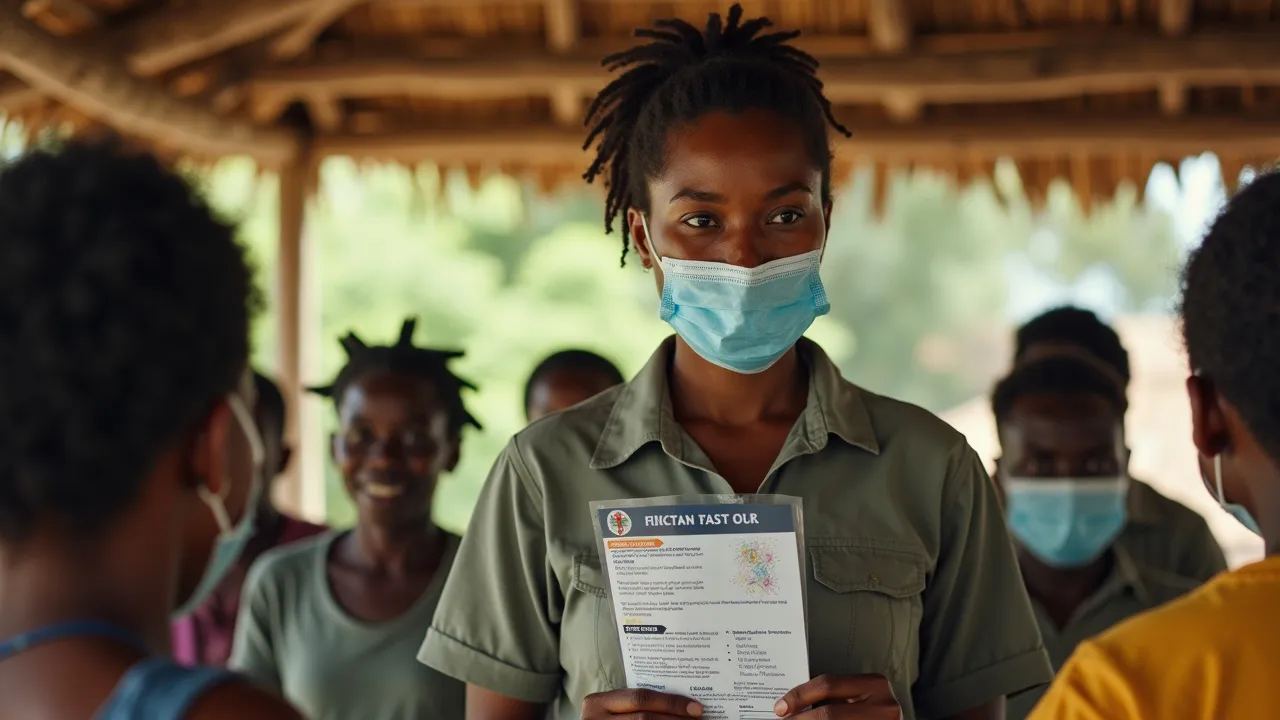
World Neglected Tropical Diseases Day, observed on January 30th, is a global campaign to raise awareness about NTDs that affect over 1.7 billion people. It calls for united action to end these preventable diseases.
The Historical Origins & Evolutionary Journey
World Neglected Tropical Diseases (NTD) Day was officially designated on January 30th, 2020, by the World Health Assembly, building on years of advocacy and the London Declaration on Neglected Tropical Diseases (2012). The date commemorates the signing of the London Declaration, which pledged to control, eliminate, or eradicate ten NTDs by 2020.
The Foundational Catalyst
The concept of a dedicated day emerged from the World Health Organization's roadmap for NTDs (2012–2020), which set ambitious targets. The growing burden of NTDs—affecting over 1 billion people in poverty—spurred global health leaders to establish a focal point for awareness. In 2019, the WHO's Executive Board recommended January 30th as an official day, aligning with the anniversary of the London Declaration.
The Legislative/Official Adoption
At the 146th session of the WHO Executive Board in February 2020, member states unanimously adopted the decision to mark January 30th as World NTD Day. The first official observance took place on January 30, 2020, with events worldwide highlighting diseases such as dengue, rabies, leprosy, and schistosomiasis.
Modern Global Legacy
Since its inception, World NTD Day has grown into a major advocacy platform. The Kigali Declaration on NTDs (2022) further galvanized political commitment, and annual themes—like “Achieving the NTD Goals” (2024) and “Unite, Act, Eliminate” (2025)—drive campaigns. The day now mobilizes governments, NGOs, researchers, and communities to accelerate progress toward the 2030 NTD roadmap targets.
How to Celebrate World Neglected Tropical Diseases Day
World NTD Day offers a chance for everyone to contribute to the fight against NTDs. Below are actionable ways individuals, schools, and organizations can participate:
For Individuals
- Educate yourself on the 20 recognized NTDs via the WHO website or local health ministries.
- Share facts on social media using hashtags like #WorldNTDDay and #BeatNTDs. Post infographics or personal stories.
- Donate to reputable charities such as the Carter Center, Drugs for Neglected Diseases Initiative (DNDi), or the END Fund.
- Sponsor a child's treatment for schistosomiasis or intestinal worms through organizations like SCI Foundation.
For Schools & Universities
- Host a seminar with guest speakers from global health departments or local NGOs.
- Organize a fundraising drive for mosquito nets, deworming tablets, or diagnostic kits.
- Incorporate NTD education into biology, social studies, or public health curricula.
For Organizations & Corporations
- Launch awareness campaigns in employee newsletters and intranet pages.
- Partner with NTD-endemic communities for virtual events or donation matching.
- Advocate for policy change by writing to elected officials about increasing NTD funding.
Did you know? In India, the day is marked by free health camps for lymphatic filariasis screening, while Brazil holds national dengue awareness drives. In Sub-Saharan Africa, radio jingles and community dramas are popular.
Global Impact and Burden of Neglected Tropical Diseases
Neglected tropical diseases affect more than 1.7 billion people worldwide, primarily in tropical and subtropical regions lacking access to clean water, sanitation, and healthcare. NTDs cause devastating health, social, and economic consequences.
Health Burden
- Disability and disfigurement: Leprosy can cause nerve damage; lymphatic filariasis leads to elephantiasis; onchocerciasis causes blindness.
- Child mortality and stunting: Soil-transmitted helminths impair child growth and cognitive development.
- Chronic pain and stigma: Diseases like Buruli ulcer and leishmaniasis result in severe social exclusion.
Economic Toll
NTDs trap communities in poverty. The World Bank estimates that NTDs cost developing countries billions of dollars annually in lost productivity and healthcare costs. Treatment and prevention are highly cost-effective: deworming costs as little as $0.50 per child per year.
Inequity
NTDs thrive in "neglected populations"—the poorest of the poor. Women and children are disproportionately affected due to roles in water collection and childcare. The COVID-19 pandemic stalled progress, with many mass drug administration campaigns paused.
Key Neglected Tropical Diseases and Their Effects
The WHO currently lists 20 diseases and disease groups as NTDs. Here are some of the most impactful:
- Dengue and Chikungunya: Mosquito-borne viruses causing fever and joint pain; outbreaks rising due to climate change.
- Rabies: Nearly 100% fatal but preventable via vaccination; affects rural communities where dog vaccines are scarce.
- Leprosy (Hansen's disease): Curable with multidrug therapy; stigma persists even after treatment.
- Schistosomiasis: Caused by parasitic worms in freshwater snails; leads to organ damage and anemia.
- Lymphatic Filariasis: Transmitted by mosquitoes; causes elephantiasis; affects over 120 million people.
- Onchocerciasis (River Blindness): Blackfly-transmitted; second leading infectious cause of blindness.
- Soil-transmitted Helminths: Intestinal worms infecting over 1.5 billion children, impairing nutrition and development.
Emerging Threats
Climate change is expanding the range of vector-borne NTDs, while conflict and displacement increase vulnerability. New tools like genetically modified mosquitoes and oral vaccines offer hope.
The Role of Research and Innovation
Ending NTDs requires sustained investment in research and development. The Drugs for Neglected Diseases Initiative (DNDi) has developed new treatments for visceral leishmaniasis and Chagas disease. Product development partnerships (PDPs) like the Innovative Vector Control Consortium (IVCC) drive innovation.
Diagnostics
- Rapid diagnostic tests for lymphatic filariasis and onchocerciasis enable field-friendly detection.
- Point-of-care ultrasound is being used to assess liver fibrosis from schistosomiasis.
Vaccines
- The Dengvaxia vaccine is available for some populations.
- Promising trials for a leishmaniasis vaccine and a schistosomiasis vaccine are underway.
New Drugs
- Fexinidazole for sleeping sickness replaced toxic arsenic-based treatments.
- Moxidectin for river blindness offers alternative to ivermectin.
Digital health tools like mHealth apps are improving surveillance and treatment adherence.
Collaborations and Partnerships Driving Change
No single entity can end NTDs. Success depends on multi-sectoral partnerships at global, national, and local levels.
Key Actors
- World Health Organization (WHO): Sets global strategy and coordinates efforts.
- Drug Donors: Companies like Merck (Mectizan for river blindness), GlaxoSmithKline (albendazole), and Novartis (multidrug therapy for leprosy) donate billions of treatments annually.
- Non-Governmental Organizations: The Carter Center, CBM International, and Sightsavers implement programs in endemic areas.
- Foundations: Bill & Melinda Gates Foundation, Children's Investment Fund Foundation (CIFF) provide major funding.
Regional Initiatives
- Africa CDC fosters cross-border collaboration for NTD elimination.
- The Ending NTDs in Asia platform focuses on SEARO region.
- PAHO's NTD initiative targets the Americas with emphasis on Chagas disease and schistosomiasis.
Public-Private Partnerships
The London Declaration (2012) and Kigali Declaration (2022) exemplify commitment from pharma, governments, and NGOs. The Uniting to Combat NTDs coalition drives accountability and resource mobilization.
Advocacy and Awareness Strategies for World NTD Day
Effective advocacy amplifies the message that NTDs are preventable and treatable. Here are proven strategies:
Social Media Campaigns
- Use a central hashtag like #BeatNTDs or #WorldNTDDay.
- Share infographics on disease burden and simple prevention tips.
- Upload short video testimonials from survivors or health workers.
Media Engagement
- Pitch op-eds to local newspapers on NTDs' economic impact.
- Coordinate TV/radio interviews with experts during the week of January 30th.
Community Events
- Organize free health screening camps for NTDs in endemic areas.
- Host film screenings of documentaries like “The River of Hope” on river blindness.
School & Youth Involvement
- Start a pen pal program with schools in NTD-endemic countries.
- Run a poster contest on NTD prevention.
Call to Action: Use the WHO's free toolkit available at who.int to plan your event.
Historical Timeline
The London Declaration on Neglected Tropical Diseases is signed, pledging to control or eliminate 10 NTDs. This becomes the catalyst for World NTD Day.
The WHO Executive Board recommends designating January 30th as World NTD Day, tied to the London Declaration anniversary.
The first official World NTD Day is observed globally, with events in over 100 countries.
WHO releases the new NTD roadmap 2021–2030, aiming for 90% reduction in cases and 100 countries eliminating at least one NTD.
The Kigali Declaration on NTDs is endorsed, renewing political and financial commitments. The theme for World NTD Day is 'Unite, Act, Eliminate'.
World NTD Day focuses on 'Achieving the NTD Goals' with special emphasis on reaching vulnerable populations.
The day highlights integration of NTD services into primary healthcare systems.
World NTD Day calls for urgent investment to meet 2030 targets, amid challenges from climate change and conflict.