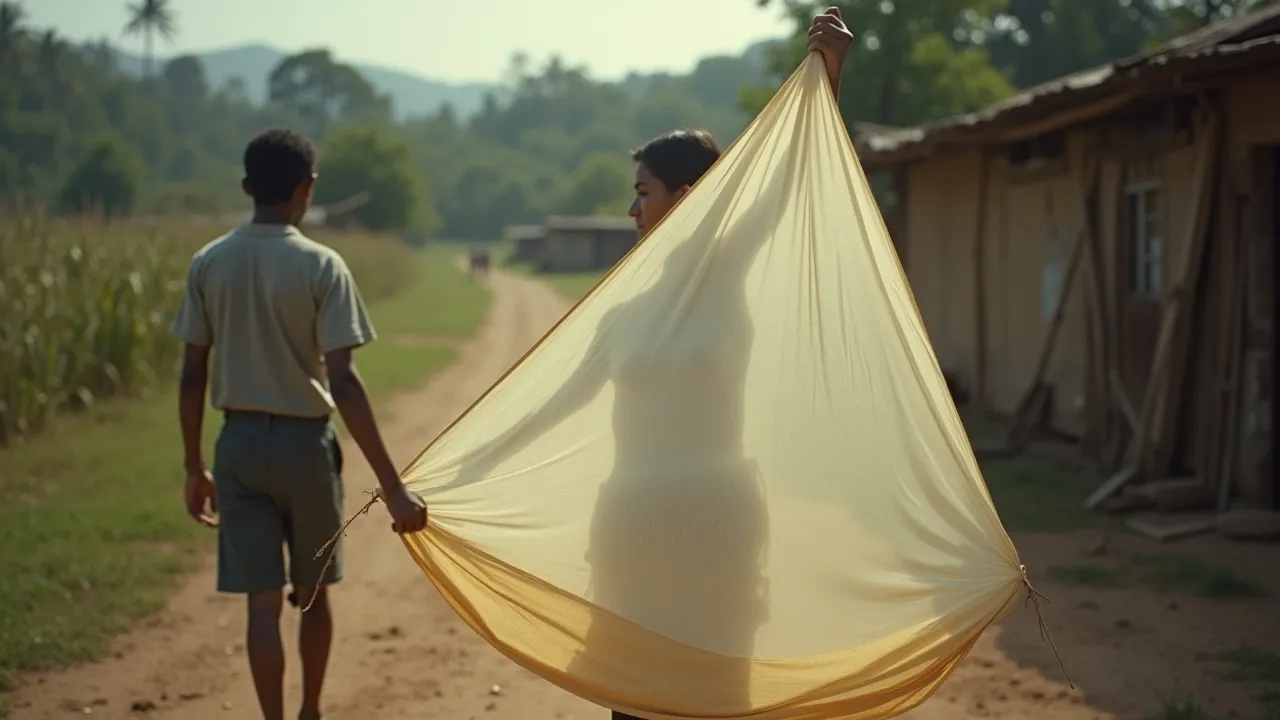
World Mosquito Day, observed on August 20th, commemorates Sir Ronald Ross's 1897 discovery that female mosquitoes transmit malaria. It aims to raise awareness about mosquito-borne diseases and promote prevention efforts worldwide.
The Historical Origins & Evolutionary Journey of World Mosquito Day
World Mosquito Day is observed annually on August 20th to mark a pivotal moment in medical history: the discovery by British doctor Sir Ronald Ross in 1897 that female Anopheles mosquitoes transmit malaria. This breakthrough laid the foundation for modern vector control and earned Ross the Nobel Prize in Physiology or Medicine in 1902. The day was first officially celebrated in the 1930s by the London School of Hygiene & Tropical Medicine (LSHTM), which continues to host annual events.
The Foundational Catalyst: Sir Ronald Ross's Discovery
While working in Secunderabad, India, Ross conducted meticulous experiments dissecting mosquitoes that had fed on malarial patients. On August 20, 1897, he identified the malaria parasite within the gut of a mosquito, proving the transmission mechanism. This discovery revolutionized public health and earned him a knighthood. Ross's diary entry that day read: "The angel of death is abroad in the land; you can almost hear the beating of his wings."
Legislative and Official Adoption
Although not a public holiday, World Mosquito Day gained recognition through initiatives by the LSHTM, the World Health Organization (WHO), and global health nonprofits. In 2007, the first World Malaria Day was established on April 25, complementing the mosquito-focused observance in August. Many countries now use World Mosquito Day to launch vector control campaigns and host educational seminars.
Modern Global Legacy
Today, World Mosquito Day serves as a platform to highlight the ongoing burden of mosquito-borne diseases such as malaria, dengue, Zika, chikungunya, and yellow fever. Events include symposia, community clean-ups to eliminate breeding sites, and distribution of insecticide-treated bed nets. The day also underscores the importance of research into new tools like gene drives and Wolbachia-infected mosquitoes.
How to Celebrate World Mosquito Day: A Global Guide
Celebrating World Mosquito Day can be both educational and action-oriented. Below are specific practices that individuals, schools, and organizations can adopt, with regional variations noted.
Individual Actions
- Educate Yourself: Read about mosquito-borne diseases and share facts on social media using #WorldMosquitoDay.
- Protect Your Home: Eliminate standing water in containers, gutters, and flowerpots to reduce breeding sites.
- Use Preventive Tools: Sleep under insecticide-treated bed nets, apply EPA-approved repellents, and wear long sleeves outdoors.
School and Community Events
- Organize a clean-up drive in local parks and drainage areas.
- Host a poster contest on mosquito prevention for children.
- Invite a local health official to give a talk on vector control.
Organizational and Corporate Participation
- Companies can sponsor bed net distributions in malaria-endemic regions through partners like the Malaria No More foundation.
- Research institutions may open laboratories for public tours, showcasing mosquito dissection or Wolbachia projects.
Regional Variations
In sub-Saharan Africa, where malaria is most deadly, World Mosquito Day often involves large-scale net distribution and community health rallies. In Southeast Asia, focus shifts to dengue prevention with campaigns targeting Aedes aegypti breeding sites. In Europe and North America, the day is used to highlight travel risks and support global health funding.
The Global Burden of Mosquito-Borne Diseases
Mosquitoes are responsible for more human deaths than any other animal, causing hundreds of thousands of fatalities annually. According to the WHO, malaria alone killed an estimated 619,000 people in 2021, mostly children under five in Africa. Dengue has seen a dramatic rise, with 100-400 million infections each year. Other diseases like Zika, chikungunya, and yellow fever add to the toll.
Malaria
Transmitted by Anopheles mosquitoes, malaria is preventable and curable. The WHO's Global Technical Strategy for Malaria 2016-2030 aims to reduce incidence and mortality by 90%.
Dengue
Dengue is caused by dengue virus (DENV) and spread by Aedes mosquitoes. It is now endemic in over 100 countries, with severe cases leading to hemorrhagic fever.
Zika and Chikungunya
Zika, associated with microcephaly in newborns, and chikungunya, causing severe joint pain, have both caused major outbreaks in the Americas and Asia.
World Mosquito Day underscores the need for sustained investment in vector control, vaccines, and health systems.
Innovations in Mosquito Research and Control
Scientific progress is critical to reducing the mosquito threat. World Mosquito Day highlights several cutting-edge approaches:
- Wolbachia Bacteria: Infecting Aedes mosquitoes with Wolbachia reduces their ability to transmit dengue and Zika. The World Mosquito Program has released Wolbachia-carrying mosquitoes in several countries.
- Gene Drive: A controversial but powerful technique that spreads a genetic modification through wild mosquito populations, potentially suppressing or replacing them. Field trials are being debated.
- Sterile Insect Technique (SIT): Releasing sterile male mosquitoes to reduce reproduction rates. Used successfully against other pests, it is now being tested for Aedes aegypti.
- New Insecticides: Because mosquitoes develop resistance, new classes like neonicotinoids and biopesticides are under development.
Research progress is shared at events held on World Mosquito Day, such as the annual symposium at LSHTM.
Prevention and Control Strategies for Individuals and Communities
Effective mosquito control requires a combination of personal protection and community-level measures. World Mosquito Day promotes these evidence-based strategies:
Personal Protection
- Use mosquito nets treated with insecticides (ITNs) while sleeping.
- Apply repellents containing DEET, picaridin, or oil of lemon eucalyptus.
- Wear protective clothing such as long sleeves and pants, especially during dawn and dusk when many mosquitoes are active.
- Install window and door screens to prevent mosquitoes from entering homes.
Community and Environmental Management
- Eliminate stagnant water sources where mosquitoes breed: old tires, flowerpots, clogged gutters, and water storage containers.
- Support larvicide programs that treat water bodies with biological control agents.
- Participate in clean-up campaigns organized by local health departments.
In endemic regions, indoor residual spraying (IRS) and mass drug administration are also used. World Mosquito Day encourages advocacy for sustained funding for these programs.
How to Get Involved: Advocacy, Fundraising, and Education
World Mosquito Day offers opportunities for everyone to contribute to the fight against mosquito-borne diseases. Here are actionable ways to get involved:
- Donate to reputable organizations like the Malaria No More, World Mosquito Program, or UNICEF that distribute nets and conduct research.
- Raise awareness on social media by sharing infographics and facts using #WorldMosquitoDay.
- Volunteer with local health departments or NGOs in vector control activities.
- Write to your elected representatives urging continued support for global health funding.
- Organize a fundraising event such as a charity run or bake sale with proceeds going to mosquito control initiatives.
Educational institutions can integrate mosquito-borne disease topics into their curricula, following the example of many schools that hold special assemblies on August 20th. By taking these steps, individuals can join a global movement to reduce suffering from these preventable diseases.
Historical Timeline
Sir Ronald Ross discovers that female Anopheles mosquitoes transmit malaria on August 20, 1897.
Ross is awarded the Nobel Prize in Physiology or Medicine for his discovery.
The London School of Hygiene & Tropical Medicine begins observing World Mosquito Day annually on August 20.
World Health Organization launches the Global Malaria Eradication Programme, which ends in 1969 after partial success.
Roll Back Malaria partnership is established to coordinate global efforts against malaria.
World Malaria Day is established on April 25, complementing World Mosquito Day.
WHO adopts the Global Technical Strategy for Malaria 2016-2030.
WHO recommends widespread use of the RTS,S/AS01 (Mosquirix) malaria vaccine for children in sub-Saharan Africa.
The World Mosquito Program releases Wolbachia-infected mosquitoes in several countries to combat dengue.