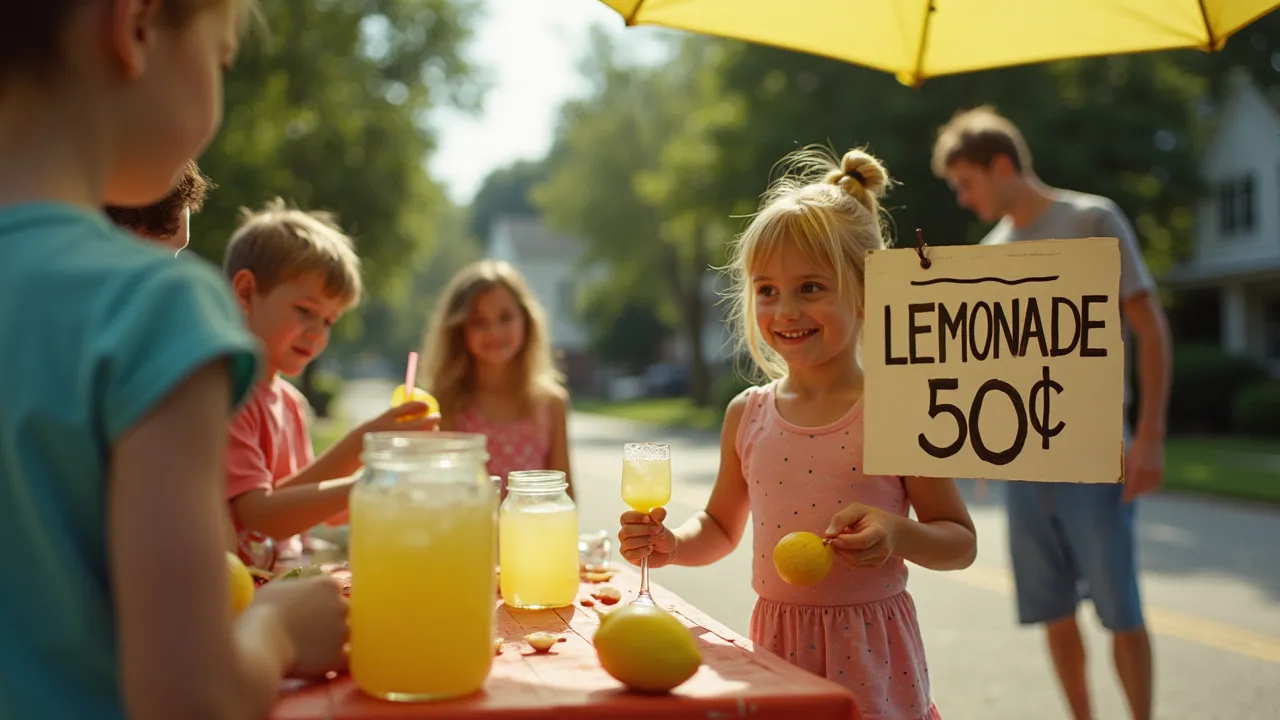
National Lemonade Day on August 20th celebrates the timeless tradition of selling lemonade, teaching entrepreneurship, and refreshing community spirit. From humble home stands to nationwide events, it highlights the joy of summer and small business skills.
The Historical Origins & Evolutionary Journey
National Lemonade Day, observed annually on August 20th, has deep roots in American summertime nostalgia. While the exact origins of the observance remain informal, the tradition of children selling lemonade from roadside stands dates back to the late 19th century.
The Foundational Catalyst
The modern push for a dedicated day began in the early 2000s when community organizations recognized the lemonade stand as a powerful tool for teaching basic business principles. The concept of a national day gained traction through social media and grassroots campaigns, with August 20th chosen as the official date to coincide with the peak of summer heat and the return of families from vacations.
The Legislative/Official Adoption
In 2013, the National Day Calendar officially recognized August 20th as National Lemonade Day after receiving petitions from educators and parents. Several states issued proclamations encouraging citizens to set up stands, with proceeds often donated to children's charities. Unlike many food-centric holidays, this day emphasizes youth entrepreneurship rather than just consumption.
Modern Global Legacy
Today, National Lemonade Day has expanded beyond simple stands. Schools incorporate it into curricula, teaching budgeting, marketing, and customer service. In 2020, virtual lemonade stands raised funds for pandemic relief. The day now also highlights diverse lemonade varieties, from classic to lavender and mint, reflecting global culinary influences.
How to Celebrate National Lemonade Day
Celebrating National Lemonade Day offers countless ways to enjoy the tradition while fostering learning and community bonding. Below are actionable strategies for individuals, schools, and organizations across the globe.
For Individuals and Families
- Set up a classic stand: Choose a visible location, create a colorful sign, price your lemonade competitively (e.g., $0.50 to $1.00), and offer free samples.
- Experiment with recipes: Try strawberry-basil, honey-ginger, or sparkling lemonade. Use fresh lemons and natural sweeteners.
- Donate proceeds: Pick a local charity or animal shelter and advertise your cause to attract more customers.
- Host a neighborhood competition: Award prizes for best stand design, most creative flavor, or highest sales.
For Schools and Youth Groups
- Classroom project: Have students form teams to develop a business plan, including cost analysis, marketing materials, and profit projections.
- Cross-curricular activities: Teach math through pricing and change, art through sign-making, and social studies through the history of lemonade.
- Virtual lemonade stand: Use online platforms to sell digital recipe cards or accept donations for a class cause.
For Organizations and Corporations
Companies can sponsor #LemonadeDay events, match employee donations, or host office lemonade contests. Nonprofits can engage volunteers to set up stands at community hubs like parks or farmer's markets.
Regional Traditions
In the United States, many towns issue permits for temporary stands, while in the UK, similar days align with summer fetes. Australia celebrates with backyard events under the sun. In Japan, lemonade stands (often called "remonēdo no mise") are popular at school festivals, emphasizing politeness and teamwork.
Global Impact & Cultural Significance
National Lemonade Day transcends its simple premise to influence culture, education, and charity worldwide. It serves as a universal symbol of youthful ambition and community warmth.
Economic Empowerment
For many children, running a lemonade stand is their first taste of earning money. Studies show that such early entrepreneurial experiences boost financial literacy and confidence. In developing countries, lemonade stands provide a low-barrier entry into micro-enterprise, with local adaptations using native fruits like mangoes or limes.
Community Bonding
The day encourages face-to-face interaction in an increasingly digital world. Neighbors meet, strangers smile, and shared transactions create a sense of belonging. Many stands partner with food banks or shelters, turning a simple drink into a force for good.
Environmental Awareness
Modern celebrations often emphasize sustainability: reusable cups, organic lemons, and compostable straws. Some communities tie the day to tree-planting drives, linking lemonade's citrus origins to environmental stewardship.
Health & Nutritional Aspects of Lemonade
While National Lemonade Day is about fun, it also provides an opportunity to discuss healthy refreshment. Traditional lemonade is high in sugar, but adaptations can align with wellness trends.
Classic vs. Modern Recipes
- Traditional: Fresh lemon juice, water, and sugar (often ¾ cup sugar per quart).
- Healthier versions: Use honey, stevia, or agave; add cucumber or mint for flavor without extra calories.
- Low-sugar options: Dilute with sparkling water or serve as a spritzer.
Nutritional Profile
Lemons are rich in vitamin C, antioxidants, and citric acid, which aids digestion. A standard 8-ounce serving of homemade lemonade contains about 100 calories, mostly from sugar. By controlling ingredients, families can enjoy a treat that is both delicious and mindful.
Business Lessons from Lemonade Stands
The humble lemonade stand is a microcosm of real-world business. National Lemonade Day provides a perfect laboratory for teaching core concepts.
Key Entrepreneurial Skills
- Market Research: Survey neighbors to determine demand and pricing.
- Cost Management: Calculate costs of lemons, cups, and ice versus expected sales.
- Branding: Create a stand name, logo, and color scheme.
- Sales & Marketing: Use social media or sidewalk chalk to advertise.
Real-Life Success Stories
Many famous entrepreneurs, including Warren Buffett and Richard Branson, started with lemonade stands. In 2019, a 7-year-old in Texas raised $10,000 for cancer research through her stand, attracting corporate sponsors. Such stories inspire a new generation to dream big.
Creative Lemonade Recipes for the Day
To make your National Lemonade Day stand out, experiment with unique flavors. Here are crowd-pleasing variations.
Fruit-Infused Lemonades
- Strawberry Lemonade: Blend fresh strawberries with lemons and honey.
- Watermelon-Cucumber: Puree watermelon and cucumber, strain, and mix with lemon juice.
- Lavender Blueberry: Steep dried lavender in warm water, then combine with blueberry syrup.
Spicy & Herbal Twists
- Ginger Turmeric: Grate fresh ginger and turmeric into the mix for anti-inflammatory benefits.
- Mint & Basil: Muddle herbs with lemon and soda water.
Tips for Perfect Lemonade
- Use room-temperature lemons for maximum juice yield.
- Simple syrup (dissolved sugar) blends more smoothly than granular sugar.
- Chill thoroughly before serving to avoid diluting with ice.
Historical Timeline
First documented children's lemonade stands in the United States, often run by immigrant families to supplement income.
A popular song 'Lemonade Stand' by James W. Johnson captures the cultural charm of the roadside business.
Lemonade stands become a staple of American summers, featured in TV shows like 'Leave It to Beaver'.
The nonprofit 'Lemonade Day' is founded in Houston, Texas, by Michael Holthouse, aiming to teach entrepreneurship to youth. (Initially celebrated on first Sunday in May.)
National Day Calendar officially recognizes August 20th as National Lemonade Day, separate from the spring program, to serve as a universal summer celebration.
Multiple cities issue official proclamations for August 20th, with mayors joining children at stands to kick off the day.
During the COVID-19 pandemic, virtual lemonade stands emerge, with families hosting donation-based stands online to support healthcare workers.
National Lemonade Day gains international attention, with celebrations recorded in Canada, Australia, and the UK, each adapting local fruits and flavors.