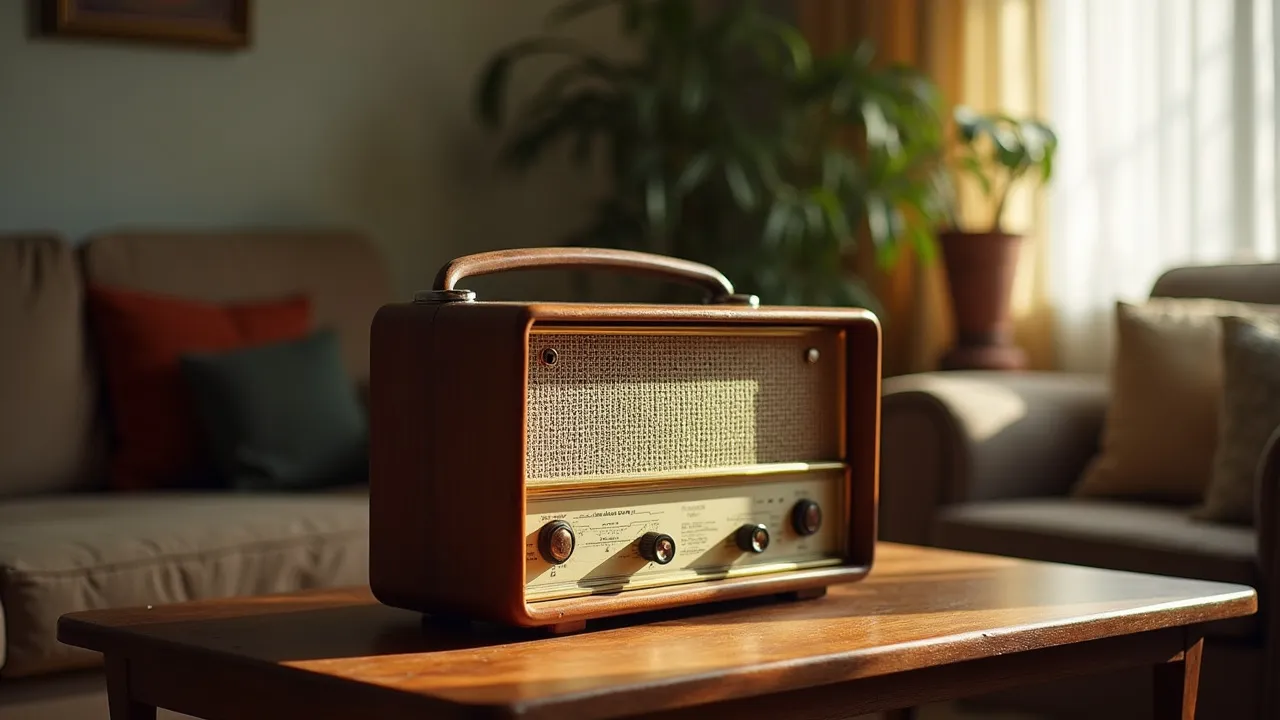
National Radio Day on August 20th honors the birth of commercial radio and celebrates the enduring power of broadcasting. Discover the history, global impact, and ways to tune in to this timeless medium.
The Historical Origins & Evolutionary Journey
National Radio Day, observed annually on August 20th, commemorates the birth of commercial radio in the United States. On this date in 1920, Detroit station 8MK (now WWJ) aired the first commercial radio broadcast, marking a revolutionary moment in mass communication. The day itself was first officially celebrated in 1991, spearheaded by radio industry advocates to honor the medium's profound cultural and technological legacy.
The Foundational Catalyst
Radio's development was a culmination of scientific breakthroughs in the late 19th and early 20th centuries. Key figures like Guglielmo Marconi, Nikola Tesla, and Heinrich Hertz paved the way for wireless transmission. By the 1910s, experimental broadcasts were underway, but it was the August 20, 1920, broadcast by 8MK that proved radio's commercial viability. The station, operated by the Detroit News, aired news, music, and election results, captivating listeners and sparking a nationwide craze.
The Legislative/Official Adoption
The recognition of National Radio Day emerged from grassroots efforts. In 1991, a coalition of broadcasters and radio historians lobbied for an official day to celebrate the medium. While never declared a federal holiday, it gained widespread observance through media campaigns and public participation. The date August 20th was chosen to align with the 1920 milestone, anchoring the day in historical significance.
Modern Global Legacy
Today, National Radio Day extends beyond US borders, with radio enthusiasts worldwide using the date to appreciate radio's resilience amid digital disruption. The medium has evolved from AM/FM to satellite, HD, and internet streaming, yet its core role—informing, entertaining, and connecting communities—remains unchanged. National Radio Day serves as a reminder of radio's enduring relevance in an increasingly visual world.
How to Celebrate National Radio Day
National Radio Day offers endless opportunities for individuals, schools, and organizations to engage with the medium. Below are actionable strategies spanning personal, educational, and commercial activities.
For Individuals
- Tune into a Local Station: Spend the day listening to a community or public radio station. Many stations air special programming, including interviews with DJs and historical segments.
- Build a Crystal Radio: Recreate the early days by constructing a simple crystal set radio using a diode, wire, and earphone. It's a hands-on way to understand radio physics.
- Start a Podcast: Modern radio's sibling—podcasting—lets you create audio content. Use the day to launch a podcast on a topic you love.
- Visit a Radio Museum: Many cities have museums dedicated to radio history. Check local listings for special events.
For Schools & Educational Institutions
- Radio History Lesson: Incorporate a lesson on the invention of radio, including key inventors and the first broadcast. Use primary source audio clips.
- Student Radio Station: Set up a temporary station for the day where students produce news, music, and talk shows.
- Field Trip: Arrange a visit to a local radio station to understand broadcast operations.
For Organizations & Broadcasters
- Community Broadcast: Encourage local businesses to sponsor radio contests or donate to public radio.
- Social Media Campaign: Launch a hashtag like #NationalRadioDay and share behind-the-scenes content from radio studios.
- On-Air Fundraiser: Many public radio stations use the day for pledge drives, emphasizing radio's value.
In countries like India, community radio stations host open-mic events; in the UK, BBC stations run special retrospectives; in Brazil, radio stations host live music concerts. These regional variations enrich the global celebration.
The Global Impact of Radio Broadcasting
Radio remains one of the most accessible and pervasive mass media, reaching over 75% of households in developing countries. Its impact spans education, emergency communication, and cultural preservation.
Emergency Communication
During natural disasters, radio is often the only surviving communication channel. For instance, during Hurricane Katrina (2005) and the 2004 Indian Ocean tsunami, radio stations provided life-saving information when power and internet failed. National Radio Day highlights this critical role.
Educational Outreach
Radio schools, such as Australia's School of the Air and interactive radio instruction in Africa, have educated millions. Programs like NPR's Radio Diaries document oral history, empowering marginalized voices.
Cultural Preservation
Indigenous radio stations preserve languages and traditions. In Canada, Aboriginal Peoples Television Network (APTN) radio broadcasts in Cree and Inuktitut. This day celebrates radio's role in cultural identity.
Technological Transformations in Radio
From vacuum tubes to digital audio broadcasting (DAB), radio technology has continuously evolved. Key milestones include:
- AM Radio (1920s): Amplitude modulation enabled long-distance broadcasting.
- FM Radio (1930s): Frequency modulation offered higher fidelity and less static.
- Satellite Radio (1990s): Services like SiriusXM provided nationwide coverage with niche channels.
- Internet Radio (2000s): Streaming platforms like TuneIn and iHeartRadio let listeners access global stations.
- HD Radio (2010s): In-band on-channel technology allowed digital multicasting on AM/FM frequencies.
These advancements have made radio more versatile, but the fundamental principle of transmitting audio wirelessly remains intact. National Radio Day honors both the heritage and the innovation.
Radio's Role in Democracy and Social Movements
Radio has been a tool for political change and public discourse. During the Civil Rights Movement, black-owned radio stations like WDIA in Memphis broadcasted speeches and songs, mobilizing activists. In Eastern Europe, radio played a key role in the fall of communism, with stations like Radio Free Europe spreading uncensored news.
Talk Radio and Public Forum
Talk radio formats, pioneered by programs like The Larry King Show and Rush Limbaugh, have shaped political debate. Today, podcasts continue this tradition, allowing unfiltered expression.
Community Radio as a Democratic Medium
Low-power FM stations provide platforms for local voices, often covering issues ignored by mainstream media. National Radio Day encourages support for these grassroots outlets.
The Future of Radio in a Digital Age
Despite predictions of radio's demise, the medium adapts. Audio consumption is at an all-time high due to podcasts and smart speakers. According to Edison Research, 60% of Americans listen to AM/FM radio weekly. Future trends include:
- Personalized Audio: AI-driven curation tailors content to individual preferences.
- Hybrid Radio: Combining broadcast with internet interactivity (e.g., visual metadata, clickable ads).
- 5G Integration: Enhanced bandwidth for seamless streaming and new services.
National Radio Day not only looks back but also forward, inspiring the next generation of audio innovators.
Historical Timeline
August 20: Station 8MK (WWJ) in Detroit airs the first commercial radio broadcast, featuring news, music, and election results.
The BBC is founded in the UK, beginning regular broadcasting.
Edwin Armstrong patents FM radio, offering static-free transmission.
The transistor is invented, enabling portable radios.
The first transistor radio, the Regency TR-1, goes on sale.
First official National Radio Day celebration in the United States on August 20th.
Sirius Satellite Radio launches, providing nationwide satellite radio service.
UNESCO establishes World Radio Day on February 13, separate from National Radio Day.
Centennial of commercial radio; stations worldwide air special programs marking 100 years.