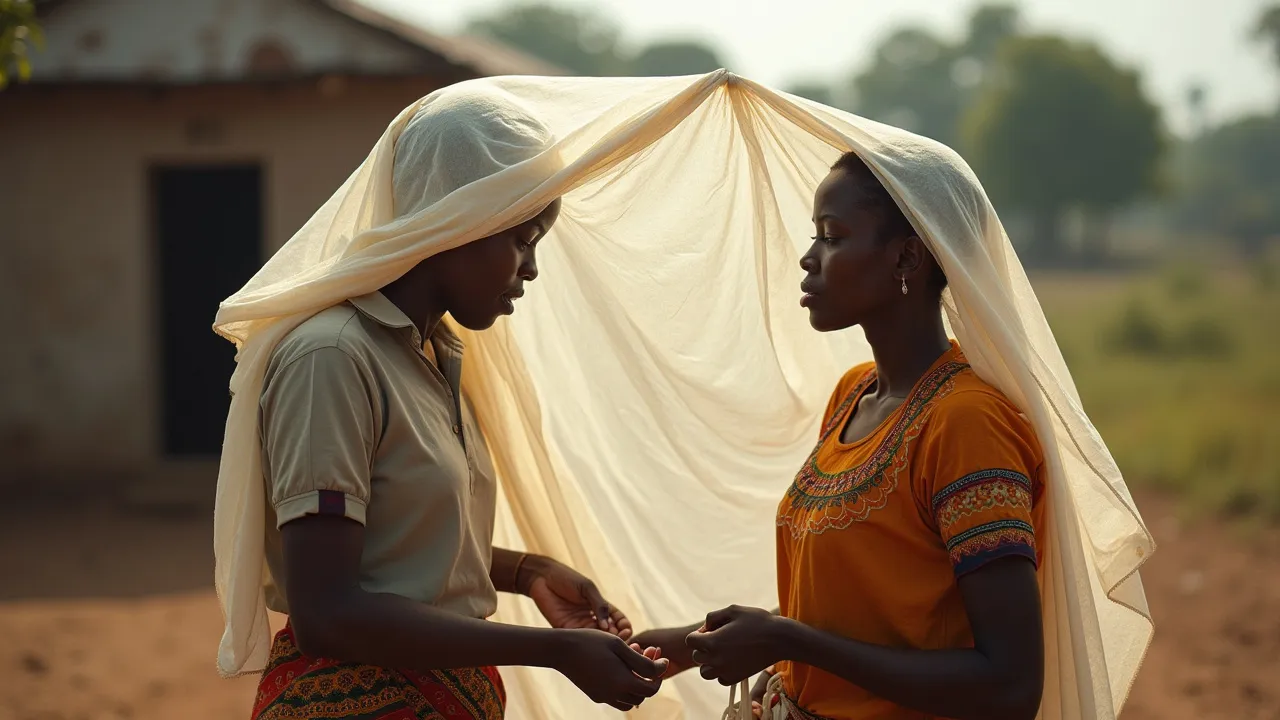
World Malaria Day, observed on April 25th, is a global awareness day led by the World Health Organization to highlight efforts to end malaria. It mobilizes action to prevent, diagnose, and treat this deadly mosquito-borne disease.
The Historical Origins & Evolutionary Journey
World Malaria Day was established in May 2007 by the World Health Assembly, the decision-making body of the World Health Organization (WHO). It was created to provide an annual occasion for global recognition and action against malaria, a disease that has plagued humanity for millennia. The first official observance took place on April 25, 2008, replacing the earlier Africa Malaria Day, which had been celebrated since 2001. The shift from a regional to a global day underscored the universal threat and the need for worldwide solidarity.
The Foundational Catalyst
Malaria is caused by parasites of the genus Plasmodium, transmitted through the bites of infected female Anopheles mosquitoes. Historical records mention malaria in ancient Greek, Roman, Indian, and Chinese texts. The disease was linked to swamps and described as 'bad air' (mal aria in Italian). The discovery of the parasite in 1880 by Charles Louis Alphonse Laveran and the mosquito transmission hypothesis by Ronald Ross in 1897 laid the scientific foundation for modern control strategies.
The Legislative/Official Adoption
The World Health Assembly's decision in 2007 came after years of advocacy by the Roll Back Malaria Partnership and the global health community. The adoption of World Malaria Day aimed to sustain political commitment, mobilize resources, and empower communities. It also served as a platform to highlight the success stories and the challenges remaining, such as the emergence of drug-resistant parasites and insecticide-resistant mosquitoes.
Modern Global Legacy
Since its inception, World Malaria Day has contributed to significant progress. According to the WHO World Malaria Report 2023, global malaria cases and death rates have declined substantially, though progress has stalled in recent years due to funding gaps and the COVID-19 pandemic. The day is now marked by events worldwide, including bed net distributions, educational campaigns, media coverage, and fundraising drives. The theme for 2024 is 'Accelerate the fight against malaria for a more equitable world.'
How to Celebrate World Malaria Day
Celebrating World Malaria Day involves a combination of awareness, advocacy, and direct action. Individuals, schools, organizations, and governments can participate in various ways to help eliminate malaria. Below are actionable strategies.
For Individuals and Families
- Educate Yourself and Others: Learn about malaria transmission, symptoms, and prevention. Share accurate information on social media using hashtags like #WorldMalariaDay.
- Donate to Reputable Organizations: Contribute to the WHO, the Global Fund, or charities like Malaria No More UK and Nothing But Nets.
- Support Fundraising Events: Participate in runs, bake sales, or online campaigns that raise money for bed nets and antimalarial drugs.
For Schools and Universities
- Organize Awareness Assemblies: Host talks by health experts or show documentaries about malaria impact and prevention.
- Hold Art and Essay Contests: Encourage students to express their understanding of malaria through creative works.
- Fundraise for Nets: Coordinate a class donation drive to purchase insecticide-treated mosquito nets for endemic regions.
For Organizations and Corporations
- Launch Internal Education Campaigns: Provide resources to employees about malaria prevention, especially if traveling to endemic areas.
- Match Employee Donations: Double the impact of staff contributions to malaria charities.
- Advocate for Policy Change: Engage with lawmakers to increase funding for malaria programs and research.
Around the world, celebrations vary by region. In sub-Saharan Africa, community health workers often hold bed net distribution events and educational dramas. In Southeast Asia, countries like Myanmar and Indonesia conduct mass mosquito control activities. In the United States, events are often focused on fundraising and global advocacy. World Malaria Day is a platform to unite diverse actions toward the common goal of a malaria-free world.
Global Impact and Burden of Malaria
Malaria remains a major public health challenge, primarily affecting tropical and subtropical regions. According to the WHO, in 2022 there were an estimated 249 million malaria cases and 608,000 deaths worldwide. The African Region shoulders the heaviest burden, accounting for approximately 95% of all cases and 96% of deaths. Children under five years old are the most vulnerable, making up about 80% of all malaria deaths.
Economic Consequences
Malaria imposes a heavy economic toll on endemic countries. The disease reduces GDP growth by up to 1.3% per year in some African nations. It causes loss of productivity, increases household medical expenses, and discourages investment. The World Bank estimates that malaria costs Africa an estimated $12 billion in lost productivity each year.
Socioeconomic Disparities
Malaria disproportionately affects poor and marginalized communities. Factors such as lack of access to healthcare, inadequate housing, and limited education increase susceptibility. Pregnant women and young children suffer the most severe consequences, including maternal anemia, low birth weight, and stillbirth.
Prevention and Control Strategies
Effective malaria control relies on a combination of vector control, chemoprevention, and prompt diagnosis and treatment. Key interventions include:
- Insecticide-Treated Mosquito Nets (ITNs): Sleeping under an ITN is one of the most effective ways to prevent malaria. The distribution of free nets has saved millions of lives since the early 2000s.
- Indoor Residual Spraying (IRS): Spraying the walls of homes with insecticides kills mosquitoes that rest indoors. This method has significantly reduced malaria transmission in many regions.
- Antimalarial Drugs: Preventive therapy for pregnant women (IPTp), seasonal malaria chemoprevention (SMC) for children, and prompt treatment with artemisinin-based combination therapies (ACTs) are crucial.
- Vaccination: The RTS,S/AS01 vaccine (Mosquirix) has been introduced in pilot programs in Ghana, Kenya, and Malawi, showing promising results in reducing severe malaria.
Challenges in Control
Resistance to insecticides and antimalarial drugs threatens progress. Anopheles mosquitoes are developing resistance to pyrethroids, the most common insecticide used in nets. Similarly, partial resistance to artemisinin has emerged in Southeast Asia and parts of Africa. Integrated vector management and new drug development are urgent priorities.
Research and Innovation in Malaria
Ongoing research is critical to overcoming malaria. Scientists are investigating new tools and approaches, including:
- New Insecticides and Net Technologies: The development of dual-active ingredient nets, such as those combining pyrethroids with chlorfenapyr or piperonyl butoxide, to combat resistant mosquitoes.
- Next-Generation Vaccines: The R21/Matrix-M vaccine, which recently showed over 75% efficacy in early trials, is expected to be a game-changer.
- Gene Drive Technology: Genetically modified mosquitoes that can suppress vector populations are being explored, though ethical and ecological considerations remain.
- Diagnostic Innovations: Rapid diagnostic tests (RDTs) are now widely used, but new tools that can detect low-density infections and drug resistance are in development.
Investment in research and development is crucial. The WHO Global Technical Strategy for Malaria 2016-2030 calls for accelerated innovation to achieve a 90% reduction in malaria case incidence and mortality rates by 2030.
Community Engagement and Grassroots Movements
Community involvement is vital for successful malaria programs. Local health workers, volunteers, and community leaders are often the first line of defense. World Malaria Day highlights these efforts and encourages community-driven solutions.
Role of Community Health Workers
Community health workers (CHWs) are trained to diagnose malaria using RDTs, distribute bed nets, and administer treatment. They bridge the gap between rural populations and formal health systems. For example, in Ethiopia, the Health Extension Program has deployed CHWs to every village, resulting in significant coverage of malaria interventions.
Cultural and Social Norms
Understanding local beliefs and practices is essential. In some communities, there may be misconceptions about malaria causes or treatment. Engaging traditional healers and religious leaders can enhance acceptance and adoption of prevention measures. Participatory approaches, such as community-led total sanitation, have also been adapted for malaria control.
The Role of International Partnerships and Funding
Global malaria efforts rely heavily on international cooperation and financing. The Global Fund to Fight AIDS, Tuberculosis and Malaria is the largest external funder of malaria programs, providing an estimated 60% of all international financing. Other key players include the U.S. President’s Malaria Initiative (PMI), the Bill & Melinda Gates Foundation, and UNICEF.
Funding Gaps
Despite progress, funding remains insufficient. The WHO estimates that $7.8 billion is needed annually for malaria control and elimination, but only about $3.5 billion is available. This shortfall leads to missed opportunities, such as incomplete net coverage and stockouts of drugs.
Political Will and Advocacy
Sustained political commitment is essential. The African Union’s ‘Zero Malaria Starts with Me’ campaign has mobilized heads of state to prioritize elimination. World Malaria Day serves as a catalyst for raising awareness among policymakers and the public, urging increased resource allocation.
Historical Timeline
Charles Louis Alphonse Laveran discovers the malaria parasite in the blood of infected patients, earning the Nobel Prize in 1907.
Ronald Ross demonstrates that the Anopheles mosquito transmits malaria, leading to vector control strategies.
The WHO launches the Global Malaria Eradication Programme, but it is later abandoned due to technical and operational challenges.
The Abuja Declaration is signed by African heads of state, committing to halve malaria mortality by 2010.
Africa Malaria Day is first observed to raise awareness about the continent's malaria burden.
The Global Fund to Fight AIDS, Tuberculosis and Malaria is established, providing major funding for malaria control.
The President's Malaria Initiative (PMI) is launched by the US government, significantly scaling up interventions in high-burden countries.
The World Health Assembly establishes World Malaria Day, to be observed annually on April 25 starting in 2008.
First World Malaria Day is celebrated globally, replacing Africa Malaria Day.
The RTS,S/AS01 malaria vaccine begins pilot implementation in Ghana, Kenya, and Malawi.
The WHO certifies China as malaria-free, a major achievement after decades of effort.
The R21/Matrix-M vaccine shows high efficacy in phase III trials, offering hope for a new tool against malaria.