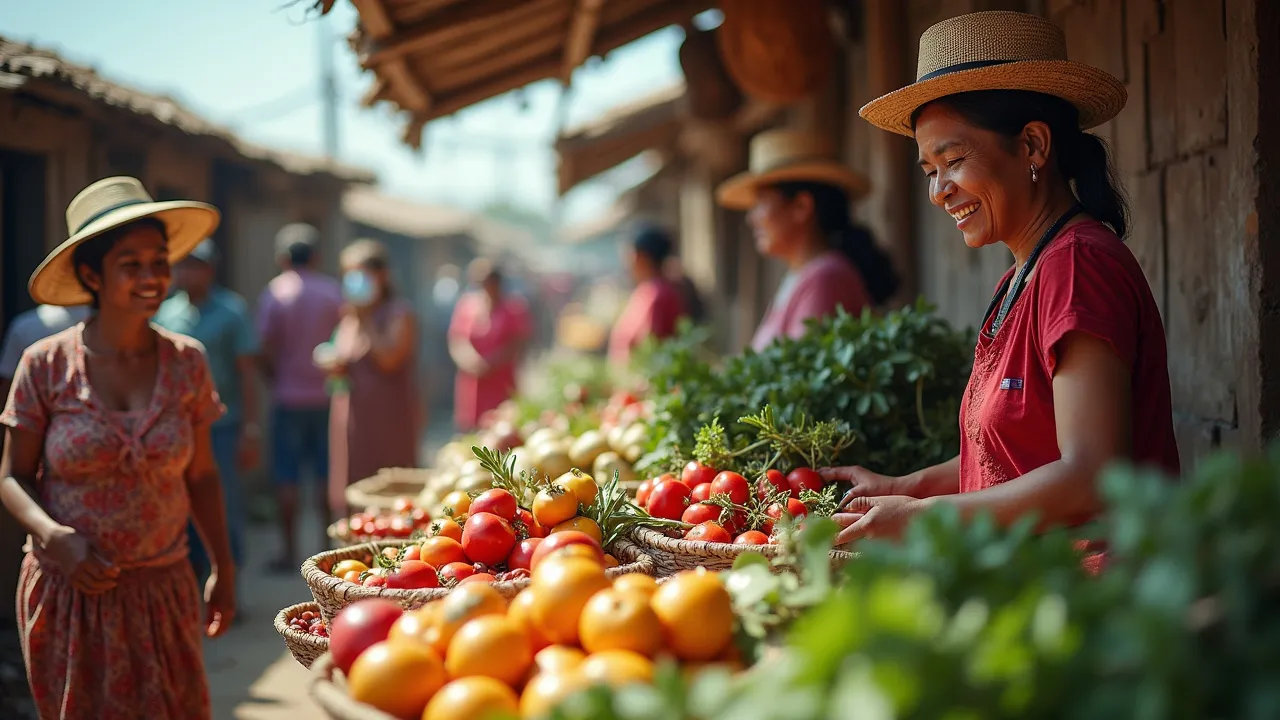
World Fair Trade Day, observed on the second Saturday of May, promotes ethical consumerism and fair wages for producers in developing countries. It highlights the global movement toward equitable trade practices that empower communities and protect the environment.
The Historical Origins & Evolutionary Journey
World Fair Trade Day traces its roots to the broader fair trade movement that emerged in the mid-20th century as a response to global economic inequalities. The day was officially established by the World Fair Trade Organization (WFTO) in 2001, with the first global celebration taking place on May 8, 2004. The choice of the second Saturday in May was deliberate, allowing maximum participation from communities, schools, and businesses worldwide.
The Foundational Catalyst
The fair trade movement began in the 1940s and 1950s when NGOs and religious groups started importing handicrafts from impoverished communities in the Global South. Organizations like Ten Thousand Villages (founded in 1946) and Oxfam (opening its first fair trade shop in 1958) pioneered the concept of paying producers a fair price. By the 1980s, the movement gained momentum with the launch of the Max Havelaar label in 1988, the first fair trade certification, focused on coffee. This certification provided consumers with a recognizable symbol of ethical sourcing.
Legislative & Official Adoption
In 2001, the WFTO formally proposed an annual day to raise awareness and celebrate the achievements of fair trade. The first World Fair Trade Day in 2004 mobilized over 1,000 events in 70 countries. Key milestones include the adoption of fair trade policies by the European Union in 2006 and the passage of the Fair Trade Act in various developing nations. The day has since become a platform for advocating for the Sustainable Development Goals (SDGs), particularly SDG 8 (decent work) and SDG 12 (responsible consumption).
Modern Global Legacy
Today, World Fair Trade Day is marked by thousands of events ranging from educational workshops in schools to fair trade fashion shows in major cities. The day continues to evolve, incorporating digital campaigns like #FairTradeFutures and focusing on climate justice. The movement now encompasses over 1,000 certified producer organizations in 70+ countries, impacting the lives of 1.6 million farmers and workers.
How to Celebrate World Fair Trade Day
Celebrating World Fair Trade Day goes beyond a single day; it is about engaging in lifelong ethical consumption. Here is a definitive guide for individuals, schools, and organizations worldwide.
For Individuals
- Shop Fair Trade: Purchase certified coffee, chocolate, tea, bananas, clothing, and home decor. Look for the Fair Trade Certified seal or WFTO label.
- Host a Fair Trade Party: Invite friends to a potluck using only fair trade ingredients. Share stories of the producers behind the products.
- Educate Yourself: Watch documentaries like "The True Cost" (2015) or read "Fair Trade: A Beginner's Guide" by Jacqueline DeCarlo.
- Volunteer: Support local fair trade stores or chapters of organizations like Fair Trade Campaigns.
For Schools & Universities
- Curriculum Integration: Teachers can design lessons around fair trade economics, global citizenship, and environmental sustainability. Use resources from the Fair Trade Federation.
- Fair Trade Fashion Show: Students model clothing made from sustainable fibers and discuss the social impact of fast fashion.
- Fundraisers: Sell fair trade products to raise money for school projects or global charities.
For Organizations & Businesses
- Commit to the 10 Principles of Fair Trade: Adopt transparent supply chains and pay fair wages.
- Host Webinars: Partner with fair trade experts to discuss ethical sourcing and corporate responsibility.
- Launch a Product Line: Create a special edition fair trade product for the day and donate a percentage of profits to producer communities.
Regional Traditions
In Europe, cities hold fair trade markets and farmer's markets. In Latin America, producers organize community festivals showcasing their crafts. In the United States, universities compete in fair trade campus challenges. In Asia, the day emphasizes the role of women artisans through special exhibitions.
Global Impact & Economic Transformation
The fair trade movement has generated measurable economic benefits for millions of small-scale producers. According to the WFTO, fair trade sales globally exceeded $10 billion in 2020, with an annual growth rate of 8% before the pandemic. The premium paid on fair trade products—amounting to over $200 million in 2019—is reinvested into community projects such as schools, healthcare, and clean water initiatives.
Empowerment of Women
Fair trade has been a powerful tool for gender equality. Over 60% of fair trade producers are women, and many cooperatives have dedicated programs for women's leadership. For instance, the Divine Chocolate company, co-owned by Ghanaian cocoa farmers, ensures that women hold key decision-making roles.
Environmental Stewardship
Fair trade certification mandates sustainable farming practices, including prohibition of GMOs and reduction of chemical pesticides. Over 200,000 hectares of farmland are certified organic under fair trade guidelines. The movement actively supports reforestation and biodiversity, with projects like the Cocoa Forest program in West Africa.
Challenges & Criticisms
Despite its successes, fair trade faces criticism over certification costs and the concentration of benefits among the most organized producers. However, the movement continues to adapt, with initiatives like Fair Trade USA's cooperative development programs addressing these gaps.
Core Themes of World Fair Trade Day
Each year, World Fair Trade Day adopts a specific theme to focus global attention. Recent themes have included "Fair Trade for a Just Recovery" (2021), "Make the World Fair" (2020), and "Fair Trade: Building a Better Future" (2019). The underlying themes are consistent: fairness, sustainability, and solidarity.
The 10 Principles of Fair Trade
- Creating Opportunities for Economically Disadvantaged Producers – reducing poverty through trade.
- Transparency & Accountability – open financial and supply chain reporting.
- Fair Trading Practices – no forced labor or child labor.
- Fair Payment – living wages and fair prices.
- Ensuring No Child Labor & Forced Labor – protecting children's rights.
- Commitment to Non-Discrimination, Gender Equity & Women's Economic Empowerment – equal opportunities for all.
- Ensuring Good Working Conditions – safe and healthy environments.
- Providing Capacity Building – training and skills development.
- Promoting Fair Trade – raising awareness.
- Respect for the Environment – sustainable practices.
Industry Transformations Fueled by Fair Trade
The fair trade movement has spurred significant changes in several industries, especially coffee, chocolate, and textiles. In the coffee industry, fair trade has shifted the narrative from commodity to specialty, with consumers willing to pay a premium for ethically sourced beans. The growth of direct trade and roasteries that prioritize relationships with growers is a direct outcome.
Chocolate & Cocoa
The cocoa sector has been plagued by child labor and deforestation. Fair trade certification has driven major brands like Mars and Nestlé to commit to sustainable sourcing. Companies like Tony's Chocolonely, a Dutch brand, have inspired a "slave-free" chocolate movement, influencing the entire industry.
Fashion & Textiles
The fashion industry, one of the most polluting, has seen a rise in fair trade and ethical fashion labels. Brands like Patagonia, People Tree, and Reformation prioritize fair wages and sustainable materials. The day often highlights the importance of mending clothes, thrifting, and supporting artisans.
Agriculture & Food
Bananas, tea, and wine have seen major fair trade adoption. For instance, over 50% of bananas sold in the UK are now Fairtrade certified. The movement has also expanded to include flowers, gold, and sports balls.
Future Directions & Call to Action
World Fair Trade Day continues to encourage a shift from consumerism to conscious citizenship. As climate change threatens small farmers, fair trade is increasingly focusing on climate resilience. The WFTO's 2030 strategy emphasizes regenerative agriculture, living wage advocacy, and digital inclusion for remote producers.
How You Can Make a Difference
- Vote with your wallet: Choose fair trade whenever possible.
- Advocate: Lobby your government to support fair trade policies at the national and international levels.
- Share: Use social media to spread awareness using hashtags like #WorldFairTradeDay and #FairTradeFutures.
Historical Timeline
Ten Thousand Villages (then called "Self Help Crafts") begins selling handicrafts from Puerto Rican artisans, considered the first fair trade organization.
Oxfam opens its first fair trade shop in the UK, selling crafts made by Chinese refugees.
The Max Havelaar label is launched in the Netherlands, introducing the first fair trade certification for coffee.
The Fairtrade Labelling Organizations International (FLO) is established to unify certification standards.
The World Fair Trade Organization (WFTO) proposes the annual observance of World Fair Trade Day.
First official World Fair Trade Day celebrated on May 8 with over 1,000 events across 70 countries.
The European Union adopts a resolution supporting fair trade and commits to incorporating it into development policies.
Fair Trade USA splits from FLO, creating its own certification system to expand the movement in North America.
World Fair Trade Day aligns with the UN Sustainable Development Goals, particularly goals 8, 12, and 13.
Amid COVID-19, World Fair Trade Day focuses on the theme "Make the World Fair", supporting producers facing pandemic disruptions.
WFTO launches the "Fair Trade Futures" campaign, aiming to double the number of certified producers by 2030.