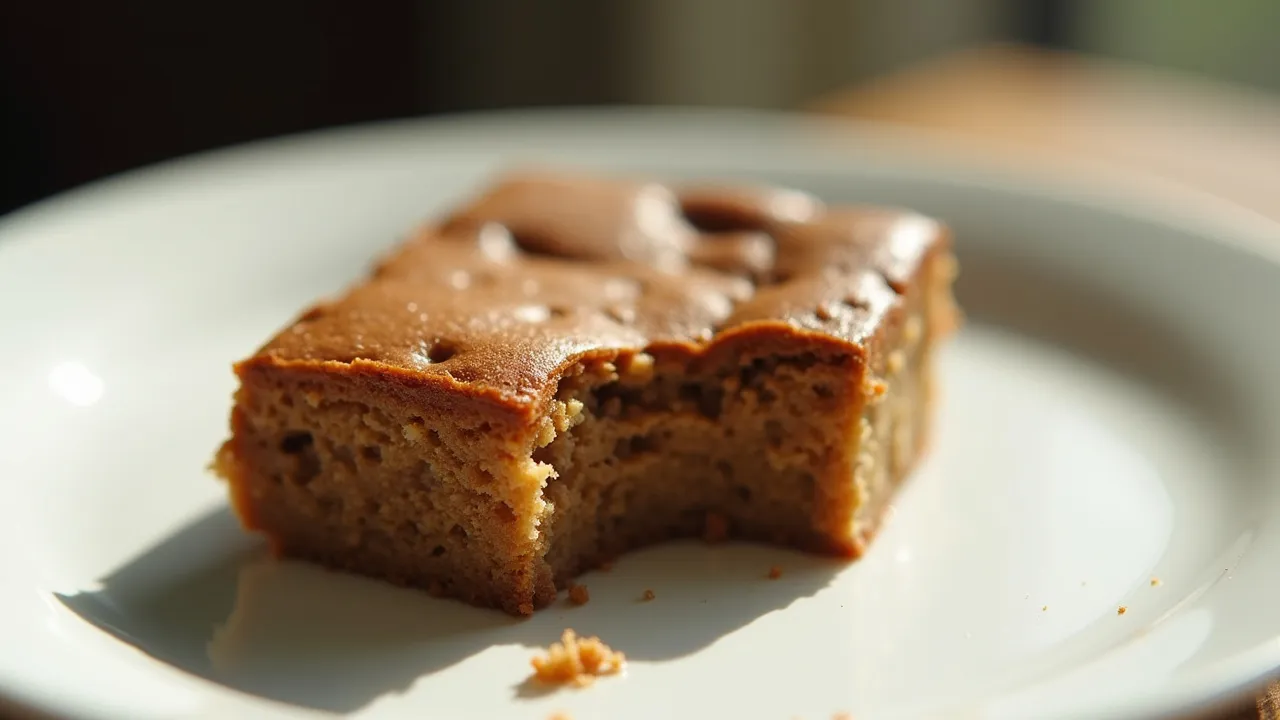
Celebrate National Butterscotch Brownie Day on May 9th by indulging in the rich, buttery flavor of butterscotch brownies. Learn about the history, best recipes, and creative ways to enjoy this beloved dessert.
The Historical Origins & Evolutionary Journey
National Butterscotch Brownie Day, observed annually on May 9th, is a celebration of a delightful fusion of two classic confections: butterscotch and brownies. While the exact origins of this food holiday are unclear, it is widely recognized by food enthusiasts and dessert lovers across the United States and beyond. This day honors the unique flavor of butterscotch combined with the dense, fudgy texture of brownies, offering a twist on the traditional chocolate version.
The Foundational Catalyst
Butterscotch itself dates back to early 19th-century Scotland, where it was first created as a hard candy made from brown sugar and butter. The term "butterscotch" is believed to derive from the technique of "scotching" or cutting the candy into pieces. Brownies, on the other hand, originated in the United States in the late 19th century, with the first known recipe appearing in the 1897 Sears, Roebuck catalog. The combination of butterscotch and brownies likely emerged in the mid-20th century as home bakers experimented with variations.
The Legislative/Official Adoption
Unlike some national food holidays that have been officially proclaimed by governments, National Butterscotch Brownie Day is an informal observance promoted by food bloggers, recipe websites, and seasonal calendars. It gained traction in the early 2000s through online sharing and social media campaigns. The day is not associated with any specific company, but it is supported by baking ingredient brands and dessert enthusiasts.
Modern Global Legacy
Today, National Butterscotch Brownie Day is celebrated primarily in the United States, but its popularity has spread internationally via the internet. Bakers worldwide share recipes, photos, and tips for making the perfect butterscotch brownie. The day serves as a reminder of the joy of home baking and the creativity that goes into reimagining classic desserts.
How to Celebrate National Butterscotch Brownie Day
There are countless ways to observe this sweet holiday, whether you are an experienced baker or simply a fan of buttery treats. Below are actionable strategies for individuals, families, and organizations.
For Individuals and Families
- Bake from scratch: Use a classic butterscotch brownie recipe that combines brown sugar, butter, eggs, and flour. Add butterscotch chips for extra flavor.
- Experiment with variations: Try adding nuts, coconut, or a swirl of caramel to your brownies.
- Share with neighbors: Package your brownies in gift boxes and share them with friends or coworkers.
- Host a tasting party: Invite others to sample different butterscotch brownie recipes from various sources.
For Schools and Community Groups
- Baking contest: Organize a butterscotch brownie bake-off with prizes for best presentation, taste, and creativity.
- Fundraiser: Sell butterscotch brownies to raise money for a local charity.
- Educational activity: Teach students about the chemistry of baking and the history of butterscotch.
For Businesses
- Special menu item: Bakeries and cafes can feature a butterscotch brownie as the dessert of the day.
- Social media campaign: Encourage customers to share photos of their butterscotch brownies with a unique hashtag.
- Employee treat: Provide butterscotch brownies in the break room to boost morale.
The Science of Butterscotch Brownies: Flavor and Texture
Understanding the science behind butterscotch brownies can help you achieve the perfect balance of flavor and texture. Butterscotch flavor comes from the caramelization of brown sugar and butter. When heated, the sugars undergo Maillard reactions and caramelization, producing compounds that create a deep, buttery, toffee-like taste.
Key Ingredients and Their Roles
- Brown sugar: Provides moisture and a rich molasses flavor. Light brown sugar yields a milder taste, while dark brown sugar gives a stronger butterscotch note.
- Butter: Adds fat for tenderness and contributes to the creamy mouthfeel. Unsalted butter is preferred to control saltiness.
- Eggs: Provide structure and help emulsify the batter. Room temperature eggs integrate better.
- Flour: All-purpose flour gives a chewy texture. Overmixing can develop gluten, resulting in tougher brownies.
Texture Tips
For fudgy brownies, use more fat and less flour. For cake-like brownies, add a bit more flour and a leavening agent like baking powder. Butterscotch chips can be folded in to create pockets of concentrated flavor. Baking at 350°F (175°C) for 20-25 minutes typically yields a moist interior.
Butterscotch Brownies Around the World
While National Butterscotch Brownie Day is mostly observed in the United States, variations of butterscotch brownies appear in different cultures. In Scotland, the birthplace of butterscotch, traditional tablet (a crumbly confection) sometimes inspires Scottish-style brownies. In Canada, butter tarts share similarities with butterscotch fillings, and some bakers incorporate those flavors into brownies.
International Twists
- India: Butterscotch is a popular ice cream flavor, and Indian bakers may add cardamom or saffron to brownies for a fusion twist.
- Japan: Matcha butterscotch brownies combine green tea powder with butterscotch for an umami-sweet treat.
- Australia: Some recipes use golden syrup instead of brown sugar to achieve a similar caramelized flavor.
These global adaptations show the versatility of the butterscotch brownie concept and its ability to blend with local ingredients.
Nutritional Considerations and Dietary Variations
Traditional butterscotch brownies are indulgent, but dietary restrictions need not exclude anyone from celebrating. With modern substitutions, you can create versions that cater to various needs.
Gluten-Free Option
Use a gluten-free flour blend (e.g., rice flour, potato starch) in place of all-purpose flour. Ensure that butterscotch chips are certified gluten-free if necessary.
Vegan Option
Replace butter with vegan margarine or coconut oil, and use flax eggs (1 tablespoon ground flaxseed mixed with 3 tablespoons water) instead of eggs. Many butterscotch chips are accidentally vegan, but check labels.
Lower-Sugar Option
Substitute a portion of the brown sugar with stevia or erythritol. Note that this may affect caramelization and texture, so experimentation is key.
Always consider the nutritional profile: butterscotch brownies are calorie-dense due to sugar and fat. Moderation is advised, but the day itself is a celebration of taste.
The Economic and Cultural Impact of Food Holidays
Food holidays like National Butterscotch Brownie Day contribute to consumer spending and social media engagement. In 2023, it was estimated that food holidays generate over $1 billion in additional sales for bakeries and grocery stores annually.
Economic Benefits
- Retail boost: Sales of butter, brown sugar, and butterscotch chips spike in early May.
- Bakeries: Many offer special promotions, attracting new customers.
- Social media: Hashtags like #ButterscotchBrownieDay trend, increasing brand visibility.
Cultural Significance
These holidays foster community and nostalgia. Baking and sharing food strengthens family bonds and creates shared experiences. National Butterscotch Brownie Day, in particular, highlights the intersection of tradition and innovation in home baking.
Historical Timeline
Butterscotch is first documented in Doncaster, England, as a hard candy made from brown sugar and butter.
The first known brownie recipe appears in the Sears, Roebuck catalog, featuring chocolate as the main flavor.
Home bakers begin experimenting with butterscotch chips in brownie recipes, leading to the modern butterscotch brownie.
National Butterscotch Brownie Day is unofficially established, promoted on early food websites and calendars.
Social media amplifies the holiday, with millions of posts using the hashtag #ButterscotchBrownieDay.
National Butterscotch Brownie Day is widely recognized by baking brands and featured in seasonal marketing campaigns.