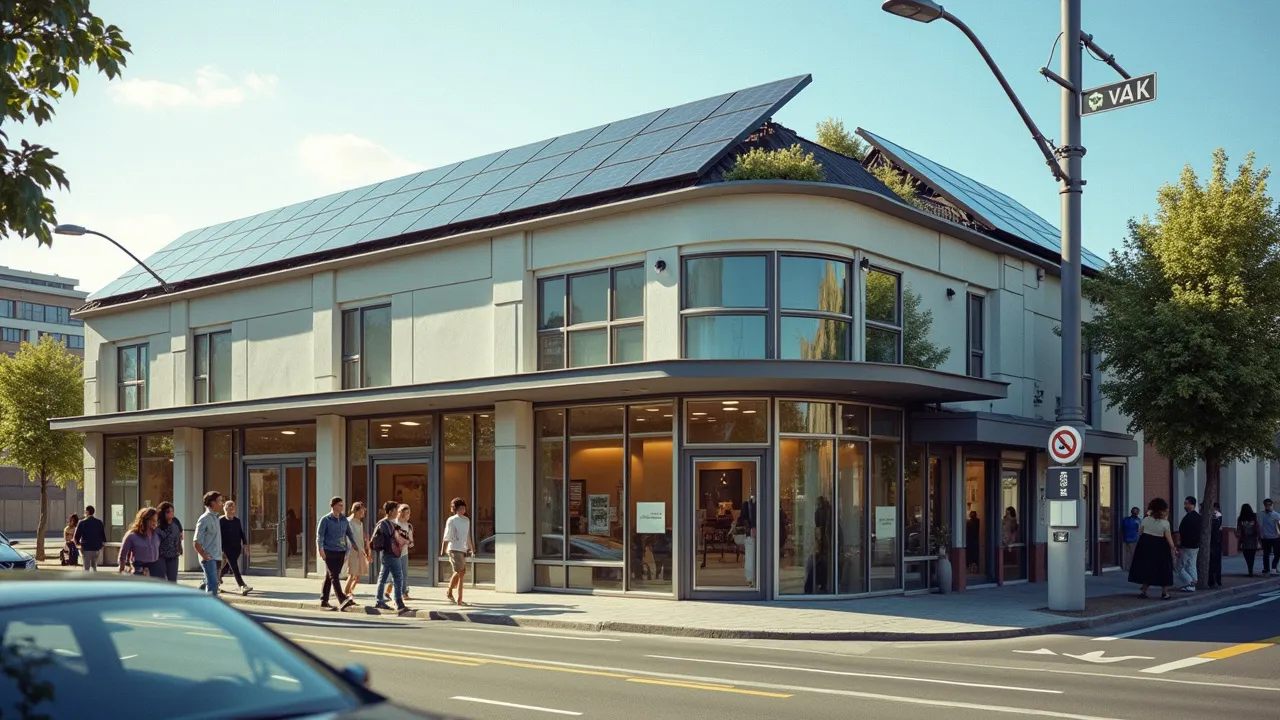
World Energy Efficiency Day, observed on March 5th, promotes sustainable energy use and conservation. It raises awareness about reducing energy consumption through efficient technologies and behavioral changes globally.
The Historical Origins & Evolutionary Journey
World Energy Efficiency Day was first established in 1998 during the first International Energy Efficiency Conference held in Austria. The Austrian Energy Agency, along with international partners, launched this observance to highlight the critical role of energy efficiency in sustainable development.
The Foundational Catalyst
The 1990s saw growing concerns about climate change, fossil fuel dependence, and rising energy costs. The conference aimed to create a global platform for sharing best practices and technologies.
The Legislative/Official Adoption
While not an official UN day, it gained traction through grassroots movements, corporate pledges, and government endorsements. Many countries adopted energy efficiency policies, such as the EU's Energy Efficiency Directive.
Modern Global Legacy
Today, it is recognized by over 100 countries, with events ranging from public awareness campaigns to industry awards for efficient innovations.
How to Celebrate World Energy Efficiency Day
Celebrations vary by region but share a common goal: reducing energy waste. Here are actionable strategies for individuals, schools, and organizations.
For Individuals
- Conduct a home energy audit to identify drafts and inefficient appliances.
- Replace incandescent bulbs with LEDs.
- Unplug electronics when not in use.
- Use energy-saving settings on HVAC and water heaters.
For Schools and Educational Institutions
- Organize an energy fair with interactive exhibits.
- Host a 'lights-off' hour to demonstrate savings.
- Invite local utility experts for workshops.
For Organizations and Corporations
- Implement a 'Green Office' challenge to reduce energy per square foot.
- Invest in smart building management systems.
- Publicly commit to energy reduction targets.
Regional Traditions
In Austria, schools hold energy-saving competitions. In Japan, companies showcase energy-efficient products. In the US, local governments offer free energy kits.
Global Impact on Climate and Economy
Energy efficiency is the cheapest and fastest way to reduce greenhouse gas emissions. According to the International Energy Agency (IEA), energy efficiency improvements since 2000 have saved over 20% of global energy use, equivalent to the entire energy consumption of the European Union.
Economic Benefits
Efficiency reduces household bills, creates jobs in retrofitting and manufacturing, and enhances energy security by lowering import dependence.
Climate Mitigation
It accounts for over 40% of the emission reductions needed to meet Paris Agreement goals. World Energy Efficiency Day amplifies these messages through policy briefs and media campaigns.
Technological Innovations Driving Efficiency
Advancements in technology are central to the day's message.
Smart Grids and IoT
Smart meters and connected appliances allow real-time monitoring and automated adjustments.
LED Lighting
LEDs use 75% less energy than incandescent bulbs and last 25 times longer.
High-Efficiency HVAC
Inverter technology and heat pumps drastically reduce heating and cooling energy.
Building Envelope Improvements
Better insulation, triple-glazed windows, and cool roofs minimize energy loss. These innovations are showcased in expos and webinars on March 5th.
Role of Policy and International Cooperation
World Energy Efficiency Day underscores the need for strong policies.
National Energy Plans
Countries like Germany (Energiewende) and Japan (Top Runner Program) set mandatory efficiency standards.
International Agreements
The UN Sustainable Development Goal 7.3 targets doubling the global rate of improvement in energy efficiency by 2030. The day mobilizes stakeholders to share progress.
Financial Mechanisms
Green bonds, tax incentives, and energy performance contracts fund efficiency projects.
Common Myths and Misconceptions
Many barriers to efficiency stem from misinformation.
Myth: Efficiency is Expensive
While upfront costs exist, payback periods are short (often 1-3 years).
Myth: It Means Sacrificing Comfort
Modern efficient homes are more comfortable with better air quality and consistent temperatures.
Myth: Only Industry Matters
Households account for about 30% of global energy use; individual actions collectively make a huge impact. The day aims to debunk these myths through factual campaigns.
Historical Timeline
Oil crisis sparks first global interest in energy conservation, leading to establishment of the International Energy Agency (IEA).
First International Energy Efficiency Conference in Austria; World Energy Efficiency Day is proclaimed on March 5.
EU Energy Efficiency Directive (first version) adopted, setting non-binding targets.
UN General Assembly declares 2012 the International Year of Sustainable Energy for All, boosting efficiency awareness.
Paris Agreement includes energy efficiency as a key mitigation lever; Sustainable Development Goal 7.3 launched.
Global energy efficiency improvements slow due to COVID-19 pandemic; World Energy Efficiency Day focuses on resilient recovery.
IEA reports that efficiency investments reached record $600 billion, driven by energy crisis and climate goals.