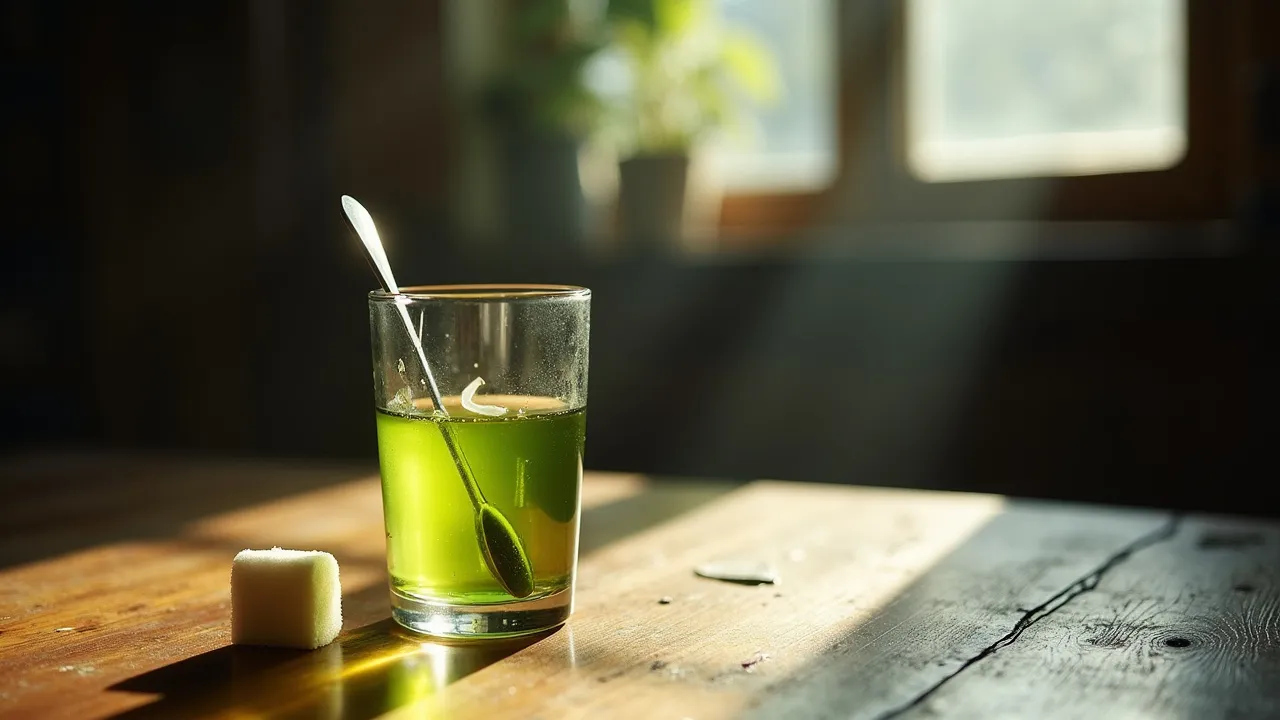
National Absinthe Day on March 5th celebrates the iconic green spirit. Discover its rich history, legal battles, and modern renaissance.
The Historical Origins & Evolutionary Journey
National Absinthe Day, observed on March 5th, commemorates the rich and controversial history of the spirit known as the Green Fairy. This date marks the first legal sale of absinthe in the United States after the century-long ban was lifted in 2007. The day celebrates the cultural significance of absinthe, from its origins in 18th-century Switzerland to its modern revival.
The Foundational Catalyst
Absinthe was first created in the late 18th century in Switzerland by Dr. Pierre Ordinaire, a French physician. He distilled a blend of wormwood (Artemisia absinthium), anise, fennel, and other herbs, creating a potent elixir. It quickly gained popularity as a medicinal tonic and later became the drink of choice among artists and bohemians in France during the Belle Époque. Major distilleries like Pernod Fils emerged, and absinthe became synonymous with the creative counterculture.
The Legislative/Official Adoption
The spirit faced severe backlash due to concerns over thujone, a compound in wormwood, which was blamed for hallucinations and criminal behavior. By 1915, absinthe was banned in many countries, including France, Switzerland, and the United States. The ban persisted for nearly a century, driving the tradition underground. In the 1990s, a resurgence of interest led to scientific studies that debunked the myths about thujone. The European Union lifted the ban in 2004, and the United States followed in 2007, allowing the sale of absinthe with thujone levels below 10 ppm. The first legal post-ban sale occurred on March 5, 2008, which later became the date of National Absinthe Day.
Modern Global Legacy
Today, absinthe is legally produced and enjoyed worldwide. Craft distilleries have revived traditional recipes, and the spirit is celebrated through events like National Absinthe Day. The day serves as a reminder of the Green Fairy's enduring allure and its place in history as a muse for artists and a symbol of rebellion.
How to Celebrate National Absinthe Day
Celebrating National Absinthe Day involves both traditional rituals and modern interpretations. Whether you are a connoisseur or a curious novice, here are ways to honor the Green Fairy on March 5th.
Classic Ritual Preparation
- Prepare the Glass: Pour one ounce of absinthe into a proper absinthe glass.
- Place the Spoon: Set an absinthe spoon (slotted) across the rim of the glass, with a sugar cube on top.
- Drip Ice Water: Slowly drip ice-cold water over the sugar cube, allowing it to dissolve and mix with the absinthe. The ideal ratio is 3-5 parts water to 1 part absinthe.
- Observe the Louche: Watch as the clear liquid turns milky white, a phenomenon known as the louche effect, due to the release of essential oils.
- Enjoy: Sip the diluted absinthe slowly, savoring the complex botanicals.
Global Celebration Practices
- France: Traditional cafés serve absinthe with the ritual, and some cities like Paris hold tasting events.
- Switzerland: The birthplace of absinthe hosts distillery tours and historical reenactments.
- United States: Bars offer special absinthe flights and themed cocktails, such as the Sazerac or Death in the Afternoon.
- Czech Republic: Known for its Bohemian absinthe culture, celebrations include strong, high-proof versions and fire rituals.
Social and Corporate Events
Organize a tasting party with friends, each bringing a different brand. Restaurants can feature absinthe-based dishes or pairings. For a corporate event, consider a lecture on absinthe history followed by a tasting. Always emphasize responsible consumption due to the high alcohol content.
The Science of Absinthe: Composition and Effects
Absinthe’s unique character comes from its botanical blend. The primary herbs are grand wormwood (Artemisia absinthium), green anise, and fennel, along with a variety of other herbs like hyssop, melissa, and star anise. The distillation process extracts essential oils, including thujone from wormwood, which has been the subject of much controversy.
The Louche Effect
When water is added to absinthe, the essential oils precipitate into a milky emulsion due to the decrease in alcohol content. This louche effect is a hallmark of quality absinthe and indicates a proper balance of oils.
Thujone and Its Myths
Thujone was once thought to be a hallucinogen, but modern science shows that the levels in commercial absinthe are too low to cause psychedelic effects. The compound acts as a GABA receptor antagonist, leading to a mild stimulant effect, but not hallucinations. The myths arose from exaggerated reports during the anti-absinthe campaigns of the early 1900s.
Understanding the science helps appreciate why absinthe has a place in both history and modern mixology without the fear of psychoactive risks.
Cultural Impact: The Green Fairy in Art and Literature
Absinthe became a muse for many artists and writers of the late 19th and early 20th centuries. The Green Fairy was a symbol of creativity and decadence.
Visual Arts
Artists like Henri de Toulouse-Lautrec, Vincent van Gogh, and Paul Gauguin were known absinthe drinkers. Van Gogh’s painting "The Absinthe Drinker" and Picasso’s "The Absinthe Drinker" (1901) depict the solitary, contemplative nature of consumption. The spirit was often portrayed in cafes and as a social lubricant for the avant-garde.
Literature
Writers such as Oscar Wilde, Charles Baudelaire, and Ernest Hemingway incorporated absinthe into their lives and works. Wilde famously said, "Absinthe is the most potent of all liquors." Hemingway’s novel "The Sun Also Rises" features characters drinking absinthe. The drink was associated with the Bohemian movement and the search for artistic inspiration.
National Absinthe Day acknowledges this cultural legacy, inviting modern enthusiasts to explore the artistic heritage tied to the Green Fairy.
The Legal Battle: Prohibition and Rebirth
The history of absinthe is marked by a dramatic legal journey. In the early 1900s, a temperance movement combined with sensationalized reports of absinthe-induced crimes led to widespread bans. The belief that thujone caused a syndrome called "absinthism" similar to alcoholism but more severe was used to justify prohibition.
The Ban Era
Switzerland banned absinthe in 1908, the United States in 1912, and France in 1915. The bans effectively destroyed the legitimate absinthe industry for decades. During this time, production went underground, especially in Spain and the Czech Republic, where it was never fully banned. The mystical reputation of the Green Fairy grew.
The Modern Rebirth
In the 1990s, a revival began with the realization that the historical fears were exaggerated. Scientific studies showed that the thujone content in pre-ban absinthe was comparable to that in modern spirits. The EU approved the sale of absinthe in 2004, and the US followed in 2007 with strict limits on thujone. The first legal release on March 5, 2008, by Viridian Spirits (Lucid Absinthe) marked a new era. National Absinthe Day celebrates this rebirth and the return of a once-outlawed spirit.
Modern Production: Distillation Techniques and Quality
Today’s absinthe is produced using traditional methods developed in the 19th century. The best absinthes are distilled from a base wine or neutral spirit with botanicals macerated before distillation. The process ensures the retention of essential oils.
Traditional vs. Modern Methods
Traditional distilleries like Pernod Fils used copper pot stills and a two-step process: first maceration and distillation of wormwood, anise, and fennel, then coloring with herbs like hyssop. Many modern craft producers follow these methods. Some commercial brands use shortcuts like cold mixing or artificial colors, which produce inferior products. Quality absinthe is typically bottled at a high proof (100–148 proof) and has a natural green color from chlorophyll.
Reputable Producers
Well-regarded brands include Lucid (USA), Pernod (France), La Fée (France/Switzerland), and St. George (USA). National Absinthe Day is an opportunity to compare different styles and support small distilleries that honor the artisanal tradition.
Pairing with Cuisine: Absinthe in Cocktails and Food
Absinthe is a versatile ingredient in cocktails and even in cooking. Its strong anise and herbal notes make it a powerful modifier.
Classic Cocktails
- Sazerac: A New Orleans classic that uses absinthe to rinse the glass, then rye whiskey, sugar, and Peychaud's bitters.
- Death in the Afternoon: Ernest Hemingway’s creation: absinthe and champagne.
- Absinthe Frappé: Absinthe shaken with ice and simple syrup, served with soda water.
Food Pairings
Absinthe pairs well with seafood dishes like grilled oysters or bouillabaisse, the anise complementing the sea flavors. It can also be used in marinades for chicken or in desserts like sorbets. For National Absinthe Day, try an absinthe cocktail paired with a charcuterie board featuring fennel salami and cheese.
Remember to use absinthe sparingly due to its intensity—a little goes a long way.
Historical Timeline
First commercial absinthe distillery established in Switzerland by Pernod.
Switzerland bans absinthe after a popular vote.
United States bans absinthe as part of a broader prohibition movement.
France bans absinthe, citing public health concerns.
European Union lifts the ban on absinthe, allowing legal production and sale.
United States lifts the ban on thujone-containing absinthe, with strict limits.
First legal post-ban absinthe sale in the US by Viridian Spirits (Lucid Absinthe). This date later becomes National Absinthe Day.
The Absinthe Day Organization establishes March 5 as National Absinthe Day in the US.
The Green Fairy returns to mainstream culture with numerous craft distilleries worldwide.
National Absinthe Day is celebrated globally with tastings, educational events, and online campaigns.