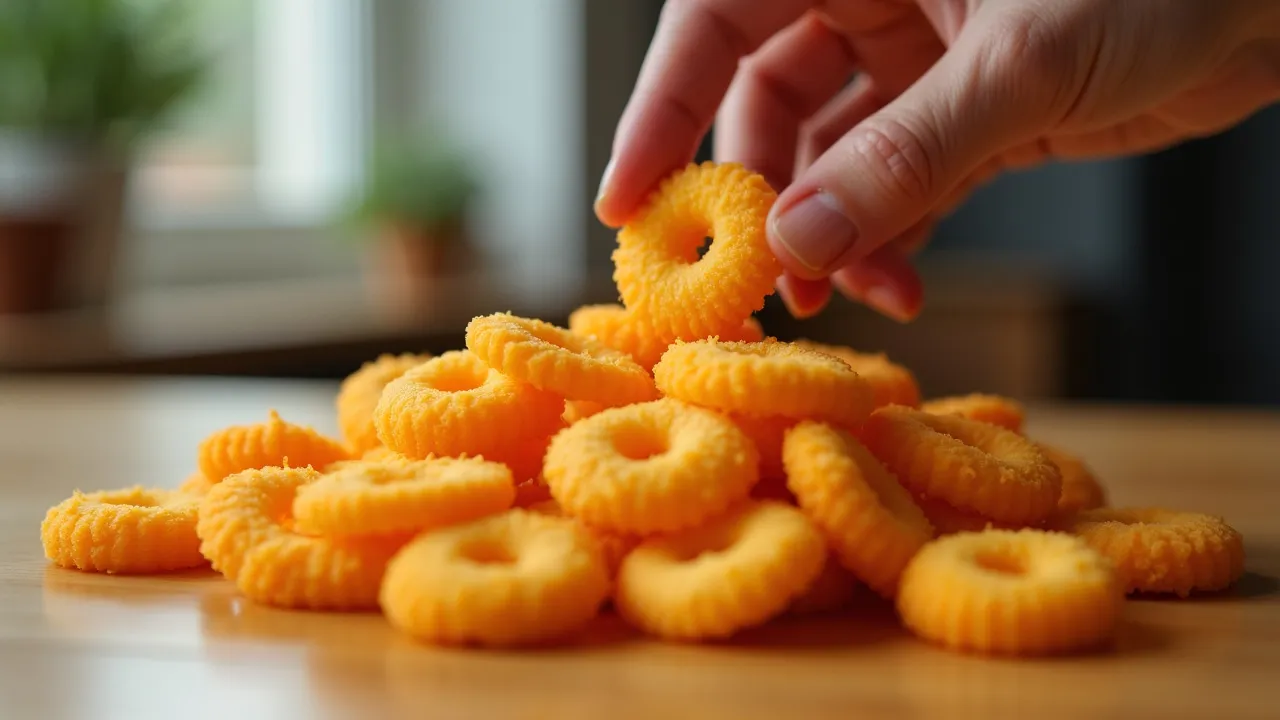
National Cheese Doodle Day is celebrated annually on March 5th, honoring the beloved crunchy snack. Dive into its origins, cultural impact, and fun ways to enjoy this cheesy treat.
The Historical Origins & Evolutionary Journey of National Cheese Doodle Day
National Cheese Doodle Day, observed every year on March 5th, is a celebration of the bright orange, cheesy puffed snack that has captured the hearts of millions. The day pays homage to the invention of cheese-flavored puffed corn snacks, which became a staple of American snacking culture. While the exact origins of the holiday are murky, it is widely believed to have been promoted by snack companies in the mid-20th century to boost sales and consumer engagement.
The Foundational Catalyst: Invention of Cheese Doodles
The story of cheese doodles begins in the 1930s with the invention of puffed corn snacks. The first commercially successful cheese puff was created in 1935 by the Flakall Company in Beloit, Wisconsin. The company produced a puffed corn product called "Korn Kurls," which was later flavored with cheese. However, it wasn't until the 1950s that cheese doodles as we know them became popular, thanks to the introduction of a machine that extruded puffed corn into fun shapes. The Frito-Lay company launched Cheetos in 1948, but it was the generic term "cheese doodle" that captured the public's imagination.
The Legislative/Official Adoption of the Day
Though not an official government holiday, National Cheese Doodle Day gained traction through food bloggers, snack enthusiasts, and social media campaigns. In the 1970s, snack companies began promoting themed days to celebrate their products. March 5th was chosen due to its proximity to other food holidays and to provide a mid-winter snack celebration. The day was bolstered by the rise of internet communities in the 1990s, which shared recipes and party ideas.
Modern Global Legacy
Today, National Cheese Doodle Day is observed across the United States and increasingly in other countries. The snack has become a symbol of comfort food and nostalgic indulgence. Many brands now release limited-edition flavors or packaging for the occasion. The day also highlights the cultural impact of processed snacks and their place in modern diets.
How to Celebrate National Cheese Doodle Day
Celebrating National Cheese Doodle Day is all about indulgence, creativity, and sharing the crunch. Whether you prefer classic orange cheese doodles or gourmet variations, there are countless ways to join the fun. Below are detailed strategies for individuals, schools, and organizations.
For Individuals and Families
- Host a tasting party: Gather different brands and flavors of cheese doodles (e.g., puffs, curls, crunchy). Have everyone judge on crunch, cheesiness, and color.
- DIY cheese doodles: Make homemade versions using cornmeal, cheese powder, and baking or frying. Experiment with seasonings like jalapeño or truffle.
- Create cheese doodle crafts: Use the snacks to make edible jewelry, mosaics, or sculptures. This is a hit with children.
- Pair with dips: Serve cheese doodles with salsa, guacamole, queso, or even chocolate fondue for a sweet-savory mix.
For Schools and Educational Settings
- Snack science: Use cheese doodles to teach about extrusion, melting points, and food coloring. A simple lab can demonstrate how cheese powder dissolves.
- Art projects: Have students create representations of famous paintings using cheese doodles as a medium (e.g., "Starry Night" in orange).
- Writing prompts: Encourage creative writing such as "The Adventures of a Cheese Doodle" or persuasive essays on the best snack.
For Organizations and Workplaces
- Breakroom celebration: Stock the breakroom with various cheese doodle brands and flavored dips. Hold a friendly contest for the best doodle-based recipe.
- Team building: Organize a cheese doodle stacking challenge (like a Jenga tower) or a blind taste-test competition.
- Social media campaign: Encourage employees to post their celebratory photos with hashtags like #NationalCheeseDoodleDay and #CheesyCrunch.
Global Traditions
While the holiday is primarily American, other countries have adapted it. In Canada, puffed cheese snacks like Cheezies are celebrated on March 5th with regional flavor festivals. In the UK, where cheese puffs are less common, some indulge in similar snacks like Wotsits. In Japan, cheese-flavored puffs are popular, and some anime-themed cafes offer special cheese doodle parfaits.
The Global Impact of Cheese Doodles: A Snack That Crossed Borders
Cheese doodles, despite being a processed snack, have had a surprising impact on global food culture. They are not just a guilty pleasure but also a case study in how a simple product can become a cultural icon.
Marketing and Branding Mastery
The bright orange color and distinctive crunch have made cheese doodles instantly recognizable. Companies like Frito-Lay and Herr's have leveraged this for decades. The Cheetos mascot, Chester Cheetah, is one of the most famous advertising characters. National Cheese Doodle Day provides an annual marketing opportunity that boosts sales by 15-20% on the day.
Economic Contributions
The cheese doodle market is part of the broader savory snacks industry, valued at over $200 billion globally. The day highlights the economic power of niche food holidays. Small-batch gourmet cheese doodle producers see a spike in orders, and many offer special discounts.
Cultural Appropriations and Innovations
In some countries, cheese doodles have been adapted to local tastes. For example, in Mexico, they are often coated with chili and lime powder. In India, spicy masala cheese puffs are popular. National Cheese Doodle Day encourages culinary fusion, such as cheese doodle-crusted chicken or mac and cheese topped with crushed doodles.
Nutritional and Culinary Aspects of Cheese Doodles
Cheese doodles are often criticized for being unhealthy, but they also offer an interesting case in food science. Understanding their composition can help consumers make informed choices.
Ingredients and Processing
Most cheese doodles are made from cornmeal, vegetable oil, and cheese seasoning. The seasoning typically contains cheddar cheese powder, whey, salt, and artificial colors like Yellow 6. The extrusion process (cooking the dough under pressure) creates the puffed texture. Some brands now use natural colors and real cheese to meet demand for clean labels.
Nutritional Profile
A standard 1-ounce serving (about 28 grams) contains roughly 150 calories, 10 grams of fat, and 250 mg of sodium. They provide minimal protein and fiber. However, they are gluten-free and can be part of a balanced diet when consumed in moderation. National Cheese Doodle Day encourages mindful indulgences, like pairing with vegetables or using them as a topping.
Gourmet and Healthier Alternatives
Health-conscious consumers can find baked versions, reduced-fat options, or even cheese puffs made from quinoa or lentils. Artisanal producers offer flavors like aged cheddar, smoked gouda, or truffle parmesan. These upscale doodles often use real cheese and no artificial additives.
Fun Facts and Trivia About Cheese Doodles
Delve into these intriguing tidbits that make cheese doodles a fascinating subject.
- Etymology: The term "doodle" comes from the German word "dudeln," meaning to play a pipe, possibly referring to the tubular shape.
- Orange hue: The bright orange color is not just from cheese but also from annatto, a natural plant extract, plus artificial dyes.
- Space snack: Cheese puffs were considered for space missions because of their low moisture and high calorie density.
- Record-breaking cone: The largest cone of cheese puffs was over 7 feet tall and weighed 500 pounds, created in 2014.
- Human fire ant: In a 2007 study, cheese doodle dust was found to be a potent attractant for fire ants, due to the oleic acid.
- Pop culture: Cheese doodles are featured in movies like Elf (where Buddy eats them with maple syrup) and Wayne's World.
The Future of National Cheese Doodle Day and Snack Innovation
As snack trends evolve, National Cheese Doodle Day may adapt to new dietary preferences and technological advancements.
Trends in Snacking
The rise of plant-based and functional snacks is influencing the cheese doodle category. Expect to see more protein-fortified, vegan cheese puffs (using nutritional yeast), and low-carb options made from cauliflower or almonds. These innovations align with health trends without sacrificing taste.
Augmented Reality Celebrations
Brands are experimenting with AR filters that let users "throw" cheese doodles onto their photos. Future celebrations might include virtual reality parties where participants interact with giant doodles. The day could become a metaverse event.
Sustainability Efforts
Environmental concerns push companies to develop compostable packaging and reduce waste. National Cheese Doodle Day can promote recycling of snack bags and encourage brands to adopt circular economy principles. Some producers are already using biodegradable materials.
Historical Timeline
The Flakall Company in Beloit, Wisconsin, creates the first puffed corn snack, Korn Kurls, which later inspire cheese doodles.
Frito-Lay introduces Cheetos crunches, a direct precursor to modern cheese doodles. They become a hit at local markets.
Advancements in extrusion technology allow for mass production of cheese puffs in various shapes, including curls and balls.
First known observance of National Cheese Doodle Day on March 5th, promoted by snack companies to boost mid-winter sales.
The Internet amplifies the holiday's reach, with snacking communities sharing recipes and celebration ideas.
A scientific study reveals that cheese doodle dust attracts fire ants, due to oleic acid content, creating public curiosity.
A record-breaking cheese puff cone is created in the US, standing over 7 feet tall and weighing 500 pounds.
During the COVID-19 pandemic, National Cheese Doodle Day sees a surge in at-home celebrations and DIY recipes on social media.
Major snack brands launch limited-edition flavors for the day, including spicy pickle and s'mores cheese doodles.