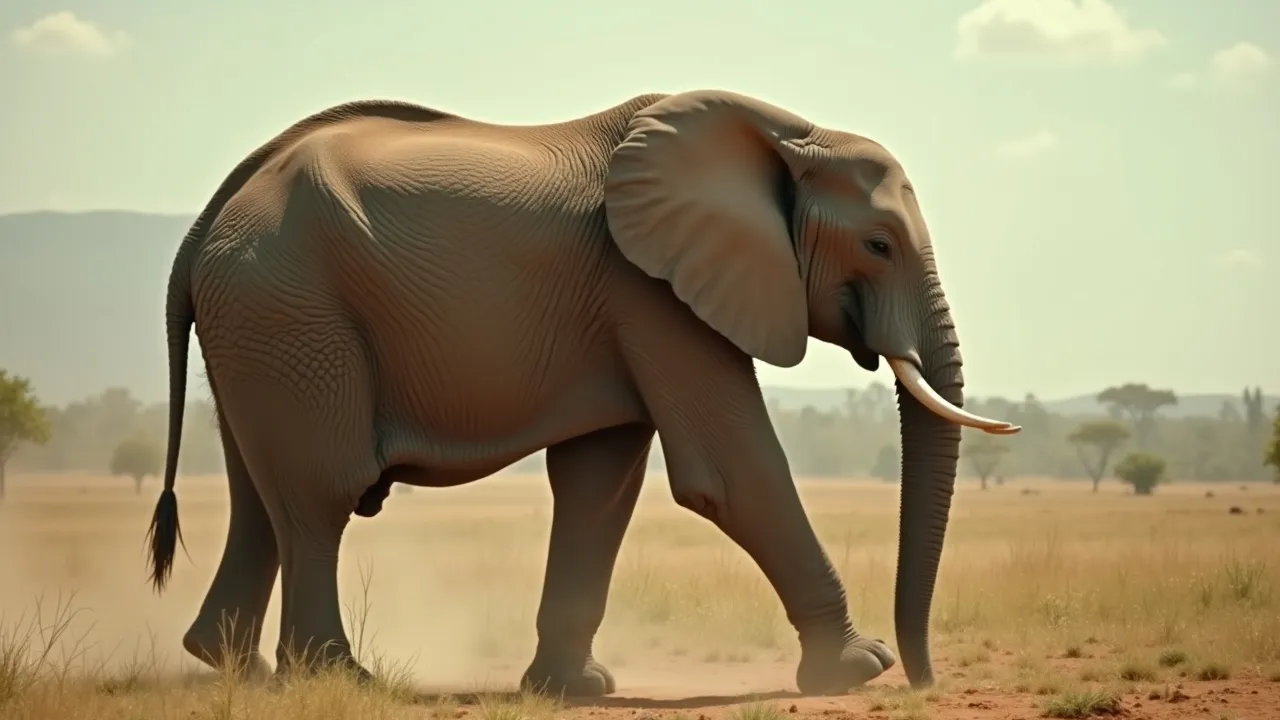
World Elephant Day (August 12) raises awareness about the urgent plight of Asian and African elephants, highlighting threats like poaching, habitat loss, and human-wildlife conflict, and promotes conservation efforts globally.
The Historical Origins & Evolutionary Journey
World Elephant Day was first conceived in 2011 by Canadian filmmaker and conservationist Patricia Sims in collaboration with the Elephant Reintroduction Foundation in Thailand. The inaugural celebration took place on August 12, 2012, with the goal of bringing global attention to the critical threats facing elephants.
The Foundational Catalyst
The inspiration for World Elephant Day stemmed from the alarming decline in elephant populations due to poaching for ivory, habitat destruction, and human-elephant conflict. Sims, who had produced documentaries on elephants, recognized the need for a unified global voice to advocate for their protection. The Elephant Reintroduction Foundation, established by HM Queen Sirikit of Thailand, provided crucial support and resources to launch the campaign.
The Legislative/Official Adoption
Although World Elephant Day is not an official UN holiday, it has been endorsed by numerous governments, non-profits, and wildlife organizations worldwide. Countries such as Thailand, India, and several African nations have integrated the day into their national conservation calendars. The day serves as a platform to push for stronger anti-poaching laws, habitat preservation policies, and international bans on ivory trade.
Modern Global Legacy
Since its inception, World Elephant Day has grown into a massive grassroots movement. Each year, events include educational workshops, petition drives, fundraising galas, and social media campaigns. The day has also spurred corporate sustainability initiatives, with many companies pledging to avoid ivory products. The modern legacy lies in its ability to unite diverse stakeholders—from rural communities living alongside elephants to global policymakers—under a shared conservation goal.
How to Celebrate World Elephant Day
World Elephant Day offers numerous hands-on ways for individuals, schools, and organizations to make a difference. Here are actionable strategies:
Individual Actions
- Educate Yourself and Others: Watch documentaries like 'The Ivory Game' or read books on elephant behavior. Share facts on social media using #WorldElephantDay.
- Support Ethical Tourism: Avoid elephant rides or shows; instead, visit reputable sanctuaries that prioritize animal welfare.
- Reduce Ivory Demand: Pledge never to buy ivory or antique ivory products, and educate friends about the link between ivory trade and poaching.
- Adopt an Elephant: Donate to organizations like the Sheldrick Wildlife Trust to sponsor an orphaned elephant.
School and Community Programs
- Host a Film Screening: Show educational films about elephant conservation and hold a discussion afterward.
- Organize a Fundraiser: Bake sales, car washes, or art auctions can raise money for elephant charities.
- Create Art Projects: Have students draw or paint elephants while learning about their habitats and threats.
Corporate and Organizational Rituals
- Employee Volunteering: Offer paid time off for staff to volunteer at local wildlife rescues or conservation groups.
- Matching Gift Programs: Match employee donations to elephant nonprofits.
- Sustainable Sourcing: Review supply chains to ensure no ivory or other elephant-derived products are used.
From the rolling savannas of Kenya to the dense forests of Sumatra, celebrations vary. In Thailand, temples hold ceremonies blessing elephants; in India, street rallies demand stronger protection laws; in the U.S., zoos and museums offer special exhibits. The unifying theme is a commitment to securing a future for elephants in the wild.
The Plight of Elephants: Poaching and Ivory Trade
Despite international bans, elephant poaching remains a severe threat. An estimated 20,000 African elephants are killed each year for their tusks. The ivory trade, fueled by demand in Asia and other regions, drives this crisis.
Poaching Hotspots
- Central Africa: Countries like Gabon and the Democratic Republic of the Congo face intense poaching due to weak enforcement and political instability.
- East Africa: Tanzania and Mozambique have seen dramatic declines, though recent anti-poaching patrols have shown some success.
- Asia: The critically endangered Sumatran elephant is targeted for its smaller tusks, with fewer than 2,500 remaining.
The Illegal Ivory Supply Chain
Ivory is often smuggled through complex networks, with key transit hubs in Southeast Asia. Although the Convention on International Trade in Endangered Species (CITES) banned international ivory trade in 1989, loopholes and domestic markets persist. Efforts to destroy seized ivory stockpiles, as done by Kenya and China, aim to devalue the market.
Habitat Loss and Human-Elephant Conflict
As human populations expand, elephants lose their natural habitats to agriculture, infrastructure, and urbanization. This encroachment leads to human-elephant conflict (HEC), resulting in crop damage, property destruction, and loss of life on both sides.
Key Drivers
- Deforestation: In Southeast Asia, palm oil plantations clear vast areas of elephant habitat.
- Roads and Railways: Linear infrastructure fragments migration corridors, isolating elephant populations.
- Agricultural Expansion: Small-scale farmers and large plantations alike compete with elephants for land and water.
Mitigation Solutions
- Elephant-Friendly Farming: Using chili fences, beehive barriers, and early warning systems to deter elephants without harming them.
- Wildlife Corridors: Establishing protected pathways that allow elephants to roam safely between habitats.
- Compensation Programs: Governments and NGOs compensate farmers for crop losses, reducing retaliatory killings.
Community-based conservation initiatives, such as those in Kenya and Sri Lanka, have successfully reduced HEC by involving local people in monitoring and protecting elephants.
Conservation Efforts and Success Stories
Despite the challenges, there are many success stories that offer hope for elephant conservation.
Anti-Poaching Technologies
- Drones: Used in Malawi and South Africa to monitor large areas and detect poachers.
- GPS Tracking: Collaring elephants provides data on movement patterns and helps prevent conflict.
- DNA Forensics: Ivory seizures can be traced back to specific poaching hotspots using DNA analysis.
Community-Led Conservation
- Namibia's Conservancy Program: Since the 1990s, community-managed wildlife areas have led to a rebound in elephant numbers.
- India's Nilgiris: Tribal communities work alongside forest departments to protect elephant corridors.
Orphan Rehabilitation
Organizations like the Sheldrick Wildlife Trust (Kenya) and Borneo Elephant Sanctuary (Malaysia) rescue and rehabilitate orphaned elephants, eventually releasing them back into the wild. These programs also serve as educational platforms.
How You Can Help: Advocacy and Support
Individual actions add up. Here are concrete steps to support elephant conservation on World Elephant Day and beyond.
Get Involved
- Volunteer: Offer skills like writing, photography, or web design to conservation groups.
- Donate: Even small monthly donations to reputable organizations fund ranger patrols, habitat restoration, and community programs.
- Speak Up: Contact elected officials to urge stronger wildlife protection laws and funding for conservation.
- Choose Responsibly: Avoid products linked to deforestation or wildlife exploitation, such as unsustainably sourced palm oil.
Educate and Inspire
- Host a Talk: Invite a conservationist to speak at your school or workplace.
- Share Stories: Use social media platforms to highlight conservation successes and ongoing threats.
- Visit Ethically: When traveling, choose eco-lodges and sanctuaries that prioritize animal welfare.
Remember, every action sends a message that elephants are worth protecting. Through collective effort, we can ensure that future generations inherit a world where elephants thrive.
Historical Timeline
The Convention on International Trade in Endangered Species (CITES) bans the international trade of elephant ivory, helping curb poaching.
Patricia Sims and the Elephant Reintroduction Foundation found World Elephant Day, setting the date as August 12 to raise global awareness.
The first World Elephant Day is celebrated on August 12 with events in multiple countries, including Thailand and Canada.
The Great Elephant Census reveals that African savanna elephant populations have declined by 30% (about 144,000 individuals) between 2007 and 2014 due to poaching.
The COVID-19 pandemic reduces tourism and anti-poaching patrols, leading to an increase in poaching incidents in some regions.
Advances in DNA forensic technology help trace ivory seizures to specific poaching hotspots, aiding law enforcement.