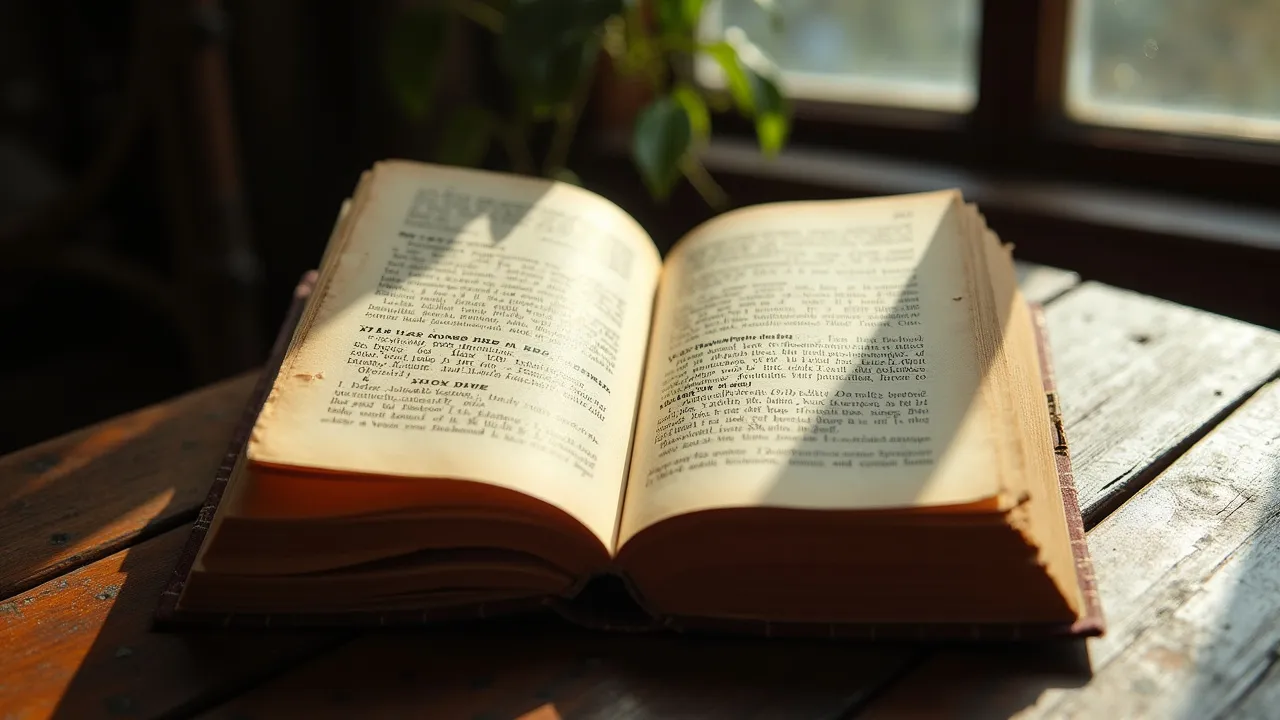
World Dracula Day on May 26th celebrates Bram Stoker's iconic novel and the enduring legacy of Count Dracula. Discover the history, cultural impact, and how to join global festivities.
The Historical Origins & Evolutionary Journey
World Dracula Day, observed annually on May 26th, commemorates the publication of Bram Stoker's seminal Gothic novel Dracula on that date in 1897. This day has evolved from a niche fan celebration into a global cultural phenomenon, recognizing the enduring influence of the world's most famous vampire.
The Foundational Catalyst
Bram Stoker, an Irish author, drew upon Transylvanian folklore, Eastern European legends, and his own nightmares to create Count Dracula. The novel took seven years to research and write. Stoker never visited Transylvania, relying on travelogues and library research to craft the atmospheric landscape. The character of Dracula was partly inspired by the historical Vlad the Impaler (Vlad III Drăculea), a 15th-century Wallachian prince known for his brutal tactics.
The Legislative/Official Adoption
World Dracula Day was formally established in 2012 by The Dracula Society, a UK-based literary and historical organization founded in 1973. The society chose May 26th to honor the exact publication date of Stoker's novel. The day quickly gained traction through social media, book clubs, and vampire enthusiasts worldwide, though it remains an unofficial observance. Key milestones include the first official celebration at Whitby Abbey in Yorkshire, a location featured in the novel, where fans reenacted scenes and held readings.
Modern Global Legacy
Today, World Dracula Day is marked by a wide array of events: from academic conferences analyzing Stoker's themes of sexuality, immigration, and disease, to lighthearted costume parties and film marathons. The day also serves as a platform for tourism promotion, particularly in Romania (Bran Castle often called Dracula's Castle) and the UK (Whitby and London sites). In 2020, the COVID-19 pandemic shifted many celebrations online, leading to virtual tours of Transylvania and live-streamed lectures by leading scholars.
How to Celebrate World Dracula Day
Whether you're a lifelong Transylvanian enthusiast or a newcomer to the count's charm, World Dracula Day offers myriad ways to participate. Below are actionable ideas for individuals, schools, and organizations.
For Individuals and Families
- Read the Original Novel: Start with Bram Stoker's Dracula (available free online via Project Gutenberg). Consider an annotated edition for deeper insight.
- Host a Movie Marathon: Screen classic adaptations like the 1931 Bela Lugosi version, Hammer Horror's 1958 Dracula, and Francis Ford Coppola's 1992 Bram Stoker's Dracula. Include modern takes like Dracula Untold (2014) for contrast.
- Visit Dracula-Related Sites: If possible, travel to Bran Castle in Romania, Slains Castle in Scotland (an alleged inspiration), or Whitby Abbey in England. For virtual armchair travel, explore 360-degree tours online.
- Dress Up and Feast: Host a Victorian-themed dinner party with Gothic decor. Serve dishes mentioned in the novel—paprika hendl, goulash, and of course, a "bloody" red punch.
For Schools and Libraries
- Literature Circles: Organize reading groups discussing the novel's themes. Use the free teaching resources from the Dracula Society.
- Creative Writing Workshops: Encourage students to write their own vampire stories or epistolary fiction.
- Dark History Lectures: Invite a historian to discuss Vlad the Impaler and the real-life roots of the Dracula myth.
For Organizations and Tourism Boards
- Social Media Campaigns: Use hashtags like #WorldDraculaDay and #DraculaDay to share trivia, quotes, and user-generated content. Host a costume contest on Instagram.
- Special Offers: Themed hotel packages, movie theater screenings, and bookstore discounts on vampire literature.
- Collaborative Events: Partner with local theaters for a dramatic reading of the original novel or a stage adaptation.
In Romania, the day is marked by festivals in Brașov and Sighișoara, including medieval fairs and parades. The UK sees candle-lit walks through Whitby's graveyard. In the US, many independent cinemas host midnight screenings of the 1992 film.
Bram Stoker: The Man Behind the Monster
To understand World Dracula Day, one must appreciate its creator. Abraham "Bram" Stoker (1847–1912) was a theater manager and writer. His documentary-style novel broke new ground with its epistolary format, using letters, diary entries, and newspaper clippings to narrate the horror.
Life and Influences
Stoker was born in Dublin, Ireland. A sickly child, he later became an athlete at Trinity College. He moved to London to work for actor Henry Irving at the Lyceum Theatre. This experience shaped his dramatic sensibilities. Dracula drew on contemporary fears: immigration (the count comes to England), women's liberation (the New Woman), and repressed Victorian sexuality. Stoker researched vampire folklore from various cultures, including the Romanian strigoi and the Slavic upir.
Stoker's Legacy
Although Dracula was not an instant bestseller, its success grew steadily. Stoker died in 1912, never seeing the full extent of his creation's impact. The novel entered the public domain in 1962 (in the US) and 1992 (in the UK), leading to an explosion of adaptations. World Dracula Day honors Stoker's literary genius and his influence on the horror genre.
Dracula in Film and Popular Culture
Dracula is one of the most adapted characters in film history, second only to Sherlock Holmes. Countless interpretations have shaped public perception, often diverging wildly from Stoker's original.
Key Film Adaptations
- 1922 Nosferatu: An unauthorized German silent film directed by F. W. Murnau. It changed names to avoid copyright, but Stoker's widow won a lawsuit ordering prints destroyed. It survived and is now a classic.
- 1931 Dracula (Universal): Starring Bela Lugosi, whose Hungarian accent and cape-clad image defined the count for generations. This film cemented Dracula as a suave aristocrat.
- 1958 Dracula (Hammer Film): Christopher Lee's portrayal brought a more feral, bloody violence. Lee's towering presence and bared fangs became iconic.
- 1992 Bram Stoker's Dracula: Francis Ford Coppola's lavish version focused on tragic romance, with Gary Oldman's transformative performance and stunning visual effects.
- Modern Additions: 2020s saw Dracula (BBC series) and Renfield (2023) offering fresh perspectives.
The character has also appeared in countless TV shows, comics, video games (such as the Castlevania series), and even as a breakfast cereal mascot. World Dracula Day is an opportunity to explore this vast media landscape.
The Real Vampire Folklore and Vlad the Impaler
Behind the fictional count lies a rich tapestry of historical and mythological roots. The vampire myth predates Stoker by centuries, appearing in cultures worldwide.
Vlad III Drăculea (Vlad the Impaler)
Vlad III, Prince of Wallachia (now part of Romania), ruled in the 15th century. Known for his cruel punishment method—impaling enemies—he inspired the name "Dracula" (meaning "son of the dragon" or "son of the devil"). Stoker likely encountered Vlad's history in the book An Account of the Principalities of Wallachia and Moldavia by William Wilkinson. However, Stoker's Dracula differs vastly from the historical Vlad, who was not a vampire.
Vampire Folklore
Belief in the undead was common in Eastern Europe. Villagers performed rituals like staking corpses, decapitation, and burning to prevent revenants. Vampires were blamed for plagues and misfortunes. The Slavic upir and Greek vrykolakas are parallel traditions. Stoker synthesized these elements into a coherent monster. World Dracula Day encourages studying these authentic folk beliefs alongside the fictional narrative.
Dracula Tourism and Global Impact
Dracula's influence extends beyond literature into real-world economies. Tourism centered on Dracula-themed sites generates millions annually, particularly in Romania and the UK.
Romania: The Land of Dracula
Bran Castle, near Brașov, is marketed as "Dracula's Castle" despite no evidence Stoker ever visited; it fits the description in the novel. Each year, the castle hosts a Halloween party and special events for World Dracula Day. Visitors also explore Transylvanian villages, Sighișoara (Vlad's birthplace), and the Poienari Castle (Vlad's actual fortress). Critics argue the commodification overshadows true medieval history, but it undeniably boosts local economies.
United Kingdom: Stoker's Haunts
Whitby Abbey in Yorkshire features prominently in the novel (Dracula arrives as a black dog). The town holds a Gothic weekend each April. In London, locations like the Lyceum Theatre and Highgate Cemetery attract literary pilgrims. Whitby's 199 steps are a popular photo spot. World Dracula Day celebrations include guided tours and dramatic readings on the abbey grounds.
Other Destinations
Slains Castle in Scotland (rumored inspiration) and the Dracula Museum in New York City offer additional stops. The global reach of the Dracula legend has even spawned themed hotels in places like Japan and Las Vegas.
Historical Timeline
Bram Stoker's Dracula is published on May 26. The novel receives mixed reviews but lays the foundation for modern vampire fiction.
F. W. Murnau's Nosferatu, an unauthorized adaptation, premieres in Germany. A lawsuit orders destruction of prints, but some survive.
Universal Pictures releases Dracula starring Bela Lugosi. The film becomes a box office hit, cementing the vampire's place in pop culture.
Hammer Film Productions releases Dracula (US: Horror of Dracula) with Christopher Lee. A new era of color horror begins.
The Dracula Society is founded in the United Kingdom, dedicated to the study of Gothic literature and Dracula lore.
Francis Ford Coppola's Bram Stoker's Dracula wins three Academy Awards and influences a modern romantic interpretation.
The Dracula Society establishes World Dracula Day on May 26, marking the 115th anniversary of the novel's publication.
Due to the pandemic, World Dracula Day events go virtual, including online tours of Bran Castle and live-streamed lectures.