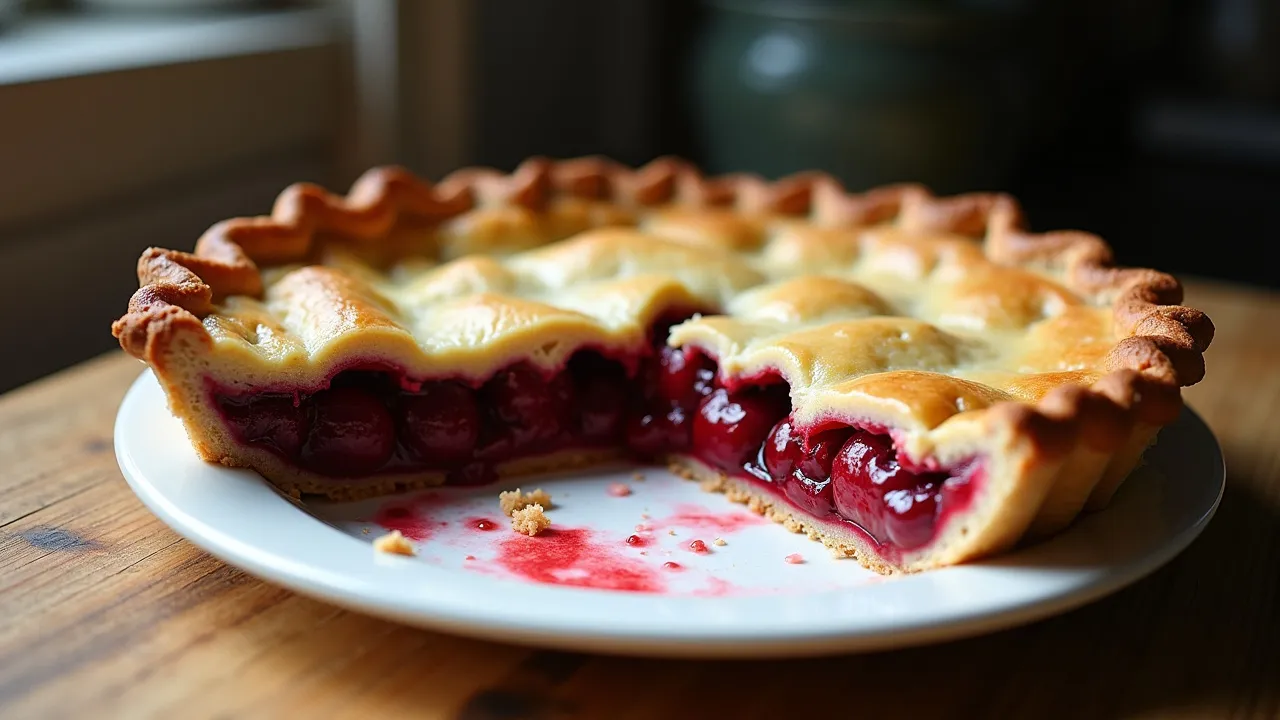
National Cherry Dessert Day on May 26th celebrates the sweet-tart delight of cherry-based treats. From classic pies to modern clafoutis, this day honors centuries of cherry cultivation and culinary creativity.
The Historical Origins & Evolutionary Journey
National Cherry Dessert Day traces its roots to the global love affair with cherries, a fruit cultivated since ancient times. While the exact founder of this observance remains unrecorded, it likely emerged from the collective efforts of cherry growers, bakers, and food enthusiasts in the early 2000s, coinciding with the rise of food holidays promoted by industry groups.
The Foundational Catalyst: Cherry Cultivation
Cherries have been enjoyed since prehistoric times. The Roman historian Pliny the Elder described cherry cultivation in Italy around 70 AD. By the 17th century, European settlers brought cherry trees to North America, where they flourished. The fruit’s versatility in desserts—from cherry pie (a symbol of American patriotism) to European clafoutis and Japanese sakuramochi—made it a global dessert staple.
The Legislative/Official Adoption
Unlike federal holidays, National Cherry Dessert Day is not legally recognized. It gained traction through social media, baking blogs, and cherry industry marketing. Groups like the Cherry Marketing Institute (now part of the U.S. Tart Cherry Board) have promoted tart cherry benefits, indirectly supporting the day. By 2010, it appeared on numerous food-themed calendars.
Modern Global Legacy
Today, the day is celebrated across the United States, Canada, and parts of Europe and Asia. It highlights both sweet cherries (like Bing and Rainier) and tart cherries (Montmorency). The observance has spawned countless recipes, baking contests, and social media campaigns encouraging people to share their cherry creations using hashtags like #NationalCherryDessertDay.
How to Celebrate National Cherry Dessert Day
National Cherry Dessert Day offers a chance to explore cherry desserts from around the world. Whether you are a home baker, a professional pastry chef, or simply a cherry lover, here are actionable ways to participate:
Individual Celebration Ideas
- Bake a classic cherry pie from scratch using fresh or frozen cherries.
- Try a no-bake dessert like cherry cheesecake bites or cherry trifle.
- Host a cherry dessert tasting party with friends, featuring different cherry varieties.
School & Community Activities
- Organize a baking competition among classes or local groups.
- Hold a cherry pit-spitting contest (using clean pits!).
- Teach children about cherry horticulture and the history of cherry desserts.
Corporate & Social Rituals
- Restaurants can offer a special cherry dessert menu for the day.
- Companies can treat employees to cherry pastries or a cherry-themed break room.
- Use social media to share recipes, photos, and stories using the official hashtag.
Global Celebrations: In France, enjoy a clafoutis aux cerises; in Germany, Kirschmichel (cherry bread pudding); in Japan, sakura mochi with cherry leaf. The day transcends borders through the universal love of cherries.
Health Benefits & Nutritional Profile of Cherry Desserts
Cherries are not only delicious but also packed with health benefits, making cherry desserts a relatively guilt-free indulgence. Tart cherries are rich in melatonin, which aids sleep, while sweet cherries provide vitamin C and antioxidants.
Key Nutrients in Cherry Desserts
- Antioxidants: Anthocyanins give cherries their red color and reduce inflammation.
- Fiber: A cup of cherries offers about 3 grams of fiber, promoting digestive health.
- Melatonin: Tart cherries naturally help regulate sleep cycles.
When paired with wholesome ingredients like almond flour (low carb) or dark chocolate, cherry desserts can be part of a balanced diet. Even sugary treats like cherry cobbler can be modified with less sugar or gluten-free crusts.
The Economics of Cherry Production & Dessert Industry
The cherry dessert industry is a multi-billion-dollar sector. The United States is a top producer of tart cherries (Michigan leads), while sweet cherries thrive in Washington, Oregon, and California. According to the USDA, cherry production exceeds 300,000 tons annually in the U.S. alone.
Impact on Local Economies
- Cherry festivals, such as the National Cherry Festival in Traverse City, Michigan, attract millions of visitors.
- Processed cherries (frozen, dried, canned) support year-round dessert production.
- Artisan bakeries and chains like Marie Callender’s (cherry pie) and Dairy Queen (cherry dip cones) rely on cherry supply chains.
National Cherry Dessert Day indirectly boosts sales for cherry growers, bakeries, and grocery stores, often accompanied by discounts and promotions.
Global Variations of Cherry Desserts
Cherries appear in desserts worldwide, each culture adding a unique twist. Here are iconic cherry desserts from different regions:
North America
- Cherry Pie: The quintessential American dessert, often served with a lattice crust.
- Black Forest Cake: A German-origin cake but popular in the U.S. with cherry filling.
Europe
- Clafoutis (France): A baked custard with whole cherries, traditionally unpitted.
- Cherry Strudel (Austria): Thin pastry rolled with sour cherries and breadcrumbs.
- Kirschtorte (Switzerland): Chocolate-cherry mousse cake.
Asia
- Sakuramochi (Japan): Sweet pink mochi wrappers with cherry leaf and blossom.
- Cherry Bingsoo (Korea): Shaved ice with condensed milk and cherry compote.
These variations demonstrate the cherry's adaptability to local tastes and ingredients.
Frequently Asked Questions About National Cherry Dessert Day
Here we address common queries about this delicious observance, covering everything from dates to recipe ideas. Note: For detailed answers in plain text, see the next section.
Historical Timeline
Cherries are cultivated in China and Greece, with early uses in wine and medicinal syrups.
Roman historian Pliny the Elder describes cherry cultivation in Italy, marking the first detailed account of cherry farming.
European colonists bring cherry trees to North America, planting them in Massachusetts and Virginia.
The Bing cherry cultivar is developed in Oregon by horticulturist Seth Lewelling, becoming the leading sweet cherry variety.
Cherry pie becomes a symbol of American home cooking, especially after World War II when canned cherries become widely available.
Cherry Clafoutis gains international fame after chef Julia Child features it on her TV show.
The U.S. Tart Cherry Board promotes May 26 as a day to celebrate cherry desserts, though the date is informal.
National Cherry Dessert Day appears on major food holiday lists, spurring social media campaigns with millions of posts.