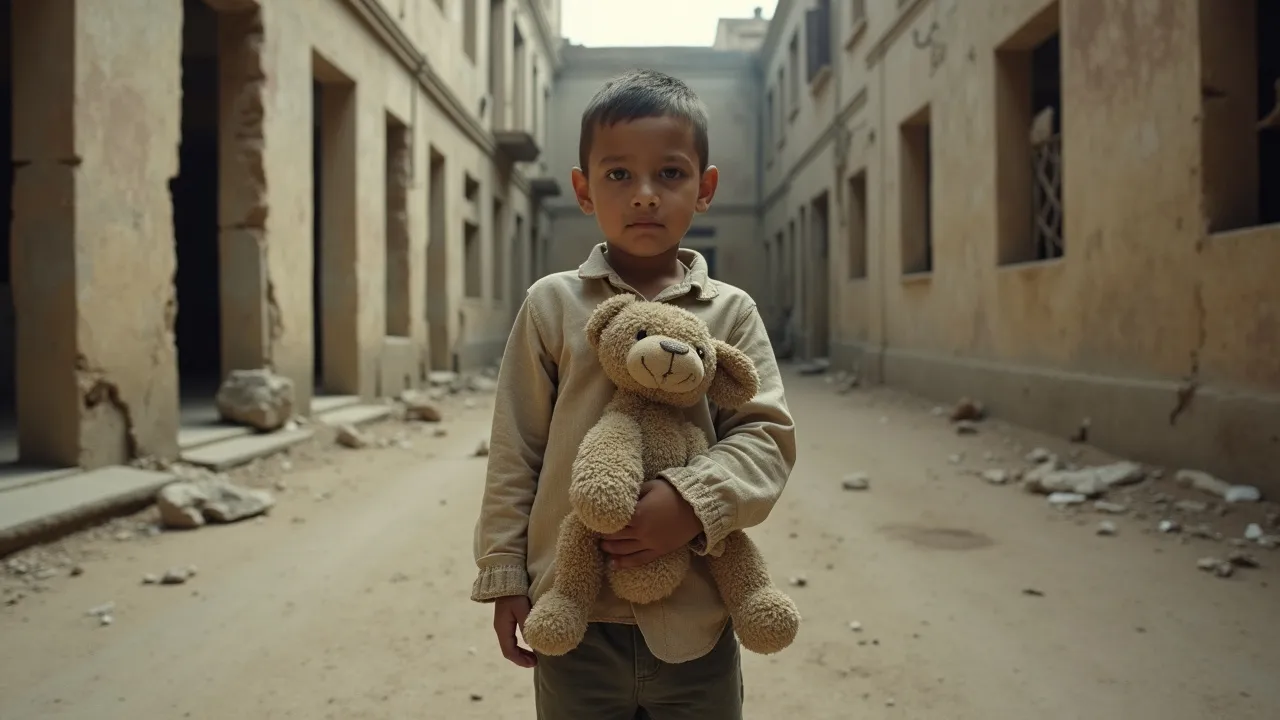
World Day for War Orphans on January 6th raises global awareness of children orphaned by armed conflicts, advocating for their rights, protection, and psychosocial support through education and humanitarian action.
The Historical Origins & Evolutionary Journey
World Day for War Orphans, observed annually on January 6th, was established by the United Nations General Assembly in 2003 to focus global attention on the hundreds of thousands of children who lose one or both parents due to armed conflict. The day emerged from growing recognition that war orphans face unique vulnerabilities including displacement, poverty, recruitment into armed forces, and lack of access to education and healthcare.
The Foundational Catalyst
The impetus for the observance came from the 2001 UN Report on the Impact of Armed Conflict on Children, known as the Machel Study, which highlighted the specific plight of orphans. Advocacy by non-governmental organizations such as Save the Children and UNICEF pushed for a dedicated day. The UN General Assembly adopted resolution 57/220 on December 18, 2002, designating January 6th annually.
The Legislative/Official Adoption
On January 6, 2003, the first official observance took place with a series of events at UN headquarters in New York, including a panel discussion and a photo exhibition titled "Faces of War Orphans." Member states were encouraged to adopt national policies protecting orphaned children. Since then, the day has been marked by humanitarian campaigns, school programs, and fundraising initiatives worldwide.
Modern Global Legacy
Today, the day has evolved to incorporate digital advocacy, with social media campaigns like #WarOrphansDay trending annually. The UN Sustainable Development Goals (SDGs), particularly Goal 16 (Peace, Justice and Strong Institutions), have integrated orphan protection targets. The observance continues to push for stronger international law enforcement against child soldier recruitment and for support programs that reunite families or provide foster care.
How to Celebrate World Day for War Orphans
Observing World Day for War Orphans involves both personal reflection and active engagement. Below are actionable strategies for individuals, schools, and organizations worldwide.
For Individuals
- Educate yourself by reading first-hand accounts from war orphans through organizations like War Child or the UNHCR.
- Donate to reputable charities that provide food, shelter, and education to war orphans, such as UNICEF, Save the Children, or the International Rescue Committee.
- Advocate by writing to your local representative urging stronger protections for children in conflict zones.
For Schools and Educational Institutions
- Hold a teach-in on the history of child soldiers and orphaned populations, using curriculum guides from UNICEF.
- Organize a fundraising event such as a sponsored walk or bake sale, with proceeds directed to orphan support programs.
- Create a mural or art project expressing solidarity with war orphans, displaying it in the school hallway.
For Organizations and Companies
- Launch a matching gift campaign where the company matches employee donations to war orphan charities.
- Host a webinar featuring experts on child protection in conflict zones.
- Provide pro bono services such as legal aid for orphan asylum-seekers or counseling for traumatized children.
Regional Variations
While January 6th is the main observance, some countries have localized traditions. In Rwanda, communities gather for remembrance walks on that date. In Syria, displaced families organize communal meals for orphaned children. In Colombia, schools dedicate the entire first week of January to peace education and orphan support.
Impact on Global Humanitarian Policy
The day has significantly influenced international policy frameworks. The UN Security Council Resolution 1612 (2005) established a monitoring and reporting mechanism for children affected by armed conflict, directly addressing orphan-related issues. Subsequent resolutions like 2225 (2015) strengthened prohibitions against recruiting child soldiers. The day also helped push for the Paris Commitments (2007) , a set of principles to protect children from unlawful recruitment. Non-governmental organizations use the day to launch annual reports on the state of war orphans, pressuring governments to allocate resources for reintegration programs.
Psychological and Social Dimensions of War Orphans
The trauma of losing parents in war often leads to complex post-traumatic stress disorder (C-PTSD), depression, and anxiety. Without intervention, these children face long-term developmental challenges. The day promotes awareness of mental health support, including child-friendly spaces in refugee camps and trauma-focused cognitive behavioral therapy (TF-CBT). Socially, orphans are at higher risk of stigmatization and exploitation. Community-based approaches, such as foster care within extended families or child-headed households support programs, are highlighted as best practices. The observance calls for integrating psychosocial support into emergency response.
Economic Empowerment and Education Initiatives
Education is a cornerstone of the day's advocacy. All war orphans have a right to free, quality education, but many are denied due to displacement or poverty. The day spotlights initiatives like UNICEF's Learning Passports for refugee children and scholarship programs for orphans. Vocational training in trades such as carpentry, tailoring, or IT is promoted as a pathway to economic independence. Micro-grants for young adults who were orphaned by war help them start small businesses. The observance also urges donors to fund school feeding programs , as hunger is a major barrier to attendance.
Legal Frameworks and Child Protection
The day reinforces the Convention on the Rights of the Child (CRC) , particularly Article 20 (protection of children without families) and Article 38 (protection in armed conflict). Many states have enacted national laws to prioritize orphan care, such as the Children's Act in Uganda (2004) and the Juvenile Justice Act in India (2015). However, enforcement remains weak. The observance calls for stronger birth registration systems to prevent statelessness among orphans, and for family reunification databases. International criminal courts have used the day to highlight prosecutions for the crime of conscripting child soldiers.
Community-Led Responses and Resilience
At the grassroots level, communities often develop their own solutions. In South Sudan, community care coalitions identify orphaned children and assign volunteer caregivers. In Afghanistan, mosque-based support networks provide food and informal education. The day celebrates such resilience and encourages external aid to strengthen rather than replace local systems. Storytelling events where former war orphans share their journeys are held globally, fostering empathy and reducing stigma. These narratives are powerful tools for healing and advocacy.
Historical Timeline
The UN Secretary-General publishes the Machel Study on the Impact of Armed Conflict on Children, highlighting the plight of war orphans.
UN General Assembly adopts Resolution 57/220 on December 18, designating January 6th as World Day for War Orphans.
First official observance of World Day for War Orphans at UN Headquarters in New York.
UN Security Council Resolution 1612 establishes a monitoring mechanism for children in conflict, directly benefiting orphan protection.
Adoption of the Paris Commitments to protect children from unlawful recruitment or use by armed forces.
UN Security Council Resolution 2225 strengthens accountability for recruiting child soldiers.
The #WarOrphansDay social media campaign goes viral, gathering over 1 million impressions.
COVID-19 pandemic exacerbates vulnerabilities; the day focuses on ensuring orphaned children receive remote learning support.
20th anniversary of World Day for War Orphans, with a global virtual summit on orphan policy reform.