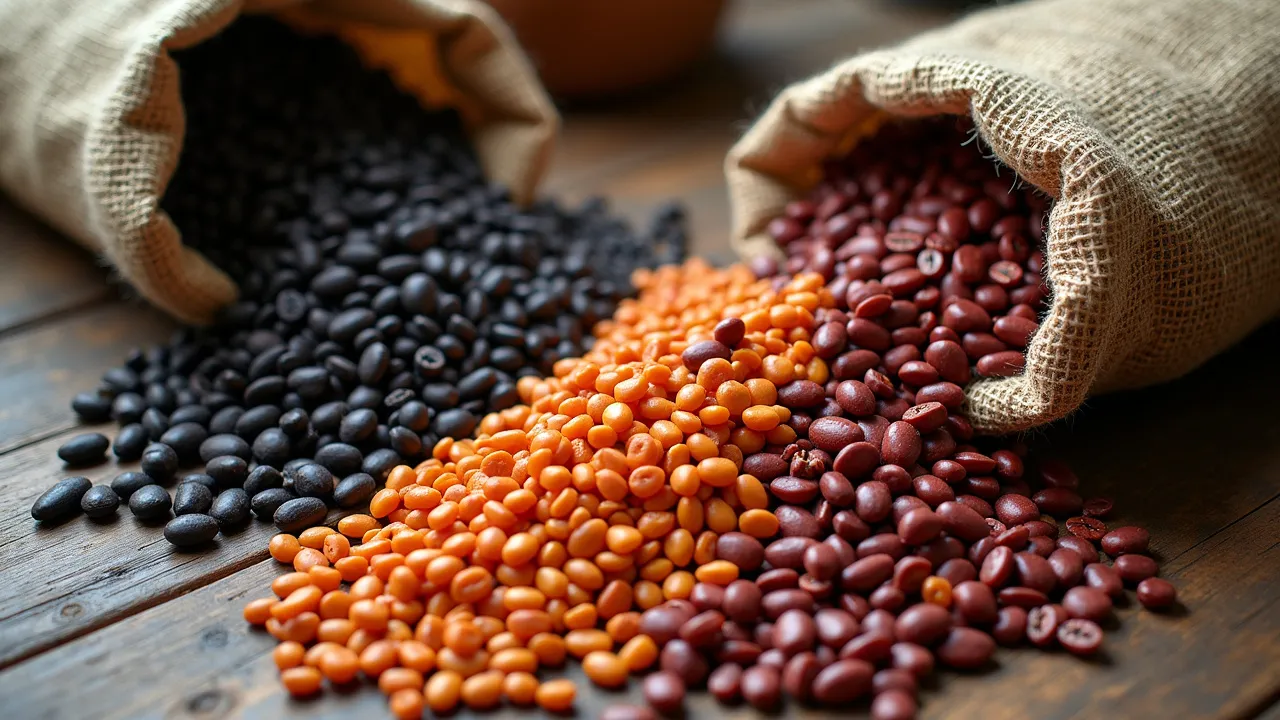
National Bean Day, observed annually on January 6th, celebrates the humble yet mighty legume that has sustained civilizations for millennia. From protein-packed nutrition to cultural significance, discover the history and global impact of beans.
The Historical Origins & Evolutionary Journey
Beans are among the oldest cultivated plants, with evidence of domestication dating back over 10,000 years in the Americas and Asia. National Bean Day, observed on January 6th, traces its modern roots to early 20th-century food promotions and agricultural advocacy.
The Foundational Catalyst
Archaeological findings in Peru and Mexico show that wild beans were gathered and later cultivated alongside maize and squash in the "Three Sisters" agricultural system. In the Old World, fava beans were a staple in ancient Mediterranean diets. The day itself was popularized by the Michigan Bean Commission and private food companies in the 1920s to boost bean consumption during winter months.
The Legislative/Official Adoption
National Bean Day is not a federal holiday but gained recognition through persistent marketing by the United States Department of Agriculture and industry groups. January 6th was chosen because it falls during the post-holiday season when consumers are seeking affordable, healthy foods. Some sources incorrectly attribute the date to the birthday of the inventor of canned baked beans, but no official legislation exists.
Modern Global Legacy
Today, National Bean Day is celebrated in the United States, Canada, and increasingly worldwide as a day to highlight the nutritional, economic, and environmental benefits of beans. It overlaps with World Pulses Day (February 10) but remains distinct for its focus on all bean varieties, from soybeans to lentils.
How to Celebrate National Bean Day
Embracing National Bean Day can be both fun and impactful. Below are actionable ways individuals, schools, and organizations can participate.
Individual Celebrations
- Cook a bean-forward meal: Try chili, bean salads, or traditional dishes like feijoada (Brazil) or dal (India).
- Share on social media: Use #NationalBeanDay and post your bean creations.
- Donate canned beans: Give to local food banks—beans are a high-demand nonperishable item.
- Learn about heirloom beans: Seek farmers' markets for unique varieties like Christmas lima or Jacob's cattle beans.
Classroom and School Activities
- Bean germination experiment: Teach plant biology by sprouting beans in a bag.
- Global bean map: Identify regions where specific beans are staples and discuss cultural importance.
- Cooking demonstration: Invite a chef or parent to prepare bean dishes with students.
Corporate and Community Initiatives
- Volunteer at a community garden: Help plant or harvest beans.
- Organize a bean cook-off: Encourage employees to bring their best bean recipes.
- Promote sustainable sourcing: Host a workshop on fair-trade bean procurement.
Regional Celebrations
In Mexico, tortas de frijoles are popular; in Japan, sweet azuki bean desserts are shared. In the American South, a pot of black-eyed peas on January 6th is thought to bring luck—coinciding with National Bean Day.
Nutritional Powerhouse: Health Benefits of Beans
Protein and Fiber
Beans are an excellent plant-based protein source, providing up to 15 grams per cup, along with high fiber that aids digestion and lowers cholesterol. The USDA recommends consuming 1.5 cups of legumes per week for optimal heart health.
Vitamins and Minerals
Rich in folate, iron, magnesium, and potassium, beans support red blood cell production, muscle function, and blood pressure regulation. Black beans, for instance, contain more antioxidants per gram than many fruits.
Diabetes Management
With a low glycemic index, beans help stabilize blood sugar levels, making them ideal for type 2 diabetics. Studies show that regular bean consumption reduces HbA1c levels.
Sustainable Protein
Producing 1 kg of beef emits about 60 kg of CO₂, while the same amount of beans emits only 0.8 kg. Shifting towards bean-based diets can significantly lower environmental footprints.
Global Bean Economy and Trade
The global bean market is valued at over $15 billion, with soybeans dominating as the most traded legume. However, dry beans like kidney and pinto beans are vital for food security in developing nations.
Top Producers and Exporters
- Brazil: Largest dry bean producer, cultivating over 3 million tons annually.
- India: Major producer of chickpeas and pigeon peas.
- United States: Leading exporter of black beans and lentils, primarily from the Pacific Northwest.
Fair Trade Challenges
Many smallholder farmers in Africa and Latin America face price volatility. Organizations like Fairtrade International work to ensure farmers receive living wages for bean crops.
Diverse Bean Varieties and Culinary Uses
Common Types
- Black beans: Staple in Latin American cuisine; used in soups, salads, and burritos.
- Kidney beans: Key ingredient in chili con carne and Indian rajma.
- Chickpeas (garbanzo): Basis for hummus and falafel; high in protein.
- Lentils: Quick-cooking; common in dals and European stews.
- Soybeans: Processed into tofu, tempeh, and edamame; source of oil.
Heirloom and Regional Varieties
Foraged bean varieties like the Rattlesnake bean or Anasazi bean offer unique flavors and colors. In Japan, azuki beans are used in sweets like anko (red bean paste).
Cultural Significance and Folklore
Symbolism in Traditions
In many cultures, beans represent life, fertility, and fortune. The Roman Catholic tradition of eating beans during Lent reflects their nourishing yet frugal nature. In parts of Africa, a dish called "moin moin" made from black-eyed peas is served at celebrations.
Superstitions
In the American South, eating black-eyed peas on New Year's Day is believed to bring prosperity—a custom that extends to National Bean Day. In Greece, a spilled bean is considered a sign of upcoming wealth.
Literature and Idioms
The phrase "spill the beans" originates from ancient Greece, where voting was done with beans; a spilled pot would reveal results early. "Full of beans" means full of energy.
Environmental Impact and Sustainability
Beans are nitrogen-fixing crops, meaning they enrich soil fertility without synthetic fertilizers. This reduces the carbon footprint of agriculture.
Water Efficiency
Beans require significantly less water than animal proteins: producing 1 kg of beans uses about 50 liters of water, compared to 15,000 liters for beef.
Soil Health
Crop rotation with beans breaks pest cycles and reduces the need for pesticides. Farmers increasingly adopt beans as a cover crop for regenerative agriculture.
Historical Timeline
Domestication of beans begins in the Americas (common bean) and Asia (soybean, mung bean).
Christopher Columbus encounters bean varieties in the Caribbean; beans introduced to Europe and later to Africa via slave trade.
Michigan Bean Commission and food companies promote National Bean Day to increase winter bean consumption; January 6th becomes associated with bean advocacy.
Canned baked beans become a convenience staple; National Bean Day informally observed in households and school cafeterias.
United Nations declares February 10 as World Pulses Day, raising awareness about legumes; National Bean Day remains a separate unofficial celebration.