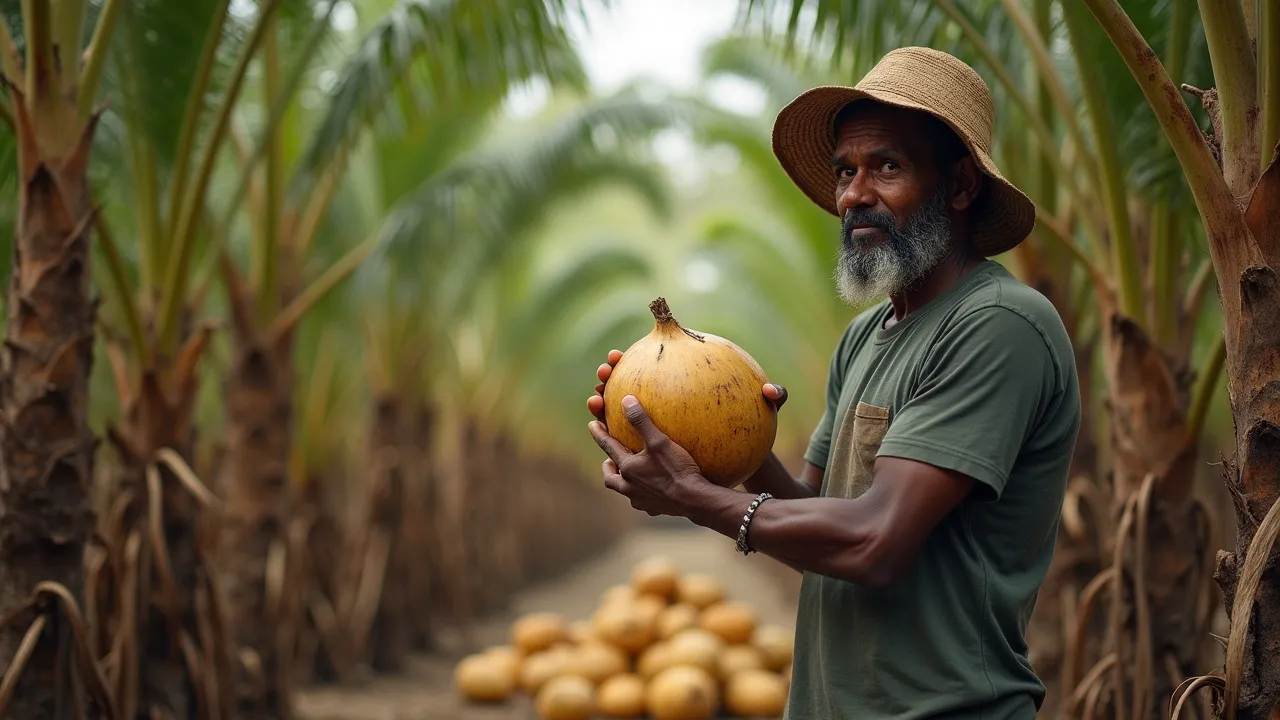
World Coconut Day on September 2nd celebrates the coconut's global significance as a versatile crop, promoting sustainable agriculture and livelihoods across tropical regions.
The Historical Origins & Evolutionary Journey
The coconut (Cocos nucifera) is one of nature's most versatile gifts, with a history spanning thousands of years. World Coconut Day, observed on September 2nd, was established to honor this remarkable fruit and its contributions to humanity. The day was initiated by the Asian and Pacific Coconut Community (APCC) to raise awareness about the economic, social, and nutritional importance of coconuts.
The Foundational Catalyst
The domestication of coconuts likely began in the Indo-Pacific region around 4,000 years ago. Coconuts spread across the tropics through ocean currents and human migration, becoming a staple food and material in many cultures. In the 20th century, the need for international cooperation in coconut research and trade led to the formation of the APCC in 1969, which ultimately proposed World Coconut Day.
The Legislative/Official Adoption
In 2001, the APCC officially declared September 2nd as World Coconut Day. This date was chosen to coincide with the peak harvesting season in many coconut-producing countries and to highlight the crop's role in sustainable development. The first celebration featured seminars, cultural events, and plantation tours across member nations.
Modern Global Legacy
Today, World Coconut Day is recognized globally, with events ranging from educational workshops to coconut product fairs. The day emphasizes the coconut's role in combating malnutrition, providing renewable energy, and supporting millions of smallholder farmers. The APCC continues to coordinate activities, promoting sustainable farming practices and innovation in coconut processing.
How to Celebrate World Coconut Day
World Coconut Day offers countless opportunities to appreciate and promote the coconut. Whether you're an individual, school, or organization, here are actionable ways to participate:
- Host a Coconut-Themed Event: Organize a tasting party featuring coconut-based dishes like curries, desserts, and beverages. Include educational talks on the fruit's benefits.
- Plant a Coconut Tree: Contribute to reforestation or home gardening by planting a palm in suitable climates. Use this as a symbol of sustainability.
- Support Local Farmers: Purchase coconut products directly from cooperatives or fair-trade sources to boost local economies.
- Educate Others: Share infographics and facts on social media about the coconut's impact on health and environment. Use hashtags like #WorldCoconutDay.
- Reduce Waste: Explore creative uses for coconut husks and shells, such as making crafts, charcoal, or biodegradable pots.
Regional Celebrations
In the Philippines, farmers hold harvest festivals with coconut husking competitions. In India, temples offer coconuts as sacred offerings. In Brazil, street vendors sell fresh coconut water. Each region adds unique traditions, emphasizing the fruit's cultural significance.
Nutritional Benefits and Health Impacts
Coconut is a nutrient-dense superfood, providing essential vitamins, minerals, and healthy fats. Its versatile forms—water, oil, milk, and meat—offer numerous health benefits.
Coconut Water
- Rich in electrolytes like potassium and magnesium, ideal for hydration.
- Low in calories and natural sugars, making it a healthy alternative to sports drinks.
Coconut Oil
- Contains medium-chain triglycerides (MCTs) that boost metabolism and support brain function.
- Antimicrobial properties due to lauric acid, aiding immune health.
Coconut Meat and Milk
High in fiber, iron, and selenium. They promote digestive health and provide sustained energy. Studies suggest regular consumption can improve cholesterol levels and reduce inflammation.
Global Economic Significance of the Coconut Industry
The coconut industry is a vital economic engine for many tropical nations, providing livelihoods for over 11 million smallholder farmers worldwide. Global production exceeds 60 million tons annually, with major contributors including Indonesia, the Philippines, India, and Brazil.
- Export Value: Coconut oil, desiccated coconut, and copra are top exports, generating billions in revenue.
- Employment: From harvesting to processing, the industry employs millions, especially women in rural areas.
- Value-Added Products: Innovations like coconut flour, activated charcoal, and coconut vinegar open new markets.
World Coconut Day highlights these contributions, advocating for fair trade and sustainable practices to ensure equitable growth.
Sustainable Coconut Farming and Environmental Stewardship
Coconut palms are considered a 'tree of life' because of their minimal environmental footprint. However, unsustainable practices can lead to soil degradation and deforestation. The APCC promotes sustainable farming through:
- Intercropping: Growing other crops between palms to maintain biodiversity and soil health.
- Organic Farming: Reducing chemical inputs to protect ecosystems and worker health.
- Water Conservation: Drip irrigation and rainwater harvesting techniques.
Climate Resilience
Coconut palms are highly resilient to salt and wind, making them ideal for coastal protection and climate adaptation. World Coconut Day encourages replanting programs and carbon sequestration initiatives.
Cultural and Traditional Uses of Coconut Across the Globe
Coconut plays a sacred role in many cultures. In Hinduism, it is offered to deities as a symbol of purity. In Polynesian cultures, the coconut palm is considered a gift from the gods. Here are some traditional uses:
- Religious Ceremonies: Breaking a coconut is a common ritual in Indian weddings and temple offerings.
- Cuisine: From Thai curries to Filipino latik, coconut is a foundational ingredient.
- Art and Craft: Shells are carved into jewelry, buttons, and utensils; leaves are woven into mats and baskets.
World Coconut Day celebrates this cultural heritage, encouraging preservation of traditional knowledge.
Versatile Coconut Recipes and Everyday Uses
Coconut's culinary versatility is unmatched. From breakfast to dessert, here are popular uses:
Cooking
- Coconut Rice: Cook rice with coconut milk for a fragrant side dish.
- Coconut Curry: Simmer vegetables or meat in a spiced coconut sauce.
- Coconut Flour Pancakes: A gluten-free alternative for baking.
Beauty and Household
- Use coconut oil as a moisturizer or makeup remover.
- Apply coconut water as a natural facial toner.
- Make DIY cleaning scrubs with coconut oil and baking soda.
World Coconut Day is the perfect time to experiment with these recipes and share them with loved ones.
Historical Timeline
Early domestication of coconuts in the Indo-Pacific region, with evidence of cultivation in the Philippines and Indonesia.
Portuguese and Spanish explorers spread coconuts to the Americas and Africa, establishing plantations.
The Asian and Pacific Coconut Community (APCC) is founded to promote cooperation among coconut-producing nations.
The APCC officially declares September 2 as World Coconut Day, with the first celebration held in member countries.
World Coconut Day gains global recognition, with events extending beyond APCC members to Europe and North America.
Digital campaigns and virtual seminars mark World Coconut Day during the COVID-19 pandemic, reaching a wider audience.