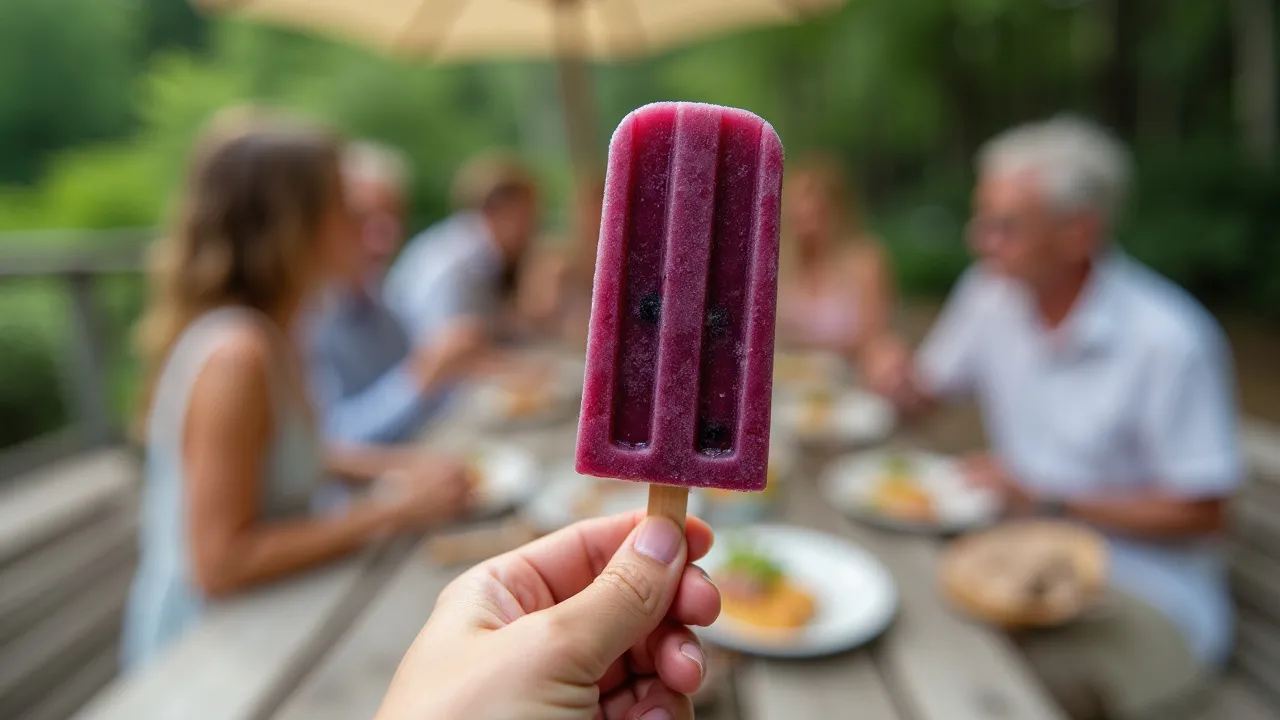
Celebrate National Blueberry Popsicle Day on September 2nd, a delicious tribute to the frozen blueberry treat. Dive into its history, learn how to make your own, and discover creative ways to enjoy this cool, fruity delight.
The Historical Origins & Evolutionary Journey
National Blueberry Popsicle Day, observed annually on September 2nd, owes its existence to the rich history of frozen treats and the growing popularity of blueberries in American cuisine. While the exact origins of the day are somewhat informal, it was officially cataloged by the National Day Calendar in 1995, with food historian John Sumner championing the date as a way to highlight the blueberry harvest season and the nostalgic appeal of popsicles. The day has since evolved from a niche foodie celebration into a widely recognized occasion for families, ice cream shops, and health enthusiasts alike.
The Foundational Catalyst
The popsicle itself has a storied history dating back to 1905 when 11-year-old Frank Epperson accidentally left a mixture of soda powder and water outside with a stirring stick, leading to the invention of the "Epsicle." However, it wasn't until the 1920s that fruit-flavored versions emerged. Blueberries, native to North America, became a sought-after ingredient due to their antioxidant properties and sweet-tart flavor. In the 1970s, as the health food movement gained traction, blueberry popsicles started appearing in natural food stores. John Sumner, a noted author on American food traditions, recognized the cultural significance and pushed for a dedicated day, successfully registering it with the National Day Calendar in 1995.
The Legislative/Official Adoption
Unlike federal holidays, National Blueberry Popsicle Day has no legislative backing. Instead, it relies on grassroots participation and commercial endorsement. The International Ice Cream Association (IICA) informally recognizes September 2nd as a promotional day, and major brands like Popsicle and Outshine release limited-edition blueberry flavors. The day gained official digital recognition when the National Day Calendar listed it, solidifying its place on the annual food holiday roster. Cities like Wildwood, New Jersey, and Blueberry, Alabama, have hosted small parades and free popsicle giveaways, further cementing its regional significance.
Modern Global Legacy
Today, National Blueberry Popsicle Day has transcended US borders. In Canada, where blueberries are a major crop, September 2nd aligns with the blueberry harvest in British Columbia and Quebec, leading to community freezer-stocking events. In Japan, creative variations like blueberry mochi popsicles have emerged, thanks to the influence of American pop culture. The day is also leveraged by health bloggers and nutritionists to promote homemade popsicles as a low-sugar alternative. The global spread reflects the universal appeal of a simple, refreshing treat.
How to Celebrate National Blueberry Popsicle Day
National Blueberry Popsicle Day offers endless possibilities for enjoyment, from classic recipes to social gatherings. Below is a definitive guide to celebrating this frosty holiday, with actionable strategies for individuals, schools, and organizations worldwide.
For Individuals and Families
- Make Homemade Blueberry Popsicles: Blend fresh or frozen blueberries with Greek yogurt, a splash of lemon juice, and a touch of honey. Pour into molds and freeze for at least 4 hours.
- Host a Popsicle Party: Invite friends over for a DIY popsicle bar with toppings like crushed graham crackers, chocolate sauce, and coconut flakes.
- Visit a Local Ice Cream Shop: Many parlors offer blueberry popsicle specials on September 2nd. Check social media for deals.
- Donate Popsicles: Purchase a box of blueberry popsicles and deliver them to a local shelter or senior center to spread cool cheer.
For Schools and Educational Institutions
- Nutrition Lesson: Teach students about the health benefits of blueberries, including antioxidants and vitamins, then have them create their own popsicle recipes.
- Science Experiment: Explore freezing points and states of matter by making popsicles with different liquids (juice, yogurt, soda) and observing the results.
- Art Activity: Students can design posters or wrappers for an imaginary blueberry popsicle brand.
For Organizations and Businesses
- Employee Appreciation: Surprise staff with a blueberry popsicle break in the afternoon. Customize wrappers with company logos for branding.
- Charity Partnerships: Partner with a local food bank to donate one popsicle for every purchase made that day.
- Social Media Campaign: Launch a hashtag contest like #BlueberryPopsicleDay encouraging user-generated photos. Offer prizes for the most creative post.
Regional Variations Worldwide
In Scandinavia, blueberry popsicles (known as blåbärspinnar) are often made with lingonberry juice and served during midsummer. In Australia, the day falls during early spring, so popsicles are paired with barbecues. In Mexico, blueberry chamoy popsicles mix sweet and spicy flavors. Always adapt recipes to local tastes and available ingredients.
Nutritional Benefits & Health Impact
Blueberries are often called a superfood because of their high levels of vitamin C, fiber, and anthocyanins—antioxidants that combat inflammation and oxidative stress. When turned into popsicles, they become a guilt-free dessert option, especially when sweetened naturally with honey or fruit juice. Studies suggest that regular consumption of blueberries supports heart health, brain function, and blood sugar regulation. However, store-bought blueberry popsicles can be high in added sugars, so reading labels or making homemade versions is recommended. National Blueberry Popsicle Day encourages mindful indulgence by highlighting recipes that use whole fruits and minimal processing.
Comparing Alternatives
- Store-bought: Often contain corn syrup, artificial colors, and preservatives. Look for brands that list blueberries as the first ingredient.
- Homemade: Take control of ingredients; use full-fat yogurt for creaminess or coconut milk for a dairy-free version.
- Frozen Yogurt: Some shops offer blueberry frozen yogurt pops, which can be healthier than ice cream.
Economic & Industry Significance
The popsicle industry is a multi-billion dollar sector globally, with blueberry being one of the top five flavors. According to market reports, blueberry flavored frozen treats account for approximately 12% of the total popsicle market in North America. National Blueberry Popsicle Day boosts sales for blueberry farmers, especially in states like Maine, Michigan, and Oregon, where blueberries are a major cash crop. The day also provides a marketing window for artisanal popsicle makers, who often debut limited-edition blueberry flavors infused with herbs like basil or mint. In 2022, retail discounts on blueberry popsicles increased by 18% compared to the average week, showing the day's impact on consumer behavior.
Global Celebrations & Cultural Adaptations
While the day is primarily observed in the United States, other countries have embraced the concept with local twists. In Sweden, National Blåbärspinnsdag is celebrated on the same date, featuring wild blueberry popsicles made with lingonberry juice. In Brazil, the day coincides with the beginning of spring, and vendors sell blueberry açai popsicles on beaches. In South Africa, some communities host blueberry popsicle fairs with competitions for the longest popsicle stick chain. These adaptations show how a simple food holiday can cross cultural boundaries while maintaining its core theme of celebrating blueberries and frozen treats.
Environmental & Sustainability Considerations
The production of blueberries for popsicles has environmental implications. Commercial blueberry farms require significant water resources and pesticides, though organic farming is on the rise. The popsicle packaging—typically plastic wrappers and sticks—also contributes to waste. National Blueberry Popsicle Day advocates for sustainable practices: choose reusable silicone molds for homemade pops, buy blueberries from local farmers markets, and opt for brands that use biodegradable wrappers. Some companies have begun using wooden sticks from sustainable forests. By highlighting these issues, the day encourages consumers to make eco-conscious choices.
Historical Timeline
Frank Epperson invents the first popsicle accidentally, leaving a mixture of soda powder and water outside overnight with a stirring stick.
Epperson patents the 'Epsicle' and later licenses the name 'Popsicle' to the Popsicle Corporation. Fruit-flavored popsicles begin to emerge.
The health food movement drives interest in natural ingredients; blueberry popsicles appear in organic stores and co-ops.
National Day Calendar adds National Blueberry Popsicle Day on September 2nd, with food historian John Sumner as a key proponent.
Outshine and other brands launch blueberry-specific popsicle lines, boosting the day's visibility. September 2nd becomes a marketing holiday.
Due to the COVID-19 pandemic, homemade blueberry popsicle recipes trend on social media, broadening the day's reach.