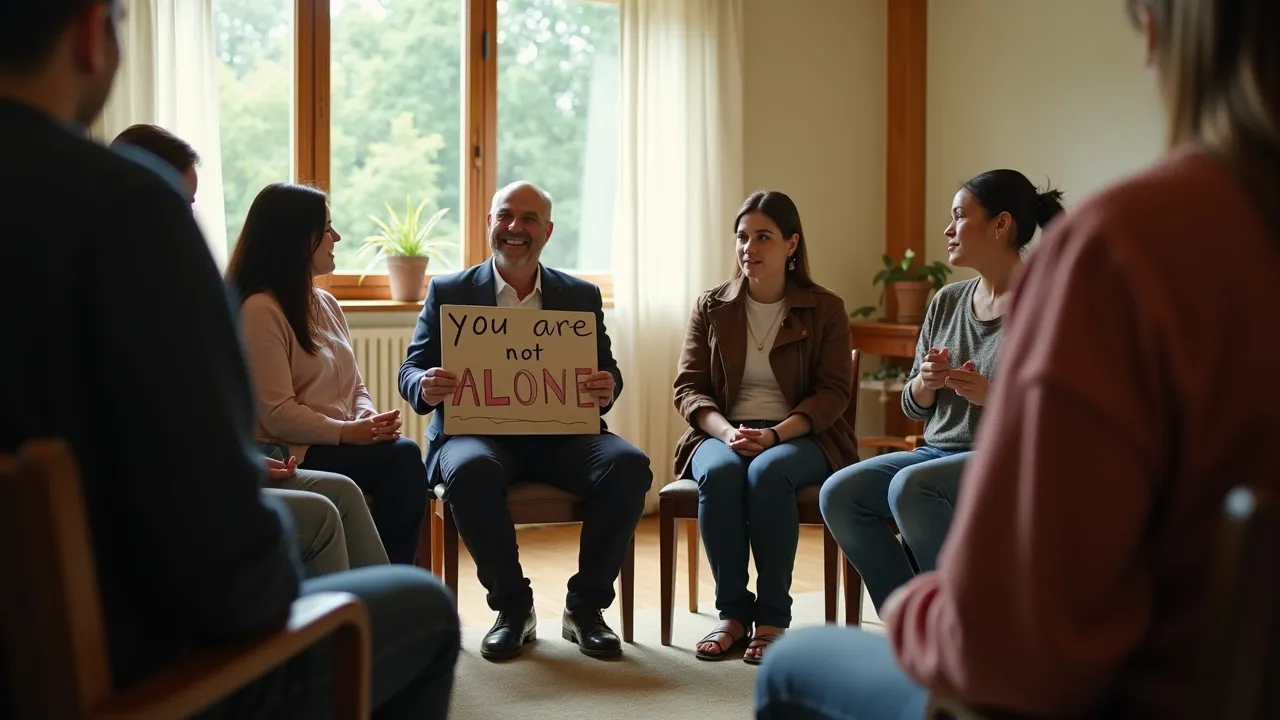
World Bipolar Day, observed on March 30th, aims to raise awareness and reduce stigma around bipolar disorder. It honors Vincent van Gogh's birthday and promotes education and support.
The Historical Origins & Evolutionary Journey
World Bipolar Day (WBD) is observed annually on March 30th, the birthday of the iconic Dutch painter Vincent van Gogh, who is posthumously believed to have lived with bipolar disorder. The day was established by the International Bipolar Foundation (IBPF) in 2014 to raise global awareness, reduce stigma, and promote education about bipolar disorder. Since its inception, the observance has grown into a worldwide movement, uniting individuals, families, healthcare professionals, and organizations in a shared mission to foster understanding and support.
The Foundational Catalyst
The idea for World Bipolar Day emerged from the recognition that bipolar disorder is one of the most misunderstood mental health conditions. Despite affecting approximately 60 million people worldwide, the disorder is often shrouded in misinformation and prejudice. The IBPF, a leading nonprofit organization dedicated to improving the lives of those affected by bipolar disorder, spearheaded the initiative. By linking the observance to van Gogh's birthday, the foundation aimed to highlight the creative potential and resilience of individuals with bipolar disorder, challenging the narrative of incapacity.
The Legislative & Official Adoption
World Bipolar Day was officially launched on March 30, 2014, through a coordinated campaign involving social media, community events, and educational programs. The day gained rapid traction as mental health organizations worldwide, including the World Health Organization (WHO) and the World Federation for Mental Health, endorsed the cause. Many governments and institutions have since recognized March 30th as a day to address bipolar disorder, incorporating awareness activities into their public health calendars.
Modern Global Legacy
Today, World Bipolar Day is marked by a wide range of activities, from webinars and support group meetings to art exhibitions and fundraising walks. The observance has significantly contributed to the destigmatization of bipolar disorder, encouraging open conversations about mental health. The IBPF continues to provide resources, including toolkits for event organizers, fact sheets, and personal stories, empowering communities to take action. The legacy of WBD is a testament to the power of collective advocacy in transforming perceptions and improving lives.
How to Celebrate World Bipolar Day
World Bipolar Day offers countless opportunities for individuals, schools, workplaces, and organizations to participate in awareness and support. Below are actionable strategies tailored to different groups and cultures.
For Individuals
- Educate Yourself: Read reputable sources about bipolar disorder, such as the IBPF or National Institute of Mental Health (NIMH).
- Share Your Story: Use social media with hashtags like #WorldBipolarDay and #StigmaFree to share personal experiences safely.
- Donate or Volunteer: Support mental health charities that focus on bipolar research and community programs.
- Practice Self-Care: Engage in mindfulness, exercise, or creative activities to nurture your mental well-being.
For Schools & Universities
- Host Educational Workshops: Invite mental health professionals to speak about bipolar disorder symptoms, treatments, and support resources.
- Art Contests: Encourage students to create artwork or essays inspired by van Gogh, emphasizing creativity and resilience.
- Peer Support Groups: Establish safe spaces where students can discuss mental health challenges without judgment.
For Workplaces & Organizations
- Lunch-and-Learn Sessions: Provide educational materials and invited talks on bipolar disorder at the workplace to foster inclusion.
- Mental Health Days: Offer paid time off or flexible scheduling to support employees' mental health needs.
- Fundraising Drives: Organize events like charity walks or online campaigns to raise funds for bipolar research.
Global & Cultural Variations
In the United States, large-scale awareness campaigns often feature celebrity endorsements and media partnerships. In India, local mental health NGOs conduct free screening camps and community outreach programs. European countries like the United Kingdom emphasize parliamentary briefings and policy discussions. In Japan, World Bipolar Day coincides with nationwide mental health weeks, integrating into broader public education efforts.
Global Impact & Societal Themes
World Bipolar Day has a profound global impact, addressing critical societal themes such as stigma reduction, mental health parity, and the intersection of creativity and mental illness. The observance encourages a shift from fear and misunderstanding to empathy and factual knowledge. By focusing on the lived experiences of individuals with bipolar disorder, WBD helps dismantle stereotypes that associate the condition with violence or instability. Instead, it highlights the potential for meaningful contributions to society, supported by proper treatment and community support.
Stigma Reduction
Stigma remains one of the biggest barriers to seeking help. World Bipolar Day mobilizes media campaigns, public talks, and personal testimonials to normalize conversations about bipolar disorder. The annual focus on van Gogh’s birthday serves as a powerful symbol of the artistic brilliance that can coexist with mental health challenges.
Health Policy & Advocacy
WBD galvanizes advocacy efforts for better mental health services, insurance coverage, and research funding. Organizations use the day to lobby policymakers for parity between physical and mental health care. The IBPF releases annual policy briefs highlighting gaps in care and recommendations for improvement.
Creativity and Resilience
Many historical figures, including van Gogh, are believed to have had bipolar disorder. World Bipolar Day celebrates the creative and innovative potential of individuals with the condition, challenging the notion that it is solely a disability. Art exhibitions, poetry readings, and music performances are common WBD events that showcase this talent.
Understanding Bipolar Disorder: Types, Symptoms, and Treatments
World Bipolar Day aims to educate the public about the clinical realities of bipolar disorder. Understanding the basics is crucial for reducing misconceptions and encouraging early intervention.
Types of Bipolar Disorder
- Bipolar I: Characterized by manic episodes lasting at least seven days or severe mania requiring hospitalization. Depressive episodes typically last two weeks.
- Bipolar II: Involves hypomanic episodes (less severe than full mania) and long periods of depression.
- Cyclothymic Disorder: Persistent mood instability with numerous periods of hypomanic and depressive symptoms lasting at least two years.
Symptoms and Diagnosis
Key symptoms include extreme mood swings between highs (mania/hypomania) and lows (depression). Manic episodes can include elevated energy, decreased need for sleep, grandiosity, and risky behaviors. Depressive episodes involve sadness, hopelessness, fatigue, and suicidal thoughts. Diagnosis requires a comprehensive psychiatric evaluation and may involve mood charting over time.
Treatment and Management
Effective treatments include mood stabilizers (e.g., lithium), antipsychotics, antidepressants, psychotherapy (e.g., cognitive-behavioral therapy), and lifestyle changes like regular sleep and exercise. Early diagnosis and consistent treatment can help individuals lead fulfilling lives. World Bipolar Day emphasizes the importance of accessible mental health care and the need for ongoing research into better therapies.
Role of the International Bipolar Foundation
The International Bipolar Foundation (IBPF) is the driving force behind World Bipolar Day. Founded in 2007 by Muffy Walker and others, the IBPF is dedicated to eradicating the stigma associated with bipolar disorder and improving the quality of life for those affected. The foundation provides a wealth of resources, including educational webinars, support group directories, research funding, and advocacy tools. On World Bipolar Day, the IBPF releases special reports, hosts virtual events, and coordinates global activities. Their annual theme—such as “Breaking the Silence” or “Hope and Recovery”—guides the focus of the day’s messaging.
Key Initiatives
Bipolar Support Groups: Facilitating peer-led groups in over 30 countries.
Youth Education: Programs designed to teach young people about mental health resilience.
Research Grants: Funding innovative studies on bipolar disorder causes and treatments.
Future Directions and Community Action
As World Bipolar Day continues to grow, future directions include expanding global participation through digital platforms, integrating into school curricula, and leveraging social media influencers to spread awareness. Community action remains the cornerstone of the observance. Individuals are encouraged to start local support groups, contact their elected representatives to advocate for mental health funding, and share the IBPF’s educational materials. The ultimate goal is a world where bipolar disorder is understood, accepted, and effectively managed, allowing those affected to thrive.
Historical Timeline
March 30: Vincent van Gogh is born. His later posthumous diagnosis of bipolar disorder inspires the date of World Bipolar Day.
The International Bipolar Foundation (IBPF) is founded by Muffy Walker and a group of advocates to combat stigma and support research.
First official World Bipolar Day on March 30, initiated by the IBPF. Global awareness campaigns and events take place.
World Bipolar Day receives endorsement from the World Health Organization (WHO) and the World Federation for Mental Health.
Due to the COVID-19 pandemic, WBD events shift to virtual platforms, increasing digital reach and participation.
World Bipolar Day celebrates its 10th anniversary, with events in over 80 countries and a focus on youth mental health.