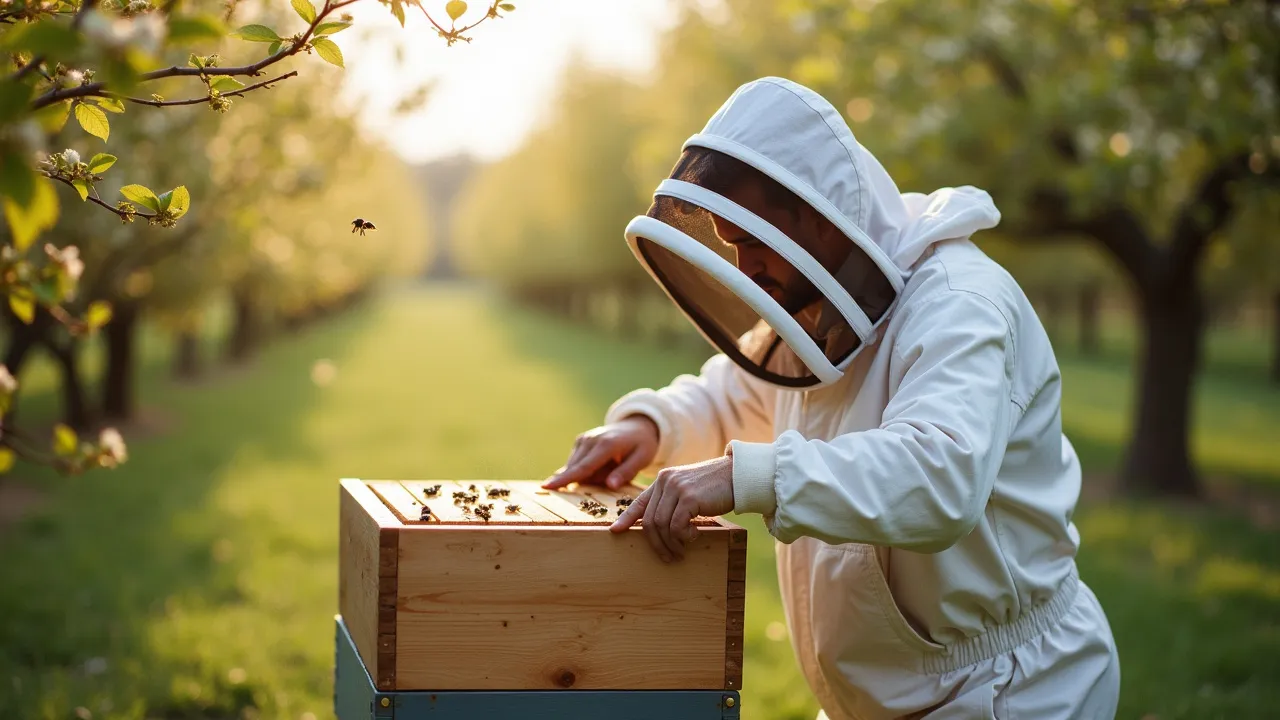
World Bee Day, observed on May 20th, raises awareness about the essential role of bees and other pollinators in sustaining our ecosystems and agriculture. Established by the United Nations, it promotes actions to protect bees and support sustainable beekeeping.
The Historical Origins & Evolutionary Journey
World Bee Day, observed annually on May 20th, honors the birthday of Anton Janša (1734-1773), a Slovenian pioneer of modern apiculture. Janša's innovative beekeeping techniques and passionate advocacy laid the foundation for understanding bees as essential partners in agriculture. The journey from a national tribute to a global observance reflects a growing recognition of bees' critical ecological and economic value.
The Foundational Catalyst
Anton Janša, born in Breznica, Slovenia, became a renowned beekeeper and teacher at the Habsburg Imperial Court. He authored seminal works like "Discussion on Beekeeping" and emphasized the importance of bees for crop pollination. His birthday, May 20, was already celebrated locally as a day to promote beekeeping. In 2014, Slovenia's Beekeepers' Association launched a campaign to make it a UN-recognized day, highlighting the alarming decline in bee populations worldwide.
The Legislative/Official Adoption
Slovenia formally proposed World Bee Day to the United Nations in 2015. After extensive lobbying and support from the International Federation of Beekeepers' Associations (Apimondia), the UN General Assembly unanimously adopted Resolution 72/207 on December 20, 2017, designating May 20 as World Bee Day. The resolution invited all member states, organizations, and individuals to observe the day through education and activities that promote pollinator protection.
Modern Global Legacy
Since its first celebration in 2018, World Bee Day has grown into a worldwide movement. It serves as a platform to address threats such as habitat loss, pesticide use, climate change, and disease. The day also supports Sustainable Development Goals (SDGs), particularly SDG 2 (zero hunger) and SDG 15 (life on land). Annual themes have included "Bee Engaged" and "Save the Bees", driving grassroots actions from planting bee-friendly gardens to advocating for policy changes.
How to Celebrate World Bee Day
World Bee Day offers countless ways for individuals, communities, schools, and organizations to contribute to bee conservation. Below are actionable strategies organized by audience.
For Individuals
- Plant a bee-friendly garden with native flowers, herbs, and shrubs that bloom across seasons. Avoid neonicotinoid pesticides.
- Set up a bee water station with shallow water and pebbles for safe landing.
- Support local beekeepers by purchasing raw honey, beeswax products, or adopting a hive.
- Educate yourself and others using resources from organizations like Greenpeace or the UN World Bee Day page.
For Schools
- Organize a bee-themed art or essay contest to engage students in pollinator importance.
- Invite a local beekeeper for a classroom demonstration or virtual session.
- Build an observation hive (with expert guidance) to study bee behavior.
- Create a school pollinator garden and integrate it into science curriculum.
For Organizations & Governments
- Launch public awareness campaigns through social media, workshops, and press releases highlighting local bee species.
- Implement pesticide-free zones in public parks and municipal landscapes.
- Provide grants or subsidies for beekeepers and farmers adopting agroecological practices.
- Collaborate with researchers on citizen science projects like the Bumble Bee Watch app.
Cultural Variations Across Countries
In Slovenia, World Bee Day is marked by beekeeping exhibitions, traditional honey bread tastings, and visits to the Anton Janša monument. China hosts large-scale beekeeping fairs and educational events in schools. Brazil focuses on stingless native bees (meliponines) with workshops on sustainable harvesting. Kenya highlights beekeeping as a livelihood for rural women and youth through co-op demonstrations. In the United States, many states coordinate with local beekeeping associations for hive inspections, film screenings, and "plant-a-bee-friendly-lawn" challenges.
Why Bees Matter: Ecological and Economic Impact
Bees are among the most important pollinators on Earth, responsible for pollinating over 75% of flowering plants and nearly 35% of global food crops. Their work contributes to biodiversity, food security, and economic stability.
Pollination Services
Bees transfer pollen from male to female flower parts, enabling fertilization and fruit/seed production. This natural service is valued at €265 billion (US$300 billion) annually worldwide (IPBES, 2016). Crops like apples, almonds, cocoa, coffee, and many vegetables depend heavily on bee pollination.
Biodiversity Support
By pollinating wild plants, bees maintain habitat for countless other species. They ensure the reproduction of trees, shrubs, and flowers that provide food and shelter for birds, mammals, and insects. Declines in bee populations trigger cascading ecosystem losses.
Economic and Social Dimensions
- Beekeeping provides livelihoods for millions of smallholder farmers, especially in developing countries. Honey, beeswax, propolis, and royal jelly generate income and improve nutrition.
- Beeswax is used in cosmetics, candles, and food wraps, supporting green industries.
- Pollinator-friendly farming reduces dependency on expensive artificial pollination.
Threats to Bee Populations
Despite their importance, bees face severe threats worldwide. Understanding these challenges is crucial for effective conservation.
Pesticides and Agro chemicals
Neonicotinoids and other systemic pesticides poison bees, impair their navigation, and weaken immune systems. Even low doses can cause colony collapse. Encouraging integrated pest management (IPM) and organic farming reduces exposure.
Habitat Loss and Fragmentation
Urbanization, monoculture agriculture, and deforestation destroy bee nesting sites and floral resources. Creating pollinator corridors and preserving natural areas are vital.
Climate Change
Rising temperatures disrupt flowering times, causing mismatches between bees and food sources. Extreme weather events like droughts and floods also harm colonies.
Diseases and Parasites
Varroa destructor mites, Nosema fungi, and viral infections devastate honey bee colonies. Wild bee populations suffer from pathogen spillover from managed apiaries.
Invasive Species
Non-native bees, like the Asian hornet (Vespa velutina), prey on honey bees and compete for resources. Strict biosecurity measures are needed.
Global Initiatives and Policies for Bee Conservation
World Bee Day amplifies ongoing international efforts to protect pollinators. Several frameworks and campaigns aim to reverse population declines.
International Pollinator Initiative (IPI)
Launched by the Convention on Biological Diversity (CBD) in 2000, the IPI promotes coordinated action for pollinator conservation. Over 20 countries have national pollinator strategies.
EU Pollinators Initiative
The European Union adopted a comprehensive plan in 2018 to address declines, including reducing pesticide risk, restoring habitats, and supporting research. It includes binding targets for pesticide reduction via the Farm to Fork Strategy.
UN Decade on Ecosystem Restoration (2021-2030)
This global drive emphasizes restoring pollinator habitats. Initiatives like the Global Tree Campaign plant bee-friendly trees and shrubs.
Corporate and NGO Actions
- Companies like Unilever and Danone commit to sourcing ingredients from pollinator-friendly farms.
- NGOs such as Friends of the Earth run campaigns for bee-friendly agriculture and provide wildflower seed packs.
- Citizen science programs like Bumble Bee Watch engage the public in monitoring bee populations.
Practical Steps for Sustainable Beekeeping
Beekeeping, when done sustainably, supports bee health and local ecosystems. World Bee Day encourages both novice and experienced beekeepers to adopt best practices.
Choosing Native Species
Keep local honey bee subspecies (e.g., Apis mellifera carnica in Europe) that are adapted to regional climates. Avoid importing exotic bees that may carry diseases or outcompete natives.
Hive Management
- Use natural comb foundation instead of plastic.
- Employ integrated varroa management with organic acids, drone comb removal, and screened bottom boards.
- Leave ample honey stores for winter to avoid supplemental feeding with sugar water.
Habitat Enhancement
Plant a diversity of bee-friendly flowers near apiaries, and maintain natural nesting sites for solitary bees (e.g., dead wood, bare ground, insect hotels). Avoid mowing meadows during peak bloom.
Chemical-Free Practices
Avoid synthetic miticides and antibiotics in hives. Use thymol, oxalic acid, or formic acid if treatment is necessary, following label instructions carefully. Encourage neighbors to adopt organic gardening.
Historical Timeline
Anton Janša, the pioneer of modern beekeeping, is born in Breznica, Slovenia. His innovative techniques later inspire the date for World Bee Day.
Janša becomes the first professional beekeeping teacher at the Imperial Court in Vienna, spreading scientific beekeeping across Europe.
Slovenia's Beekeepers' Association launches an international campaign for a UN World Bee Day, drawing attention to global bee declines.
Slovenia formally proposes World Bee Day to the United Nations, gaining support from Apimondia and other organizations.
The UN General Assembly unanimously adopts Resolution 72/207, designating May 20 as World Bee Day, to be observed annually starting in 2018.
First official World Bee Day celebrated globally. Theme: 'Bee Engaged'. Events include educational workshops, hive openings, and policy discussions.
World Bee Day highlights the connection between bees and COVID-19 recovery, urging sustainable food systems and pollinator protection.
The UN Food and Agriculture Organization (FAO) launches a global report on the state of pollinators, calling for urgent action to reduce pesticide use.