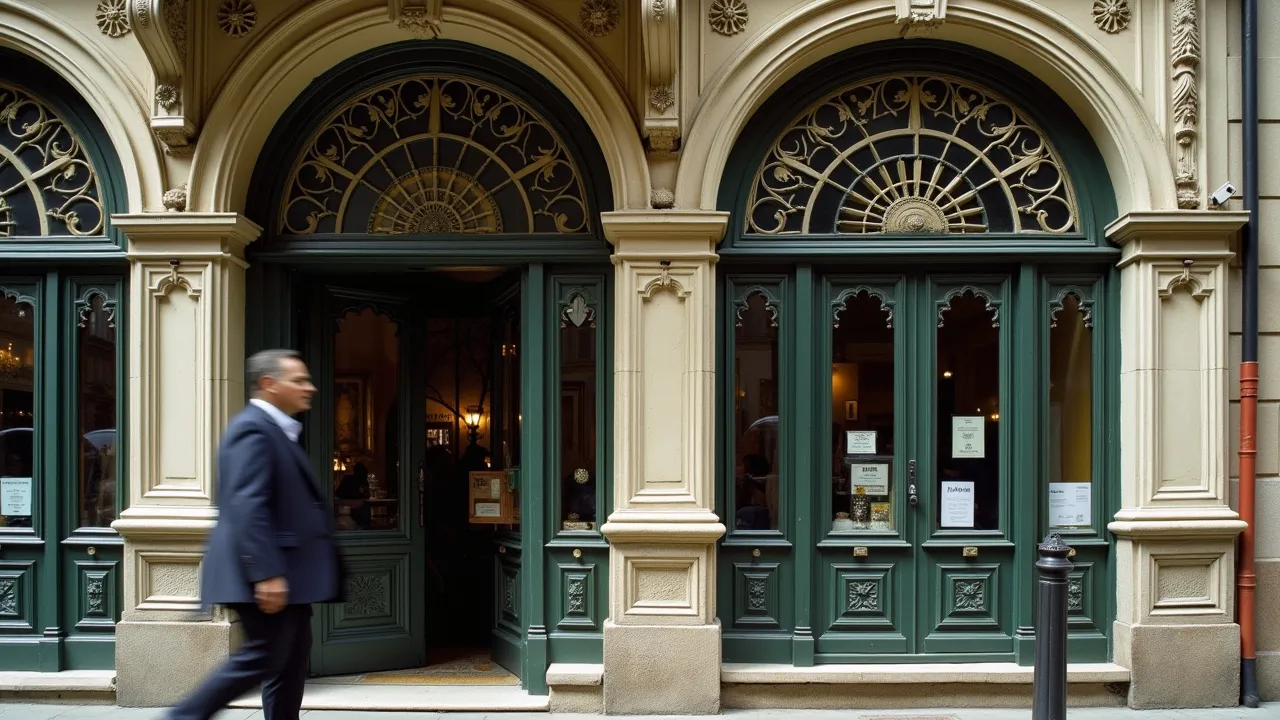
World Art Nouveau Day, observed on June 10th, celebrates the revolutionary art movement that swept the globe at the turn of the 20th century. The day honors the ornate, nature-inspired designs of Art Nouveau, encouraging appreciation and preservation of its architectural and decorative legacy.
What Is World Art Nouveau Day and Why Does It Matter?
World Art Nouveau Day, celebrated annually on June 10th, is a global observance dedicated to the artistic movement known as Art Nouveau. This day serves as a rallying point for enthusiasts, historians, and preservationists to honor the movement's bold, organic forms and its lasting influence on architecture, design, and visual arts. The date was chosen to coincide with the anniversary of several key Art Nouveau landmarks and to raise awareness about the need to protect these fragile cultural treasures.
The Spirit of Art Nouveau
Art Nouveau (or "New Art") emerged in the late 19th century as a deliberate break from historical revival styles. It sought to create a modern aesthetic rooted in nature, characterized by flowing lines, asymmetrical shapes, and the integration of craftsmanship into everyday objects. Key figures include Victor Horta, Antoni Gaudí, Alphonse Mucha, and Louis Comfort Tiffany.
Why June 10th?
June 10th marks the birth or inauguration of several major Art Nouveau sites, such as the opening of the Szecesszió Háza (Hungarian Art Nouveau House) in Budapest. The Art Nouveau European Route, an organization under the Council of Europe, officially launched the observance in 2013 to coordinate international events and highlight the movement's shared heritage across borders.
History of Art Nouveau: Origins and Evolution
The Foundational Catalyst
Art Nouveau was born out of a reaction against the academic art and industrial mass production of the 19th century. The movement's philosophical roots lie in the Arts and Crafts Movement in England, which championed handcraftsmanship and natural forms. However, Art Nouveau took this a step further by embracing new materials like iron and glass, and by aiming to create a total work of art — the Gesamtkunstwerk.
- Belgium and France: Victor Horta's Hôtel Tassel (1893) is often cited as the first true Art Nouveau building, with its exposed ironwork and fluid interior spaces.
- Spain: Antoni Gaudí's Casa Milà and Park Güell in Barcelona blended organic forms with religious symbolism, creating a unique Catalan variant.
- Czech Lands: Alphonse Mucha's posters and the Municipal House in Prague epitomized the decorative, ornate style.
- United States: Louis Comfort Tiffany's stained glass and lamps, and the architecture of Louis Sullivan, reflected the movement's principles.
The Legislative/Official Adoption
No single law established Art Nouveau; rather, it spread through exhibitions, magazines, and international fairs. The 1900 Exposition Universelle in Paris showcased Art Nouveau to the world, cementing its popularity. However, by the outbreak of World War I, the movement had declined, replaced by Art Deco and Modernism.
Modern Global Legacy
Today, Art Nouveau is recognized as a UNESCO World Heritage element in several cities, including Brussels, Barcelona, and Riga. World Art Nouveau Day, initiated in 2013, has grown into a global event with guided tours, exhibitions, and educational programs. It plays a crucial role in lobbying for the preservation of endangered Art Nouveau buildings.
How to Celebrate World Art Nouveau Day
World Art Nouveau Day offers countless ways to engage with the movement, whether you are an individual, a school, or a cultural institution. Below are actionable strategies for different audiences.
For Individuals
- Visit a local Art Nouveau site: Many cities have architectural gems, such as the Paris Métro entrances or the Secession Building in Vienna. Take a self-guided walking tour.
- Attend a virtual lecture: Museums like the Musée d'Orsay often host online talks about Art Nouveau artists and techniques.
- Create Art Nouveau-inspired artwork: Sketch flowing floral patterns or try stained glass techniques using basic materials.
- Read a book: Titles like "Art Nouveau: 1890-1914" by Paul Greenhalgh provide deep insight.
For Schools and Educators
- Organize a classroom workshop: Teach students about the movement's history and have them design their own Art Nouveau poster or vase.
- Field trips: Arrange visits to nearby Art Nouveau buildings or museums with relevant collections.
- Project-based learning: Assign students to research a specific artist and present their findings.
For Organizations and Cultural Institutions
- Host an exhibition: Showcase works by local artists influenced by Art Nouveau, or collaborate with the Art Nouveau European Route for programming.
- Offer guided tours: Partner with local heritage groups to lead walks through Art Nouveau districts.
- Social media campaign: Use hashtags like #WorldArtNouveauDay to share images and stories. Encourage followers to post their own photos.
- Fundraising for preservation: Highlight endangered buildings and seek donations for restoration.
Regional Variations and Unique Traditions
While June 10th is the primary date, some countries have extended celebrations. In Hungary, Art Nouveau (known as Szecesszió) is celebrated with open-house events in Budapest's historic buildings. In Latvia, Riga's Art Nouveau district holds a weekend festival with concerts and craft fairs. In Japan, where the movement influenced the Rinpa school, museums often feature special exhibitions on Japonism and Art Nouveau.
Global Impact and Preservation Challenges
Art Nouveau buildings are among the most endangered architectural heritage in the world. Their intricate facades, stained glass, and ironwork require specialized maintenance, and many have been demolished or altered. World Art Nouveau Day raises awareness about these threats and mobilizes preservation efforts.
Preservation Success Stories
- Brussels: The Horta Museum (Victor Horta's former home) was restored and opened to the public, serving as a model for conservation.
- Riga: The city's Art Nouveau district, with over 800 buildings, was designated a UNESCO World Heritage Site in 1997, ensuring protection.
- Budapest: The Museum of Applied Arts, a stunning example of Hungarian Art Nouveau, underwent a major renovation completed in 2023.
Ongoing Threats
Despite these successes, many Art Nouveau structures face neglect due to high restoration costs, urbanization, and lack of political will. Climate change also poses risks: acid rain erodes limestone ornamentation, and extreme weather damages delicate glass. World Art Nouveau Day events often include fundraising drives and petitions.
Thematic Focus for 2025: Women in Art Nouveau
Each year, the Art Nouveau European Route selects a theme to highlight different aspects of the movement. In 2025, the theme is Women in Art Nouveau, recognizing the often-overlooked contributions of female artists and the depiction of women in Art Nouveau works.
Female Artists and Designers
- Margaret Macdonald Mackintosh (Scotland): A key figure in the Glasgow School, known for her ethereal gesso panels.
- Léon Voirin (France): A female glassmaker who created delicate vases and lamps.
- Otto Eckmann (Germany): While male, he collaborated with many women in textile design.
Depictions of Women
Art Nouveau famously portrayed women as ethereal, often intertwined with nature. Alphonse Mucha's posters of actress Sarah Bernhardt exemplified this. However, some critics argue that these depictions reinforced stereotypes. Contemporary exhibitions explore both the empowerment and the objectification within the genre.
Educational Resources and Digital Engagement
World Art Nouveau Day provides an opportunity to learn through diverse digital platforms. Here are key resources:
- Art Nouveau European Route website: Offers a map of sites, virtual tours, and educational materials.
- Google Arts & Culture: Features online exhibitions on Art Nouveau, including high-resolution images of posters and interiors.
- Podcasts: Episodes from "The History of Art" or "99% Invisible" cover Art Nouveau stories.
- YouTube channels: The Victoria and Albert Museum has a series on Art Nouveau jewelry and furniture.
Schools can integrate these resources into lesson plans, and libraries can host screening events of documentaries like "Art Nouveau: The Nature of the Beast".
Historical Timeline
Victor Horta completes the Hôtel Tassel in Brussels, widely considered the first true Art Nouveau building, featuring an open plan and sinuous ironwork.
The Exposition Universelle in Paris showcases Art Nouveau to a global audience, cementing its popularity. The movement reaches its peak.
Antoni Gaudí begins work on Casa Milà in Barcelona, a landmark of organic architecture with a undulating stone facade.
World War I begins, marking the decline of Art Nouveau as Modernism and Art Deco rise. Many artists and patrons are displaced.
A revival of interest in Art Nouveau begins, with restoration projects in Brussels and Riga. The movement's historical significance is reassessed.
The Historic Centre of Riga, with its extensive Art Nouveau architecture, is inscribed as a UNESCO World Heritage Site.
The Art Nouveau European Route launches World Art Nouveau Day on June 10th, with events across 20 European countries.
The Museum of Applied Arts in Budapest reopens after a five-year restoration, preserving Hungarian Art Nouveau masterpieces.