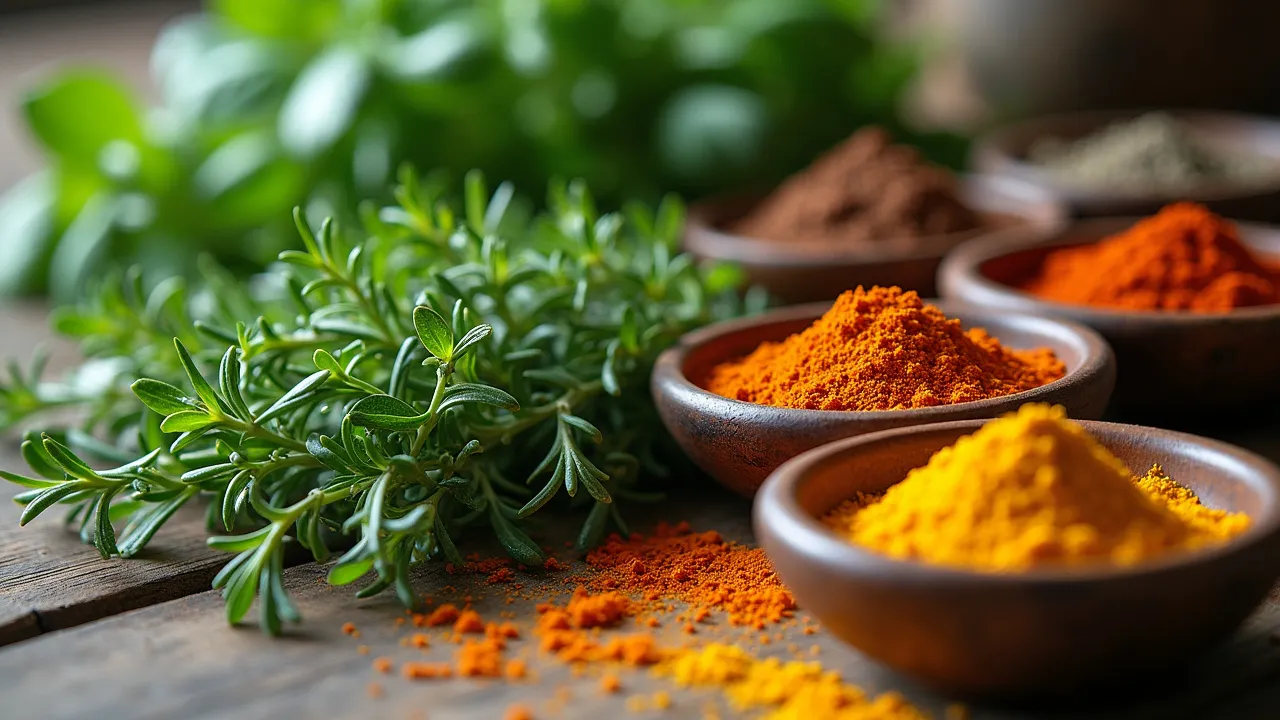
Celebrate National Herbs and Spices Day on June 10th by exploring the rich history, health benefits, and global culinary uses of herbs and spices. Discover how to incorporate these flavor powerhouses into your daily cooking and wellness routines.
The Historical Origins & Evolutionary Journey
National Herbs and Spices Day, observed annually on June 10th, honors the integral role of herbs and spices in human civilization. While the exact origins of this observance are unclear, it is thought to have emerged in the early 2000s as part of a broader movement to promote natural, flavorful cooking and holistic wellness. The day encourages people to explore the vast array of herbs and spices beyond salt and pepper, highlighting their culinary, medicinal, and economic significance.
The Foundational Catalyst
Herbs and spices have been used for thousands of years. Ancient Egyptians employed cumin and coriander in cooking and embalming, while Ayurvedic medicine in India relied on turmeric, ginger, and cardamom. The spice trade drove global exploration, with Europeans seeking routes to the East for cinnamon, cloves, and nutmeg. National Herbs and Spices Day taps into this rich heritage, encouraging modern use of these ancient treasures.
The Legislative/Official Adoption
Unlike many food holidays, National Herbs and Spices Day is not federally proclaimed. It gained traction through food bloggers, culinary schools, and herb societies. The International Herb Association and American Spice Trade Association have unofficially supported the day through educational campaigns, but no formal legislation exists.
Modern Global Legacy
Today, the day is celebrated by home cooks, chefs, and wellness advocates worldwide. Social media buzzes with recipe shares, and farmers' markets feature herb and spice tastings. The observance aligns with growing interest in plant-based eating, sustainable farming, and functional foods.
How to Celebrate National Herbs and Spices Day
Celebrating National Herbs and Spices Day can be as simple as adding a new spice to your meal or as elaborate as hosting a themed dinner party. Here is a global guide to embracing the day:
For Individuals and Families
- Start a windowsill herb garden: Grow basil, mint, or chives in small pots.
- Spice swap: Exchange a spice blend with a friend (e.g., garam masala vs. za'atar).
- Cook a heritage recipe: Prepare a dish that uses herbs and spices from your ancestry, like Italian pesto or Moroccan ras el hanout.
For Schools and Organizations
- Organize a "spice tasting" station where students sample cinnamon, cumin, and paprika.
- Hold a cooking contest featuring herbs and spices as key ingredients.
- Invite a local herbalist to give a talk on medicinal uses.
Corporate and Social Traditions
Companies can host a potluck focusing on spiced dishes, or provide employees with a small herb plant as a gift. Restaurants often create special menus, like a "Spice Trail" prix-fixe dinner featuring dishes from different continents.
Celebrations Around the World
- India: While not official, many Indians use the day to showcase regional spice blends like sambar powder and panch phoron.
- Middle East: Families prepare large meals with za'atar, sumac, and cardamom coffee.
- Caribbean: Jerk seasoning takes center stage, with community cookouts.
- United States: National chains like Penzeys Spices offer discounts, and home cooks share #HerbsAndSpicesDay posts.
Health Benefits and Medicinal Uses
Many herbs and spices are packed with antioxidants, anti-inflammatory compounds, and other bioactive substances. National Herbs and Spices Day is an ideal time to learn about their health-promoting properties.
Anti-Inflammatory Powerhouses
Turmeric contains curcumin, which has been studied for its role in reducing chronic inflammation. Ginger is similarly effective for nausea and joint pain. Garlic and onions contain allicin, known for immune support.
Digestive Aid
Herbs like peppermint, fennel, and ginger have long been used to soothe digestive issues. Spices like cumin and coriander can stimulate enzyme production.
Heart Health and Metabolism
Cinnamon may help regulate blood sugar levels. Cayenne pepper's capsaicin boosts metabolism and can aid weight management. Basil and oregano are rich in vitamin K and iron.
How to Incorporate
- Add a pinch of cinnamon to morning coffee or oatmeal.
- Use turmeric in soups and stews (add black pepper for absorption).
- Drink ginger tea after meals.
- Season vegetables with rosemary and thyme.
Culinary Traditions Across Cultures
Every culture has its signature herbs and spices that define its cuisine. National Herbs and Spices Day celebrates this diversity.
Asian Palates
Thai cuisine uses lemongrass, galangal, and kaffir lime. Indian dishes rely on complex blends like curry powder and garam masala. Japanese cooking highlights shiso and wasabi.
European Herbs
The Mediterranean basin excels with basil, oregano, and saffron. French cuisine incorporates tarragon, chervil, and herbes de Provence. Northern European countries use dill, caraway, and juniper berries.
African and Middle Eastern Spices
North African tagines feature cinnamon, ginger, and saffron. Ethiopian cuisine uses berbere (a blend of chili, fenugreek, and cardamom). Middle Eastern tables hold za'atar and sumac.
American Innovations
New World spices like chili peppers and vanilla transformed global cooking. Today, American chefs experiment with togarashi (Japanese seven-spice) and baharat (Middle Eastern blend).
Sustainability and Ethical Sourcing
As demand for herbs and spices grows, so do concerns about environmental impact and labor practices. National Herbs and Spices Day is a chance to support sustainable sourcing.
Fair Trade Spices
Many spices, especially vanilla, cinnamon, and black pepper, are grown in developing nations. Look for Fair Trade Certified or direct trade options to ensure farmers receive fair wages.
Organic and Regenerative Farming
Organic herbs and spices avoid synthetic pesticides. Regenerative practices improve soil health and biodiversity. Local farmers' markets often sell fresh, pesticide-free herbs.
Reducing Waste
Buy whole spices and grind them at home using a mortar and pestle or grinder. This maximizes freshness and reduces packaging. Store spices in airtight containers away from light and heat.
Herbs and Spices in Modern Science and Innovation
Scientific research continues to unveil new applications for herbs and spices beyond the kitchen.
Food Preservation
Spices like cloves, cinnamon, and oregano have antimicrobial properties that can extend the shelf life of foods naturally, reducing reliance on synthetic preservatives.
Cosmetics and Skincare
Turmeric is used in face masks for its anti-inflammatory effects. Rosemary extract is added to shampoos for hair growth. Lavender and chamomile feature in calming lotions.
Aromatherapy
Essential oils derived from herbs and spices (peppermint, eucalyptus, clove) are widely used for stress relief and respiratory health.
Key Takeaways
- Spices are not just flavorings; they have functional benefits.
- Innovations in encapsulation and extraction are making spice compounds more bioavailable.
- The global herb and spice market is projected to exceed $20 billion by 2028.
Historical Timeline
Ancient Egyptians use cumin, coriander, and garlic in cooking and embalming rituals, marking one of the earliest recorded uses of spices.
The Silk Road trade route facilitates the exchange of spices like cinnamon and pepper between Asia and Europe, transforming global cuisine.
Christopher Columbus discovers chili peppers in the Americas, introducing a new spice that would revolutionize cuisines worldwide.
European spice monopolies (Dutch East India Company, British East India Company) dominate trade, leading to colonial expansion and wars.
Post-World War II prosperity and travel increase demand for international cuisines, popularizing spices like oregano and paprika in American kitchens.
National Herbs and Spices Day likely originates from food enthusiasts and herb societies, with June 10th chosen arbitrarily to align with growing season.
The 'spice girl' trend (turmeric lattes, chili chocolate) emerges, driving a surge in gourmet spice sales.
During the COVID-19 pandemic, home cooking and interest in functional spices (ginger, turmeric) skyrocket, boosting the observance's popularity.