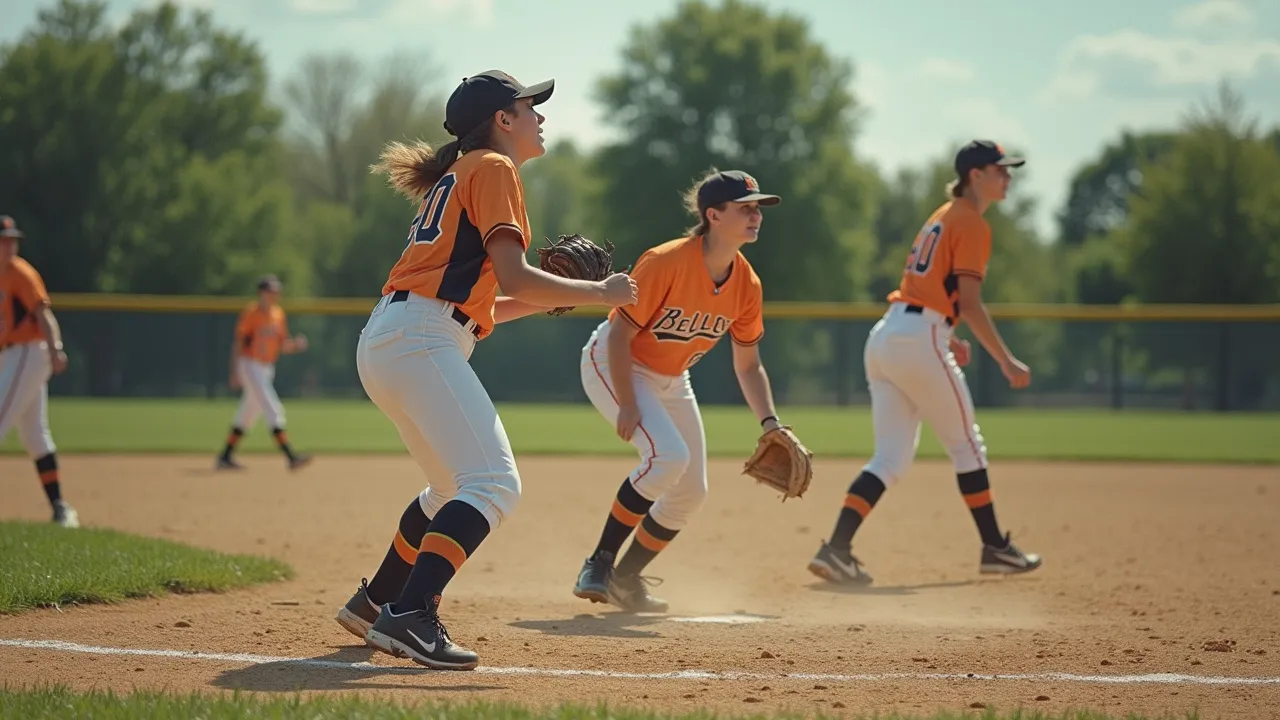
Celebrated on September 11th, Women's Baseball Day honors the history, achievements, and growing participation of women in baseball. It promotes equality, inspires future generations, and recognizes pioneers in the sport.
The Historical Origins & Evolutionary Journey
Women's Baseball Day, observed annually on September 11th, is a celebration of the longstanding and often overlooked history of women in baseball. While baseball has been considered America's pastime, women have been part of the sport since its earliest days, facing barriers but also achieving remarkable milestones. This day was established to recognize their contributions, promote gender equality, and encourage girls and women to participate in baseball at all levels.
The Foundational Catalyst
The modern push for a dedicated day began in the early 2000s as women's baseball organizations grew worldwide. The International Women's Baseball Center (IWBC) spearheaded the initiative to create a formal day of recognition. After years of advocacy, the first official Women's Baseball Day was celebrated in 2016, with events across the United States, Canada, Japan, and other nations. The date September 11th was chosen to honor the All-American Girls Professional Baseball League (AAGPBL) which began play during World War II and symbolized women's resilience.
The Legislative / Official Adoption
In 2016, the New York State Senate passed a resolution officially proclaiming September 11th as Women's Baseball Day in the state. Similar resolutions have since been adopted in other states and municipalities. The day gained broader recognition through partnerships with the Women's Baseball World Cup and the Baseball for All organization, which promotes youth participation. Today, it is recognized globally as a day to celebrate the past, present, and future of women in baseball.
Modern Global Legacy
Women's Baseball Day now features tournaments, clinics, educational panels, and social media campaigns. It coincides with the Women's Baseball World Cup years and has helped increase visibility for leagues like the Japanese Women's Baseball League and the Australian Women's Baseball League. The day also serves as a platform to address ongoing challenges, such as the lack of professional opportunities for women in baseball beyond the AAGPBL legacy. By highlighting role models like Justine Siegal (first woman to pitch batting practice for an MLB team) and Megan Smith (coach in the Houston Astros system), the day inspires a new generation.
How to Celebrate Women's Baseball Day
Women's Baseball Day offers numerous ways to honor and advance the sport. Whether you're an individual, school, or organization, here are actionable celebration strategies:
For Individuals and Families
- Attend a women's baseball game - Check local college or amateur leagues for games on or near September 11th.
- Host a backyard baseball game - Gather friends and family for a casual, inclusive game celebrating women in baseball.
- Watch a documentary or read a book - Explore stories like 'A League of Their Own' or 'Women in Baseball: The Forgotten History'.
- Share on social media - Use hashtags #WomensBaseballDay and #GirlsPlayBaseball to spread awareness.
For Schools and Youth Programs
- Organize a baseball clinic - Invite female baseball players to teach skills and share experiences.
- Classroom lessons - Incorporate history of women in baseball into physical education or social studies.
- Host a film screening - Show 'A League of Their Own' followed by a discussion on gender equality in sports.
For Organizations and Leagues
- Hold a tournament or exhibition game - Feature women's baseball teams from different age groups.
- Recognize pioneers - Honor local women who have contributed to baseball with awards or ceremonies.
- Fundraise for women's baseball programs - Partner with groups like Baseball for All to support scholarships and equipment.
Global Variations
In Japan, Women's Baseball Day often includes matches between corporate women's teams and visits from stars of the Japanese Women's Baseball League. In Australia, local clubs host 'Come and Try' days for girls. In Canada, the day is marked by inter-provincial tournaments. Each region adapts the celebration to its unique baseball culture while sharing the common goal of promoting women's participation.
The Global Impact on Women's Sports
Women's Baseball Day has catalyzed a broader movement for gender equality in sports. Its impact extends beyond the diamond, influencing policies, media representation, and youth participation worldwide.
Breaking Barriers in Professional Baseball
Since the first observance, more women have been hired in coaching and front-office roles in Major League Baseball (MLB). Kim Ng became the first female general manager in MLB history (Miami Marlins, 2020), while Alyssa Nakken became the first on-field female coach (San Francisco Giants, 2020). These milestones are celebrated on Women's Baseball Day, showing that the sport is evolving.
International Growth of Women's Leagues
The day highlights the expansion of women's baseball internationally. The Women's Baseball World Cup (inaugurated in 2004) has grown to include teams from over a dozen countries. Japan has dominated, winning multiple titles, but countries like Canada, USA, Australia, and Taiwan have developed strong programs. Women's Baseball Day helps fund these programs through awareness and fundraising.
Media and Cultural Shift
Prior to 2016, media coverage of women's baseball was sparse. Now, major sports networks and print outlets run features on September 11th. Social media campaigns like #WomenInBaseball trend annually, amplifying stories of players and pioneers. This visibility encourages young girls to see baseball as a viable sport, countering the narrative that it is exclusively for boys.
Key Themes & Social Relevance
Women's Baseball Day is not just about sports; it embodies themes of empowerment, equality, history, and community. These themes resonate across society and drive the day's significance.
Gender Equality in Athletics
The day underscores the ongoing struggle for equal opportunities in sports. Women's baseball has been historically marginalized compared to softball, but advocates argue that baseball and softball are distinct sports. Women's Baseball Day pushes for equal access to baseball at the youth, high school, and professional levels.
Historical Recognition
The day corrects a historical oversight. The All-American Girls Professional Baseball League (AAGPBL) operated from 1943 to 1954 and drew millions of fans, yet its players were largely forgotten until the 1992 film 'A League of Their Own'. Women's Baseball Day ensures these pioneers are remembered and their legacy continues.
Community Building
Local events foster community pride and connections across generations. Many events feature former AAGPBL players (some now in their 90s) who share firsthand stories. This intergenerational exchange strengthens the ties between past and present, inspiring younger participants.
Industry Transformations & Economic Impact
Women's Baseball Day has spurred economic and structural changes within the baseball industry.
Merchandising and Sponsorship
Apparel companies now release limited-edition women's baseball attire for September 11th. Brands like Nike, Under Armour, and Rawlings have sponsored events and pledged support for women's baseball programs. This commercial interest validates the market for women's baseball, leading to more investment.
Youth Program Expansion
Organizations like Baseball for All report increased enrollment in girls baseball programs around the date. Registration spikes of 15-20% have been observed after Women's Baseball Day events. This growth has led to the creation of new leagues and teams, particularly in regions previously lacking girls baseball options.
Media Rights and Broadcasting
The day has prompted streaming services like ESPN+ and YouTube to broadcast women's baseball games. In 2023, a Women's Baseball Day game between the USA and Japan aired live, drawing over 100,000 viewers. This exposure attracts advertisers and builds a fan base for women's professional baseball.
Educational & Inspirational Outreach
Beyond the field, Women's Baseball Day serves as an educational platform.
School Programs and Curriculum
Teachers integrate Women's Baseball Day into lessons on American history, gender studies, and physical education. They highlight figures like Effa Manley (first woman inducted into the Baseball Hall of Fame as an executive) and Mo'ne Davis (Little League World Series star).
Mentorship and Role Models
Many events pair young female baseball players with collegiate or national team players. Mentorship programs like Girls Who Play Baseball offer career guidance and skill development. The day emphasizes that baseball pathways exist for women, from amateur to professional coaching and administration.
Scholarship Opportunities
Several organizations announce scholarships on September 11th for girls pursuing baseball. The IWBC Scholarship Fund awards thousands of dollars to help cover travel, equipment, and training costs. This financial support reduces barriers to entry and retention in the sport.
Historical Timeline
The first recorded women's baseball game takes place at Vassar College, though it was considered scandalous at the time.
The All-American Girls Professional Baseball League (AAGPBL) begins, providing women with professional baseball opportunities during WWII.
The AAGPBL disbands after 12 seasons, leaving a void in women's professional baseball.
Title IX is fully implemented, leading to increased female participation in sports, but baseball remains predominantly male.
The first Women's Baseball World Series is held in Denver, Colorado, featuring teams from the US and Canada.
The first Women's Baseball World Cup is organized by the International Baseball Federation (IBAF). Japan wins the inaugural title.
Justine Siegal becomes the first woman to pitch batting practice for an MLB team (Cleveland Indians).
New York State officially proclaims September 11th as Women's Baseball Day, marking the first official recognition of the observance.
Kim Ng is named general manager of the Miami Marlins, becoming the first female GM in MLB history.
Women's Baseball Day gains international recognition, with events in over 20 countries and social media campaigns reaching millions.