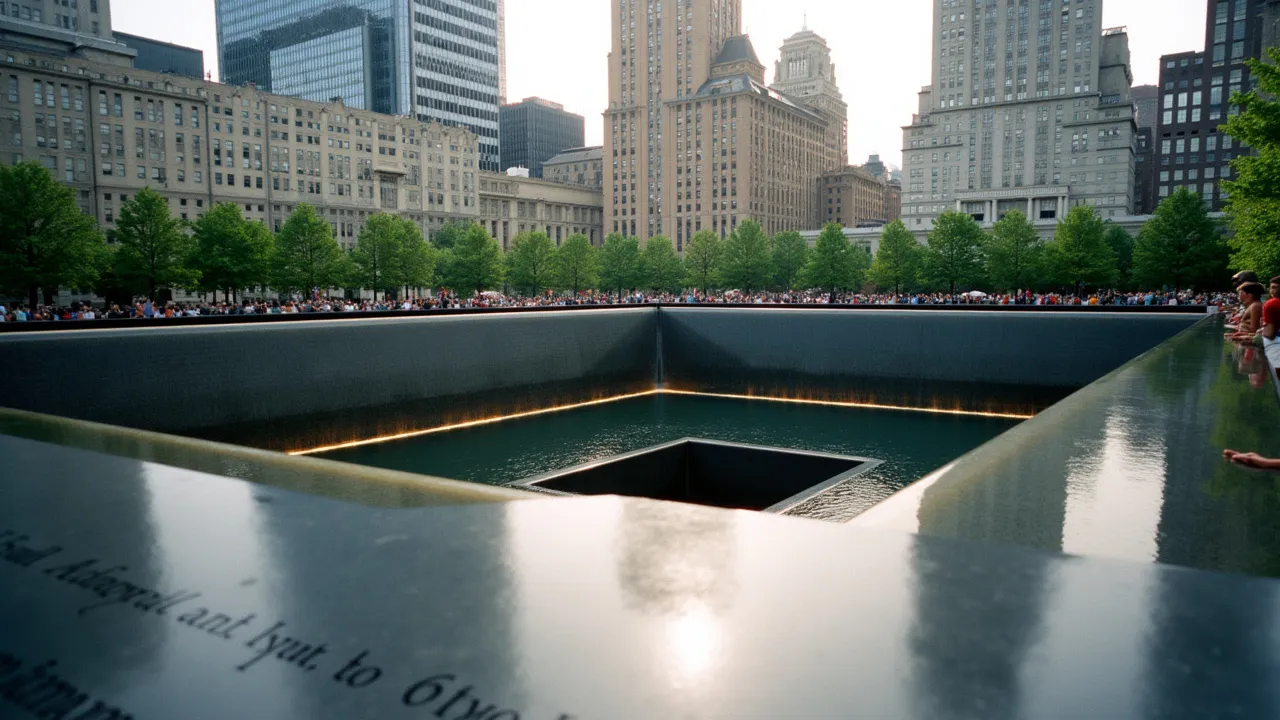
Patriot Day, observed on September 11th, honors the victims of the 2001 terrorist attacks. It is a day of remembrance, service, and education to ensure the sacrifices are never forgotten.
The Historical Origins & Evolutionary Journey
Patriot Day, observed annually on September 11th, was established to commemorate the nearly 3,000 lives lost in the terrorist attacks of September 11, 2001. The day has evolved from a solemn remembrance into a nationwide call to service.
The Foundational Catalyst
The attacks on September 11, 2001, orchestrated by al-Qaeda, struck the World Trade Center in New York City, the Pentagon in Arlington, Virginia, and a field in Shanksville, Pennsylvania. The coordinated hijackings led to the collapse of the Twin Towers, severe damage to the Pentagon, and the heroic sacrifice of passengers on United Flight 93.
- World Trade Center: 2,606 people perished, including 343 firefighters and 71 law enforcement officers.
- Pentagon: 125 military and civilian personnel died.
- Flight 93: 40 passengers and crew died after fighting back.
The attacks fundamentally altered U.S. foreign policy, national security, and daily life, sparking the global War on Terror.
The Legislative/Official Adoption
On December 18, 2001, Congress passed a joint resolution (Public Law 107-89) designating September 11th as Patriot Day. President George W. Bush signed it into law, calling on Americans to observe the day with flags at half-staff, a moment of silence at 8:46 AM EDT (the time the first plane struck), and appropriate ceremonies. The first official observance occurred in 2002.
In 2009, President Barack Obama signed the Edward M. Kennedy Serve America Act, which expanded Patriot Day to also be recognized as the September 11th National Day of Service and Remembrance, encouraging volunteerism and charitable acts.
Modern Global Legacy
Patriot Day is primarily a U.S. observance, but its impact resonates worldwide. Many countries hold memorials, and the day has become a symbol of resilience and unity. The 9/11 Memorial & Museum in New York City serves as a global pilgrimage site. Over the years, the focus has shifted from grief to service, with millions of Americans volunteering annually as a tribute to the victims and heroes.
How to Celebrate Patriot Day
Patriot Day is a day of remembrance, reflection, and action. Here are definitive ways individuals, schools, and organizations can observe the day meaningfully, respecting its solemnity while channeling grief into positive impact.
For Individuals
- Moment of Silence: Pause at 8:46 AM EDT to honor the first moment of impact. A national moment of silence is observed across many public spaces.
- Fly the Flag: Display the U.S. flag at half-staff from sunrise to sunset. Ensure proper flag etiquette: hoist to peak briefly before lowering to half-staff.
- Volunteer: Participate in a service project through platforms like 911day.org or local charities. In 2023, over 30 million Americans volunteered on 9/11.
- Visit a Memorial: Attend local memorials or virtually tour the 9/11 Memorial & Museum (free for families of victims).
- Educate Yourself: Read survivor accounts or watch documentaries to understand the day's impact.
For Schools
- Age-Appropriate Lessons: Teach about 9/11 using curricula from the 9/11 Memorial & Museum. Focus on heroism, resilience, and civic responsibility.
- Service Projects: Organize food drives, letter-writing campaigns for first responders, or park clean-ups.
- Morning Announcements: Include a moment of silence and brief educational facts.
- Art Projects: Create murals or poems expressing unity and remembrance.
For Organizations and Corporations
- Encourage Time Off: Allow employees to volunteer during work hours. Many companies partner with non-profits for group service.
- Memorial Events: Host a brief ceremony with a minute of silence, speaker from a veterans' group, or wreath-laying.
- Fundraising: Match employee donations to first responder charities or 9/11-related foundations.
- Social Media: Share official hashtags like #PatriotDay or #NeverForget, but avoid commercializing the tragedy.
Globally, observances vary. In the UK, memorials at St. Paul's Cathedral or the American Cemetery honor British victims. In Canada, the 'Canadian Remembers' program acknowledges the 24 Canadians killed. In Japan, peace memorials draw parallels to the 2011 earthquake. The core practices—solemn reflection and active service—are universal.
Global Impact of the 9/11 Attacks
The September 11, 2001 attacks reshaped international relations, security protocols, and societal norms. Patriot Day serves as an annual reminder of these far-reaching consequences.
Shifts in Security and Travel
The attacks led to the creation of the Department of Homeland Security in 2002 and the Transportation Security Administration (TSA). Airport security became globally stringent, with shoe removal, liquid bans, and full-body scanners becoming standard. Countries worldwide adopted similar counterterrorism measures, altering air travel forever.
Foreign Policy and Military Engagements
The U.S. launched the War on Terror, invading Afghanistan (2001) to dismantle al-Qaeda and Iraq (2003) under pretext of weapons of mass destruction. These conflicts lasted decades, costing over 7,000 U.S. service members' lives and trillions of dollars. The resulting instability in the Middle East continues to affect global geopolitics.
Societal and Cultural Shifts
Islamophobia and racial profiling increased significantly in Western countries. Simultaneously, interfaith dialogue and community bridging efforts emerged. The attacks also catalyzed the rapid expansion of surveillance programs and government data collection, sparking debates on privacy versus security.
Economic Repercussions
The attacks caused an estimated $3 trillion in economic damage, including property loss, stock market declines, and increased security costs. The insurance industry changed forever, with terrorism exclusions becoming standard. Wall Street reopened after four days, but the S&P 500 dropped 14% in the week following.
Cultural Remembrance Traditions
Patriot Day has spawned unique traditions that blend grief, honor, and collective memory. These rituals help communities process trauma and ensure future generations understand the day's significance.
The Tribute in Light
Every year on the evening of September 11, two powerful beams of light shoot 4 miles into the sky above Lower Manhattan, replicating the former Twin Towers. The lights are visible from over 60 miles away and serve as a poignant memorial. The installation, managed by the Municipal Art Society, appeared annually since 2002.
Reading of Names
At the 9/11 Memorial Plaza in New York, family members read aloud the names of each victim. This solemn ceremony takes four hours and is punctuated by six moments of silence marking the times of the attacks and collapse. Similar readings occur at the Pentagon and in Shanksville.
Flags and Bunting
Throughout the country, American flags are flown at half-staff. Firehouses and police stations often display black bunting. Many civilians place small flags on their lawns or wear lapel pins with the first responder insignia.
Digital Memorials
The 9/11 Memorial & Museum hosts a virtual memorial where visitors can post tributes. Social media platforms encourage sharing stories using #NeverForget. In 2021, the museum launched an interactive timeline allowing users to see the sequence of events in real-time.
Internationally, the '9/11 Peace Quilt' project stitched together panels from 50 countries. In London, a memorial garden in Grosvenor Square contains a piece of steel from the World Trade Center.
The Evolution of National Security Post-9/11
Patriot Day is intrinsically linked to the sweeping security transformations that followed the attacks. The day prompts reflection on the delicate balance between liberty and protection.
Creation of the Department of Homeland Security
In November 2002, the U.S. government consolidated 22 agencies into the Department of Homeland Security (DHS), the largest federal reorganization since the Department of Defense. DHS oversees border security, immigration, customs, and disaster response.
The USA PATRIOT Act
Signed into law on October 26, 2001, the USA PATRIOT Act expanded surveillance powers, including roving wiretaps, access to business records, and secret searches. Critics argue it infringes on civil liberties, while supporters claim it has thwarted numerous terror plots. The Act has been amended and reauthorized several times.
Intelligence Reform
The Intelligence Reform and Terrorism Prevention Act of 2004 created the Director of National Intelligence to coordinate among 17 agencies. The formation of the National Counterterrorism Center (NCTC) aimed to centralize threat analysis.
Infrastructure and Emergency Response
The attacks exposed gaps in first responder communication. The First Responder Network Authority (FirstNet), established in 2012, created a dedicated broadband network for police, fire, and EMS. Building codes also changed to increase structural resilience against explosions.
Globally, the UN Security Council adopted Resolution 1373, requiring all states to criminalize terrorism financing. The Financial Action Task Force (FATF) tightened anti-money laundering standards.
Educational Dimensions: 9/11 in Schools and Media
For generations born after 2001, September 11 is historical—not lived. Patriot Day ensures that young people comprehend the event's significance through curricula, literature, and media portrayals.
School Curricula
The 9/11 Memorial & Museum offers free lesson plans for grades 3-12, covering topics from terrorism to heroism. Many states mandate teaching about 9/11. For example, New Jersey requires at least one class period of age-appropriate instruction. Lessons often use primary sources like phone messages from victims or interviews with first responders.
Documentary and Film Legacy
Films such as 'United 93' (2006), 'World Trade Center' (2006), and the documentary series '9/11: Inside the Twin Towers' (2021) have shaped public memory. The footage by Naudet brothers, capturing the first plane impact and the collapse, remains among the most significant historical records.
Books and Oral Histories
Pivotal texts include 'The Looming Tower' by Lawrence Wright (2006) detailing the rise of al-Qaeda, and '102 Minutes' by Jim Dwyer and Kevin Flynn (2005) chronicling the struggle inside the towers. The 9/11 Commission Report (2004) remains a definitive government account.
Museums and Exhibits
The National 9/11 Memorial & Museum in New York opened in 2014 and attracts millions of visitors yearly. The Pentagon Memorial and the Flight 93 National Memorial in Shanksville offer immersive experiences. In 2018, the '9/11: The World of Steve McCurry' exhibition paired images from around the world with the aftermath.
Media coverage on Patriot Day itself tends to balance remembrance with forward-looking stories of resilience and service, avoiding sensationalism.
The Spirit of Service and Volunteerism
Since 2009, the September 11th National Day of Service and Remembrance has transformed Patriot Day from a solely mournful occasion into one of active civic contribution. This shift honors the heroism of first responders and the unsung acts of kindness that followed the attacks.
Origins as a Day of Service
In 2002, the nonprofit '9/11 Day' launched to encourage charitable activity. In 2009, the Serve America Act officially recognized the day. The Corporation for National and Community Service (now AmeriCorps) coordinates projects nationwide.
Scale of Participation
In 2022, over 35 million Americans participated in service projects, from food packaging to disaster preparedness drills. Notable initiatives include '9/11 Walk for Heroes' and 'MyGoodDeed', where participants pledge to perform a good deed in honor of a victim.
Corporate and Community Involvement
Companies like AT&T and UPS sponsor large-scale volunteer events. Communities organize blood drives, school supply collections, and park restorations. In 2020, amid the COVID-19 pandemic, service focused on mask-making and supporting healthcare workers.
Global Reach
The day of service has inspired similar movements abroad. In the UK, '9/11 Day of Service' sees volunteers at food banks. In Australia, the 'September 11 Foundation' promotes community resilience. The concept of honoring tragedy through proactive help has become a powerful universal model.
Patriot Day thus serves as a dual purpose: remembering the past while building a better future through collective action.
Historical Timeline
Terrorist attacks on the World Trade Center, Pentagon, and United Flight 93, killing 2,977 people.
President George W. Bush signs joint resolution designating September 11 as Patriot Day.
First official observance of Patriot Day with flags at half-staff, moments of silence, and memorial ceremonies.
President Barack Obama signs the Serve America Act, officially declaring September 11 as the National Day of Service and Remembrance.
The National September 11 Memorial opens at Ground Zero on the 10th anniversary.
The 9/11 Memorial Museum opens to the public, preserving artifacts and oral histories.
20th anniversary of the attacks; the Tribute in Light is expanded with 88 lights, and President Biden speaks at all three memorial sites.