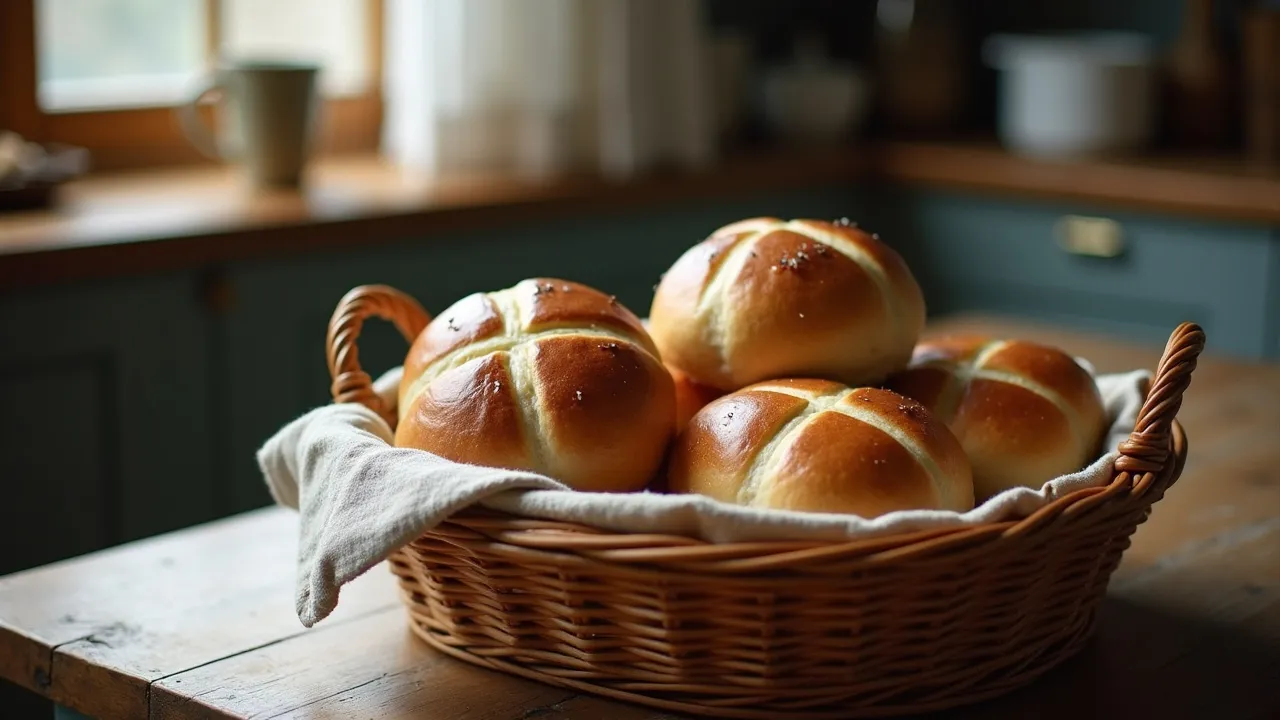
National Hot Cross Bun Day on September 11th honors the spiced, fruit-filled bun marked with a cross. Discover its ancient origins, global variations, and modern celebrations.
The Historical Origins & Evolutionary Journey
National Hot Cross Bun Day, observed on September 11th, celebrates a pastry steeped in centuries of history, religious symbolism, and culinary evolution. Though often associated with Easter, this day honors the bun year-round, acknowledging its journey from ancient ritual bread to modern supermarket staple.
The Foundational Catalyst
The origins of the hot cross bun trace back to pagan celebrations of the goddess Eostre, where buns marked with a cross symbolized the four quarters of the moon and the rebirth of spring. Early Christian missionaries adapted this tradition, associating the cross with Christ's crucifixion. By the 12th century, Anglican monks were baking spiced buns marked with a cross for Good Friday, believing they had healing powers. A London street cry from 1733 mentions "One a penny, two a penny, hot cross buns," indicating their popularity among the working class.
The Legislative & Official Adoption
During the reign of Elizabeth I, a law prohibited the sale of hot cross buns except on Good Friday, Christmas, and burials, to keep them sacred. This restriction persisted for centuries, gradually relaxing in the Victorian era as bakeries produced them year-round. The modern national observance emerged in the early 2000s, championed by baking associations and food holiday calendars, to promote the bun's heritage and encourage consumption beyond Lent.
Modern Global Legacy
Today, hot cross buns are enjoyed globally, with regional twists such as chocolate chips in Australia, candied fruit in the UK, and savory versions in the Caribbean. National Hot Cross Bun Day on September 11th serves as a secular celebration, emphasizing the bun's cultural impact and the craftsmanship of bakers worldwide. It also highlights the evolution of spice blends—cinnamon, nutmeg, and allspice—that define the bun's signature aroma.
How to Celebrate National Hot Cross Bun Day
Whether you are a home baker, a history enthusiast, or a foodie, National Hot Cross Bun Day offers diverse ways to participate. Below are actionable ideas categorized by setting and culture.
For Individuals & Families
- Bake from scratch: Follow a traditional recipe using flour, yeast, dried fruit, and spices. For a shortcut, use refrigerated biscuit dough with added currants and a flour paste cross.
- Host a tasting party: Sample store-bought varieties from different bakeries—compare classic, chocolate, and gluten-free options.
- Learn the folklore: Share with children the stories of buns that never spoil or cure ailments, as medieval legend claims.
For Schools & Educational Groups
- History lesson: Teach students about the bun's pagan and Christian roots, linking to broader cultural adaptation.
- Cooking class: Make simple yeast dough in class; discuss the cross as a symbol of protection.
- Art project: Design bun labels or posters explaining the day's significance.
For Organizations & Businesses
- Bakery promotions: Offer discounts on hot cross buns; create a limited-edition flavor (e.g., pumpkin spice for September).
- Workplace treat day: Supply buns for staff; include a trivia card about the bun's history.
- Charity bake-off: Host a competition among employees, with proceeds to local food banks.
Regional Variations & Respectful Celebrations
In the UK, many still observe Good Friday traditions by attending church and eating buns; on September 11th, focus on secular enjoyment. In Australia, where hot cross buns are sold from December, the day encourages trying artisan versions with dried mango or macadamia nuts. In the Caribbean, savory buns with cheese and herbs are common; savor them with tea or coffee. Always respect local customs—if in a region that considers the bun strictly religious, frame the day as cultural appreciation.
Cultural and Religious Significance Across Eras
Hot cross buns are a rare culinary artifact that bridges pagan, Christian, and secular worlds. Their cross marking predates Christianity, appearing on cakes in ancient Greece and Rome as symbols of the sun or luck. The Saxon goddess Eostre’s rabbit and egg motifs later merged with the Christian cross, creating a layered icon.
Pagan Roots
The Saxons baked buns marked with a cross during spring festivals to honor Eostre, celebrating fertility and the equinox. The cross represented the four seasons or the sun's rays. Early Christians strategically repurposed this symbol, making the cross a tool for conversion.
Christian Adoption
By the 12th century, monks at St. Alban's Abbey distributed buns to the poor on Good Friday. The cross was cut into the dough with a knife, later replaced by a simple flour and water paste. Superstitions grew—buns baked on Good Friday would not mold, and sailors took them for protection from shipwrecks.
Secular Modern Day
Today, the religious connotations are often downplayed in favor of the bun's sensory appeal: the warm spices, chewy fruit, and soft texture. National Hot Cross Bun Day on September 11th avoids the sacred Easter context, allowing inclusive celebration by people of all faiths.
Global Variations: Regional Hot Cross Buns
While the classic English version uses currants, mixed peel, and a sugar glaze, bakers worldwide have reinvented the bun. Below is a survey of notable variations.
- United Kingdom: Traditional recipe with a flour paste cross, often topped with a sugar syrup glaze. Served toasted with butter.
- Australia & New Zealand: Popular year-round, with chocolate chips or dried apricots. The cross is often made from chocolate pastry.
- United States: Often sweeter, with added cinnamon and raisins. Some commercial versions lack the cross entirely.
- Caribbean: Savory versions with cheese, herbs, and scotch bonnet peppers; cross optional.
- South Africa: Called "hot cross buns" but often made with yeast dough and filled with mincemeat or jam.
- India: Under British influence, some bakeries produce spiced buns with cardamom and saffron, marked with a cross.
Modern Fusion Trends
Artisan bakers now offer gluten-free, vegan, and paleo versions using almond flour, coconut oil, and dates. Others experiment with savory fillings like bacon and cheddar, or dessert twists such as matcha and white chocolate. The cross itself evolves—stenciled powdered sugar, frosting, or even colored icing for holidays.
Baking the Perfect Hot Cross Bun: Techniques & Recipes
Mastering the hot cross bun requires understanding dough hydration, spice balance, and the iconic cross. Below is a step-by-step guide.
Essential Ingredients
- Flour: Strong bread flour (12-13% protein) for chewiness.
- Fat: Butter or margarine for tenderness.
- Liquid: Warm milk or water; scalded milk yields softer buns.
- Spices: Freshly ground cinnamon, nutmeg, allspice, and cloves. Some add mace or ginger.
- Fruit: Zante currants, raisins, sultanas, and candied orange/lemon peel.
Technique
- Sponge method: Activate yeast in warm milk with a pinch of sugar and a third of the flour. Let bubble for 15 minutes.
- Knead: Mix remaining flour, butter, spices, and fruit. Knead 10 minutes until smooth.
- First rise: Cover and let double in bulk (1 hour).
- Shape: Divide into 80g balls; place on greased tray, close together.
- Second rise: 30 minutes until puffy.
- Cross: Pipe a flour paste (50g flour, 60ml water) across each bun.
- Bake: 375°F (190°C) for 15-20 minutes, until golden.
- Glaze: Brush with warm apricot jam or syrup for shine.
Modern Adaptations
For a quicker version, use pre-made brioche dough and add currants. For vegan substitutes, use plant milk, margarine, and a flax egg. Gluten-free versions rely on a blend of rice, tapioca, and potato starches.
Health, Nutrition & Dietary Considerations
A classic hot cross bun (80g) contains approximately 250 calories, 5g protein, 8g fat, and 40g carbs, with 12g sugars from fruit. They provide small amounts of iron and B vitamins. However, commercial versions may have added sugars and preservatives.
Making Healthier Choices
Opt for whole wheat flour, reduce sugar to 30g per recipe, and use less fruit. Vegan and gluten-free alternatives can lower saturated fat or accommodate allergies. Many recipes now replace butter with coconut oil and milk with almond milk, maintaining texture while reducing lactose.
Allergen Concerns
Hot cross buns typically contain gluten, dairy, eggs, and sulfites (in dried fruit). Check labels for cross-contamination if purchasing. Homemade versions allow full control. For those with celiac disease, dedicated gluten-free bakeries often offer safe options.
Economic and Commercial Impact of Hot Cross Buns
In the UK alone, over 100 million hot cross buns are sold annually, with spending exceeding £50 million. The industry sees spikes at Easter, but National Hot Cross Bun Day in September is an emerging promotional opportunity. Supermarkets and artisan bakeries launch limited-edition flavors, driving competition. For instance, premium buns with Belgian chocolate or ruby chocolate appeal to younger demographics.
Supply Chain
Dried fruit suppliers, spice importers, and yeast producers benefit from bun demand. The pastry's relatively long shelf life (3-5 days) makes it a stable product. Bakeries often freeze buns to extend availability.
Marketing Trends
Social media campaigns featuring #NationalHotCrossBunDay encourage user-generated content. Brands partner with influencers for recipe videos. The day also boosts local bakeries, which often run workshops or tastings. Some charities sell buns for fundraising, linking the day to community causes.
Hot Cross Buns in Popular Culture and Folklore
The hot cross bun has inspired nursery rhymes, superstitions, and even literature. The famous "One a penny, two a penny" street cry dates to 1733 and appears in works by George Grossmith. In folklore, buns baked on Good Friday were believed to never mildew; sailors carried them to prevent shipwrecks. In Jamaica, buns are linked to the celebration of Good Friday as a public holiday. Today, they appear in TV series like "The Great British Bake Off" as a technical challenge, and in movies as symbols of English comfort food. The bun's cross has also been parodied in pop art, indicating its enduring cultural resonance.
Historical Timeline
Anglican monks at St. Alban's Abbey bake spiced buns marked with a cross for Good Friday distribution.
Queen Elizabeth I passes a law restricting the sale of hot cross buns to Good Friday, Christmas, and burials.
First printed reference to 'hot cross buns' appears in the street cry 'One a penny, two a penny'.
Victorian bakers begin selling hot cross buns year-round, ignoring earlier restrictions.
National Hot Cross Bun Day is informally established on September 11th, promoting year-round enjoyment.
Artisan and vegan/gluten-free hot cross buns surge in popularity, appearing in major retailers.
Global hot cross bun market reaches $500 million, with chocolate and savory variants leading innovation.