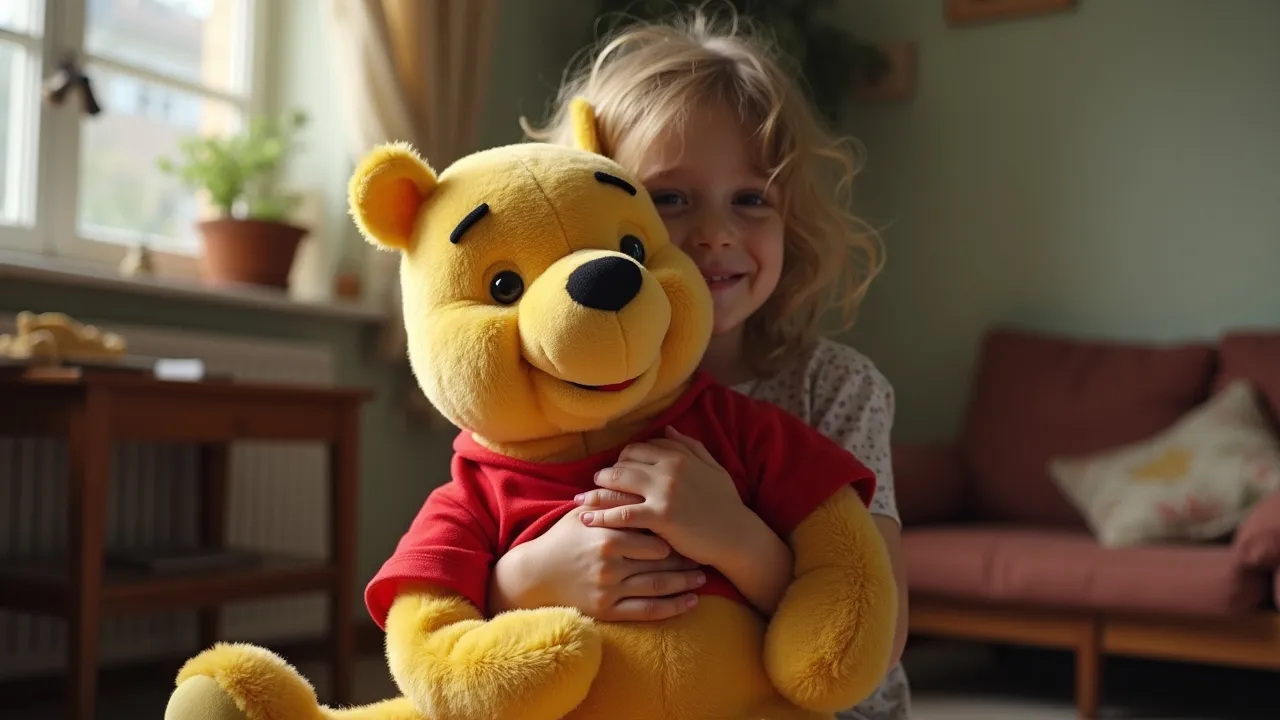
Winnie the Pooh Day is celebrated annually on January 18th, the birthday of author A.A. Milne. It honors the beloved honey-loving bear and promotes the joy of reading and friendship.
The Historical Origins & Evolutionary Journey
The Foundational Catalyst
Winnie the Pooh Day is observed on January 18th, the birthday of British author Alan Alexander Milne (1882–1956). The day traces its roots to the 1920s, when Milne wrote stories about his son Christopher Robin and his toy animals, including a teddy bear named Winnie-the-Pooh. The first collection of stories, Winnie-the-Pooh, was published in 1926, followed by The House at Pooh Corner in 1928. These books became instant classics, beloved for their gentle humor, charming illustrations by E.H. Shepard, and timeless themes of friendship and imagination.
The Real-Life Inspiration
The character Winnie-the-Pooh was named after a real Canadian black bear named Winnipeg (or Winnie), who lived at the London Zoo. The bear had been adopted by a Canadian soldier, Harry Colebourn, during World War I. Christopher Robin Milne visited the zoo and became so fond of Winnie that he named his own teddy bear after her.
The Legislative/Official Adoption
Although Winnie the Pooh Day was not officially proclaimed by any government, it grew organically through fan celebrations, library events, and eventually Disney's involvement. In 1961, Disney acquired the rights to the characters, and the animated shorts and feature films brought Pooh to a global audience. By the 1990s, schools and libraries began hosting annual storytimes on January 18th. In 2001, the day was formally recognized by the International Winnie the Pooh Society and UNESCO (as part of its calendar of observances), though the latter has no official holiday status.
Modern Global Legacy
Today, Winnie the Pooh Day is celebrated in over 50 countries, particularly in the UK, US, Canada, and Japan. The day emphasizes literacy, imagination, and the value of simple joys. The original manuscripts and illustrations are housed at the Victoria and Albert Museum in London, and the stuffed animals themselves reside at the New York Public Library, where they are displayed annually.
How to Celebrate Winnie the Pooh Day
Winnie the Pooh Day is a celebration of childhood wonder, friendship, and the joy of reading. Below are actionable ways individuals, schools, and organizations can participate.
For Individuals and Families
- Read a Pooh Story: Gather the family and read aloud from Winnie-the-Pooh or The House at Pooh Corner. Focus on classic chapters like 'In Which Pooh Goes Visiting and Gets Into a Tight Place'.
- Host a Teddy Bear Picnic: Prepare honey snacks (like toast with honey) and invite friends with their favorite stuffed animals. Use quotes from the book for decorations.
- Write a Pooh-Inspired Poem: Encourage children to write short 'hums' or poems a la Pooh's 'Hums of the Day' from the books.
- Watch a Disney Film: Screen the 1977 The Many Adventures of Winnie the Pooh or the 2011 Winnie the Pooh movie, both faithful to the spirit of the original.
For Schools and Libraries
- Storytime Events: Organize a reading hour with costumes (Pooh, Piglet, Eeyore, Tigger). Hand out honey-flavored treats.
- Art & Craft Workshops: Create Pooh stick puppets, hunny pots, or draw the Hundred Acre Wood map.
- Literacy Challenges: Launch a 'Read with Pooh' challenge, where children earn badges for reading Milne's books.
- Character Education Lessons: Discuss themes like friendship (Pooh & Piglet), perseverance (Eeyore), and kindness (Kanga & Roo).
Around the World
In the United Kingdom, the day is marked by special exhibitions at the Victoria and Albert Museum and the Ashdown Forest (the real-life Hundred Acre Wood). In Japan, Pooh is immensely popular; department stores host Pooh-themed cafes and distribute limited-edition merchandise. Canada honors the bear's origin with events at the Winnipeg zoo and in Colebourn’s hometown. In Australia, libraries often host wildlife talks linking Pooh to real bears. In France, 'Journée de Winnie l'Ourson' includes bilingual readings to promote language learning.
Global Impact and Cultural Significance
A Beloved Ambassador of Childhood
Winnie the Pooh transcends borders, languages, and generations. The character appears in over 50 languages, with translations that carefully preserve Milne's gentle wordplay. Pooh's philosophy – often quoted for its simplicity – has inspired self-help books, therapy programs, and even academic studies. The phrase 'just a little smackerel of something' has entered common parlance.
Pooh in Popular Culture
- Film and Television: Beyond Disney, Pooh has appeared in the Soviet-era animation series Vinni-Pukh (1969-1972), which is beloved in Russia.
- Merchandising: Pooh is one of the most merchandised characters globally, second only to Mickey Mouse.
- Political Symbolism: In China, Pooh-themed memes have been used as a form of protest, leading to bans on Pooh imagery – a testament to the character's subversive soft power.
Educational Initiatives
UNESCO has included Winnie the Pooh Day in its calendar to promote reading and literacy among youth. Many schools use the day to launch year-long character education programs. The Pooh stories are also used in bibliotherapy to help children navigate emotions like fear, sadness, and anxiety.
Literary Excellence: Milne's Mastery
The Art of Simple Storytelling
A.A. Milne was a successful playwright and novelist before he wrote for children. His language is deceptively simple, with layers of wit that appeal to adults. The stories are structured around character-based humor: Pooh's 'rumbly in his tumbly' hunger, Eeyore's gloominess, Tigger's bouncing energy. Milne also incorporated elements of Edwardian childhood, from nannies to nursery rhymes.
Illustrations by E.H. Shepard
Shepard's pen-and-ink drawings are iconic. He based the characters on actual stuffed animals owned by Christopher Robin Milne. The illustrations are minimalist yet expressive, using cross-hatching and line work that perfectly complements the text. Shepard's depiction of the Hundred Acre Wood was inspired by the Ashdown Forest in Sussex, England.
Enduring Appeal
Unlike many children's books from the 1920s, Milne's stories remain fresh because they focus on universal emotions: kindness, loyalty, courage, and the joy of simple pleasures. The books have never been out of print and are frequently adapted for radio, stage, and screen.
Themed Activities and Merchandise
Official Disney Products
Disney licenses a wide range of Winnie the Pooh merchandise, including plush toys, clothing, home décor, and stationery. On January 18th, many Disney Stores offer special discounts and limited-edition items, such as the 'Pooh Bear Day' pin. Online retailers like Amazon and Etsy also feature handcrafted Pooh-themed gifts, from custom illustrations to honey-flavored candles.
DIY Celebration Kits
Many libraries and community centers distribute free activity kits containing:
- Printable coloring pages of the Hundred Acre Wood
- Templates for 'Pooh Sticks' (a game played by dropping sticks off a bridge)
- Recipes for 'Hunny' cookies
- Copy of a Pooh quote for reflection
Schools often organize Pooh Parade where children dress up as their favorite character and march with signs promoting kindness.
Future of the Observance
Digital Engagement
With the rise of virtual events, many organizations host online Pooh storytimes via Zoom or YouTube. Social media campaigns use hashtags like #WinnieThePoohDay and #PoohDay to share memories, art, and readings. The official Winnie the Pooh Instagram account posts nostalgic content, including archival photos of Milne and Shepard.
Preservation of History
The original Winnie-the-Pooh stuffed animals (Pooh, Piglet, Tigger, Kanga, and Eeyore) are housed at the New York Public Library's flagship branch, where they are displayed in the Stephen A. Schwarzman Building. Each year on January 18th, the library offers special tours and a 'Bedtime Story' event for children. The Victoria and Albert Museum in London holds regular exhibitions of Milne's manuscripts and Shepard's artwork, often coinciding with the day.
As digital media evolves, the tradition of reading aloud remains at the heart of Winnie the Pooh Day, ensuring that new generations discover the magic of the Hundred Acre Wood.
Historical Timeline
A.A. Milne publishes 'Winnie-the-Pooh', a collection of stories about his son Christopher Robin's teddy bear and friends.
Milne publishes 'The House at Pooh Corner', introducing Tigger and the poignant final chapter that bids farewell to childhood.
The Walt Disney Company acquires the film and merchandise rights to Winnie the Pooh, launching a new era of global popularity.
Disney releases the animated short 'Winnie the Pooh and the Honey Tree', voiced by Sterling Holloway as Pooh.
Disney releases 'The Many Adventures of Winnie the Pooh', a compilation of the earlier shorts, which becomes a classic.
The original stuffed animals are donated to the New York Public Library, where they become a permanent exhibit.
Winnie the Pooh Day is formally recognized by UNESCO as a day to promote children's literacy and imagination.
Disney opens 'The Many Adventures of Winnie the Pooh' dark ride at Magic Kingdom, becoming a fan favorite.
Disney releases a new Winnie the Pooh feature film, hand-drawn in the classic style, to critical acclaim.
A.A. Milne's former home in London is granted blue plaque status, acknowledging his contribution to literature.