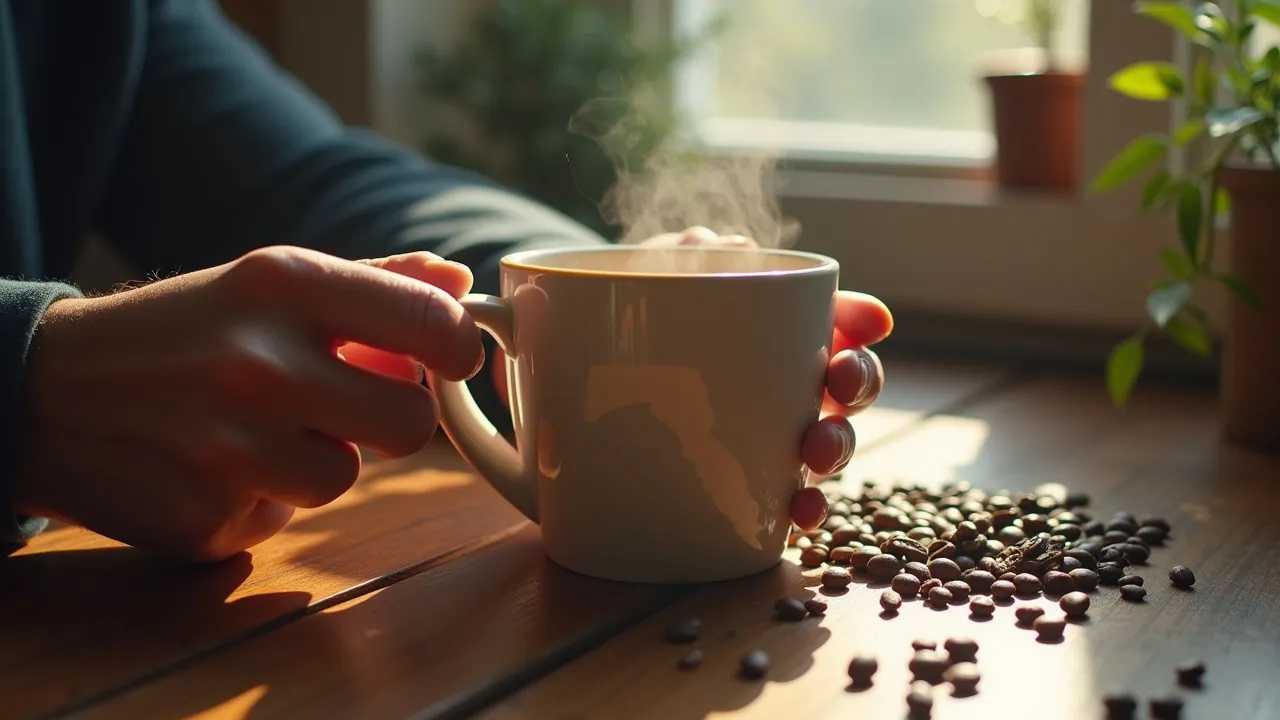
Celebrated on January 18th, National Gourmet Coffee Day honors the rich flavors and intricate artistry of specialty coffee. It's a day to savor unique blends, support local roasters, and deepen your appreciation for the world's finest brews.
The Historical Origins & Evolutionary Journey of National Gourmet Coffee Day
National Gourmet Coffee Day, observed annually on January 18th, is a celebration of the highest quality coffee produced from the finest beans. While the exact origins of this day are not formally documented, it emerged organically from the growing specialty coffee movement in the late 20th century. The day serves to educate consumers about the nuances of gourmet coffee, from single-origin beans to artisanal roasting techniques.
The Foundational Catalyst
The specialty coffee industry began gaining traction in the 1970s and 1980s, driven by companies like Starbucks and Peet's Coffee that emphasized quality and flavor over mass production. The term 'gourmet coffee' became synonymous with beans that scored 80 points or higher on the Specialty Coffee Association (SCA) 100-point scale. This shift from commodity coffee to premium product laid the groundwork for a dedicated observance.
The Legislative/Official Adoption
Unlike many national days, National Gourmet Coffee Day was not established by government proclamation. Instead, it was popularized by coffee enthusiasts, bloggers, and industry organizations seeking to highlight the craft behind the cup. The day gained momentum through social media and coffee shop promotions, eventually being recognized by calendars and food holidays websites.
Modern Global Legacy
Today, January 18th is marked by events such as cupping sessions, latte art competitions, and limited-edition releases from roasters worldwide. The observance has expanded beyond the United States to include coffee-loving nations like Italy, Japan, and Colombia. It serves as a reminder of the cultural and economic importance of coffee, supporting sustainable practices and direct trade relationships.
How to Celebrate National Gourmet Coffee Day
Celebrating National Gourmet Coffee Day is an opportunity to deepen your coffee knowledge and indulge in exceptional brews. Whether you are a casual drinker or a seasoned aficionado, there are countless ways to participate.
Individual Celebration Ideas
- Visit a Local Roastery: Take a tour of a nearby specialty roaster to learn about bean origins and roasting profiles.
- Host a Coffee Tasting: Gather friends for a cupping session, comparing different single-origin beans.
- Experiment with Brew Methods: Try a pour-over, French press, or Aeropress to unlock new flavors.
- Support Direct Trade: Purchase beans from brands that pay farmers fairly and promote sustainability.
Corporate and Social Rituals
- Office Coffee Break: Encourage workplaces to serve gourmet coffee and educate employees on bean sourcing.
- Social Media Campaigns: Share your coffee moment using hashtags like #NationalGourmetCoffeeDay.
- Charity Partnerships: Collaborate with coffee foundations to donate a portion of sales to coffee-growing communities.
Regional Traditions Around the World
In Italy, espresso is the cornerstone; celebrate by enjoying a perfectly pulled shot at a local bar. In Japan, pour-over coffee (drip brew) is revered, and many cafes offer single-origin options. In Ethiopia, the birthplace of coffee, ceremonies involve roasting beans over a charcoal stove and serving with popcorn. In the United States, cold brew and nitro coffee have become popular, with many cafes offering free samples on this day.
Global Impact of Gourmet Coffee Culture
The rise of gourmet coffee has transformed economies, environments, and cultures worldwide. The specialty coffee industry is now valued at over $83 billion, with a compound annual growth rate of 12% as of 2024.
Economic Empowerment
Gourmet coffee consumption has led to increased demand for high-quality Arabica beans, benefiting farmers in countries like Colombia, Ethiopia, and Kenya. Direct trade models ensure that producers receive a premium price, fostering economic stability. However, the industry also faces challenges such as climate change affecting growing regions.
Cultural Exchange
Coffee shops have become third places for social interaction, blending local traditions with global trends. In cities like Melbourne, London, and Seoul, the coffee culture drives urban vitality and innovation. The latte art movement has turned baristas into artists, with competitions showcasing intricate designs.
Environmental Considerations
As gourmet coffee often emphasizes sustainability, many roasters adopt eco-friendly practices: shade-grown beans, compostable packaging, and carbon-neutral shipping. Certification programs like Rainforest Alliance and Bird Friendly help consumers make responsible choices.
Health Benefits and Nutritional Insights of Gourmet Coffee
Beyond its rich flavor, gourmet coffee offers several health benefits when consumed in moderation. A typical 8-ounce cup of black coffee contains minimal calories but is packed with antioxidants.
Key Nutrients and Antioxidants
- Chlorogenic Acid: A polyphenol that may reduce inflammation and improve glucose metabolism.
- Caffeine: Enhances alertness, mood, and cognitive performance. Gourmet coffees often have higher caffeine content due to better bean quality.
- Vitamins and Minerals: Coffee provides small amounts of B vitamins, potassium, and magnesium.
Potential Health Impacts
Studies suggest moderate coffee consumption (2-4 cups/day) is associated with a lower risk of type 2 diabetes, Parkinson's disease, and certain cancers. Gourmet coffee, especially light roasts, retains more of these beneficial compounds. However, added sugars and creamers can negate benefits, so the healthiest way to enjoy gourmet coffee is black or with minimal additives.
Cautions
Individuals with anxiety, acid reflux, or caffeine sensitivity should limit intake. Pregnant women are advised to keep caffeine below 200 mg per day. Always consult a healthcare professional for personalized advice.
The Art and Science of Coffee Roasting
The roasting process is what turns green coffee beans into the aromatic, flavorful beans we know. Gourmet coffee roasting is both an art and a science, requiring precise control of time and temperature.
Roast Profiles and Flavor
Roasts are categorized by color and temperature: light (360-400°F) retains the bean's origin characteristics, often with fruity and floral notes; medium (410-430°F) balances acidity and body; dark (440-470°F) produces bold, smoky flavors with lower acidity. Gourmet roasters often offer single-origin beans roasted light to highlight terroir.
The Roasting Process
- Drying Phase: Beans lose moisture, turning from green to yellow.
- Maillard Reaction: At around 300°F, sugars and amino acids react, creating browning and flavor compounds.
- First Crack: Beans expand and emit a cracking sound, marking the light roast stage.
- Second Crack: Occurs for darker roasts, with oils migrating to the surface.
After roasting, beans must be degassed for 12-24 hours before brewing to release CO2. Freshness is crucial; gourmet coffee is best consumed within 2 weeks of roasting.
Sustainability and Ethical Sourcing in the Coffee Industry
The gourmet coffee industry is increasingly focused on sustainability, addressing environmental degradation and social inequities in coffee-producing regions. Ethical sourcing ensures that farmers are paid fairly and that ecosystems are preserved.
Key Certifications
- Fair Trade: Guarantees a minimum price and premium for community development.
- Rainforest Alliance: Promotes biodiversity and sustainable livelihoods.
- Organic: Prohibits synthetic pesticides and fertilizers.
- Direct Trade: Roasters work directly with producers, often paying above market price.
Challenges and Innovations
Climate change threatens coffee production, with rising temperatures reducing suitable growing areas. In response, farmers are cultivating resilient varieties and agroforestry systems. Consumers can support sustainability by choosing certified products, reducing waste (e.g., reusable cups), and composting spent grounds. Companies like Blue Bottle and Counter Culture have led initiatives in carbon-neutral roasting and transparent supply chains.
Historical Timeline
Coffee is discovered in Ethiopia, with legends of goat herder Kaldi noticing energized goats after eating coffee berries.
Coffee cultivation begins in Yemen, and Muslim pilgrims spread it throughout the Islamic world.
Coffee arrives in Europe, with the first coffeehouses opening in Venice, London, and Paris.
Luigi Bezzera invents the espresso machine in Milan, revolutionizing coffee brewing.
Alfred Peet opens Peet's Coffee in Berkeley, California, sparking the specialty coffee movement in the U.S.
Starbucks opens its first store in Seattle, popularizing gourmet coffee on a global scale.
The Specialty Coffee Association of America (SCAA) is founded, establishing standards for gourmet coffee.
National Gourmet Coffee Day begins as an informal celebration, promoted by coffee blogs and enthusiasts.
The COVID-19 pandemic drives a surge in home espresso machines and specialty coffee subscriptions, reinforcing the day's popularity.